Trump's 50% Tariff Threat Is War on Canada's Integrated Economy
Trump's escalation to 50% tariffs on autos and metals against Canada isn't just a trade spat — it targets the backbone of North American manufacturing. How Canada's asymmetric retaliatory weapons could fracture supply chains for years.
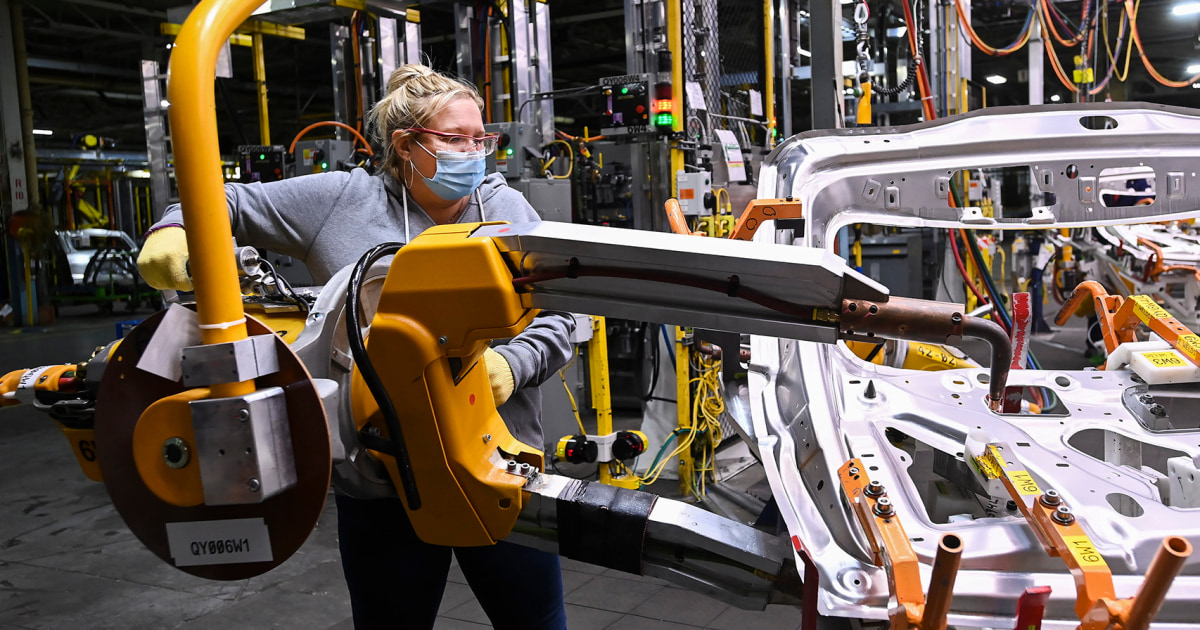
The Auto Supply Chain No One Saw Coming
A vehicle built in Ontario doesn’t just cross the border once. It crosses six, eight, sometimes more times — each checkpoint a tariff event waiting to happen. Trump’s Monday announcement threatening 50% tariffs on cars, trucks, parts, and steel starting January 1, 2027, isn’t a negotiating posture. It’s a declaration that the most deeply integrated manufacturing zone in North America will now carry a tax that could make it unworkable.
The math is brutal. Canada supplies roughly $380 billion in goods to the U.S. annually, making it the third-largest source of American imports. The auto sector alone depends on that flow crossing back and forth so routinely that border delays alone inflate costs. A 50% tariff doesn’t just raise prices — it rewrites the economics of where production happens, and in this case, it writes out Canada from the equation.
What Trump may not realize is that the auto industry’s integration wasn’t accidental. It was the direct result of three decades of trade liberalization, beginning with NAFTA and continued under USMCA. The fact that he now threatens to dismantle it with a social media post suggests either a fundamental misunderstanding of what he’s dismantling or a willingness to accept massive disruption in pursuit of leverage. Either way, the leverage cuts both ways.
Canada’s Asymmetric Weapons
Mark Carney’s government has spent the weekend preparing retaliation measures designed to outlast Trump’s term, Bloomberg reported Sunday. That’s a long-game strategy. But the short-term options are already on display.
Ontario Premier Doug Ford didn’t mince words: Canada could cut off electricity flows to the U.S. and restrict exports of critical minerals. The phrase “you won’t get a grain of sand out of Ontario” was political theater, but the substance is real. Ontario generates significant hydroelectric power exported to the American Midwest and Northeast. Critical minerals from Canadian sources feed directly into EV battery supply chains, defense manufacturing, and semiconductors. These aren’t leverage points you threaten lightly because they aren’t leverage points you can reverse quickly — once a supply chain reroutes away from Canada, it doesn’t route back.
This is the asymmetry that makes this dispute different from typical trade friction. The U.S. can impose tariffs on a broad swath of Canadian goods. Canada can target specific nodes in American infrastructure and industry. Ford’s comment about electricity wasn’t hyperbole — it was a reminder that geographic proximity cuts both ways.
The USMCA Death Spiral
The United States-Mexico-Canada Agreement was supposed to be Trump’s trade legacy — the replacement for NAFTA he signed during his first term. On July 1, his administration announced it would not renew the agreement in its current form, plunging it into a cycle of annual reviews and negotiations that no trading partner would accept as stable. This tariff escalation against Canada is the latest blow to an already wounded framework.
The auto section of USMCA required 75% of vehicle components to be manufactured in North America at prevailing wages for tariff-free treatment. Trump’s proposed 50% tariff on autos and parts would effectively nullify that provision for Canadian-sourced vehicles that don’t meet the requirement — and potentially extend it to those that do, depending on whether exemptions apply. If the exemption doesn’t cover USMCA-compliant vehicles, the agreement ceases to mean anything for the sector that depended on it most.
The deal was supposed to lock in North American manufacturing. The tariff threat is trying to unlock it.
What This Means Beyond the Border
Trade wars rarely stay contained. Japan and the European Union watched Saturday’s 50% duties on Canadian goods with growing alarm. If the U.S. can impose sweeping tariffs on a closest ally without warning, no trading partner is immune. The signal to global manufacturers is equally clear: compliance with trade agreements offers no protection against executive action.
For automakers, the message is immediate and costly. Ford, GM, and Stellantis all operate plants along the Detroit-Windsor corridor and across the Great Lakes region. Their cost structures assumed tariff-free movement of parts. A 50% duty starting in January 2027 gives them roughly twelve months to restructure supply chains that took thirty years to build — or absorb the cost and raise prices for American consumers.
Steel is already taxed at 50% under existing provisions. If Trump’s announcement means that rate doubles to 100%, the effect on construction, infrastructure, and appliance manufacturing will be immediate. Canadian steel isn’t the only source, but it’s the closest and cheapest for many Midwestern and Northeastern users. Distant suppliers cost more to ship. That cost gets passed through.
Who Wins, Who Loses
The winners in this scenario are few and far between. Domestic steel producers gain protection from Canadian competition, but their capacity is limited and their pricing power will face scrutiny. Some reshoring advocates will call this a victory for American manufacturing, though reshoring auto parts production is not a twelve-month proposition.
The losers are far more numerous. Canadian exporters lose access to their largest market. American automakers lose a critical supply node. American consumers face higher prices on vehicles, steel products, and building materials. American electricity-dependent industries in the Midwest lose a reliable cross-border power source if Ford follows through.
The Canadian government is positioning itself as the restrained party — waiting for U.S. implementation before responding, framing retaliation as defensive. That framing matters internationally. It positions Carney as a leader managing an economic attack from an unpredictable partner, which could strengthen Canada’s negotiating position with other trading partners even as it damages the relationship with the U.S.
What Happens Next
January 1, 2027, is the next deadline. Between now and then, markets will price in the tariff risk, automakers will begin contingency planning, and Canadian officials will finalize retaliation measures designed to maximize political pain while minimizing economic self-harm. The Trump administration’s Trade Representative Jamieson Greer tried to minimize the impact of Saturday’s tariffs, calling them narrowly targeted. But the scope of goods hit and the speed of Carney’s response suggest otherwise.
The deeper question is whether this escalation is reversible. Trade wars have a memory longer than election cycles. Canadian manufacturers will diversify. American buyers of Canadian steel and auto parts will seek alternatives. The supply chain fragmentation that begins with a 50% tariff on a neighbor will echo through industries that depend on cross-border integration — and those echoes won’t fade when the political moment passes.