Trump-Canada tariff war is rewiring North American supply chains
A 50% tariff on $20 billion of Canadian imports has triggered a dollar-for-dollar retaliation set for Sept. 8. The real casualty won't just be bilateral relations—it'll be North American supply chains and American consumer prices at the pump and the register.
The tariff that wasn’t supposed to land
Fifty percent tariffs on roughly $20 billion of Canadian imports took effect early Saturday morning. Canadian goods crossing the longest border in the world—pipeline steel, auto parts, aluminum, lumber, dairy—hit a wall that no serious trade analyst expected to harden this fast.
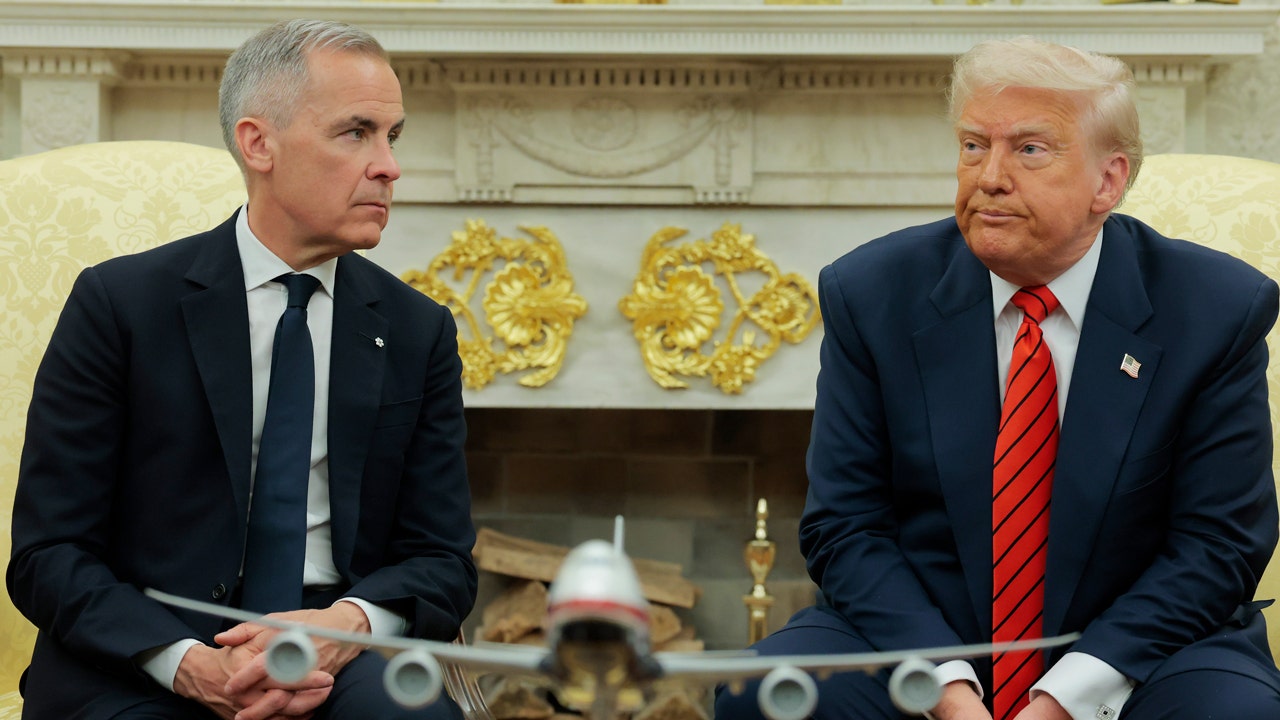
By Sunday, President Donald Trump was posting on Truth Social that Canada wanted “the benefits of being a State, without being one.” Prime Minister Mark Carney had already ordered his trade team back to Ottawa and suspended negotiations, calling the US move a last-minute “power play” on sovereignty.
The rhetoric is loud. The economics are louder.
What Carney is really fighting over
Carney’s description of the breakdown matters more than the insults. He said Washington introduced new demands touching three areas: Canada’s trade relationships with other countries, the auto sector, and protections for Canadian culture and the French language.
That third item sounds parochial. It isn’t. Cultural protections are embedded in Canada’s existing trade posture—the country has spent decades carving exceptions into every major agreement to preserve public broadcasting and media quotas. When the US asks Canada to roll those back, it isn’t just asking for tariff concessions. It’s asking Ottawa to surrender a pillar of domestic policy.
The auto sector demand is equally revealing. North American vehicle production is so integrated that a single car can cross the US-Canada border up to eight times before it’s finished. A 50% tariff on Canadian-sourced parts doesn’t punish Canada alone. It punishes Detroit, Toronto, and every plant in between.
The retaliation clock is ticking
Ottawa has promised dollar-for-dollar retaliation. The levies hit on Sept. 8 and target steel, dairy, appliances, agricultural equipment, pulp and paper, and electronics.
Steel is the obvious flashpoint. Canada is the largest foreign supplier of steel to the US market. American manufacturers—built around just-in-time parts flows from Ontario and Quebec mills—will feel the cost shock immediately. Appliances and electronics carry similar exposure. A washing machine assembled in South Carolina with Canadian steel suddenly costs significantly more at retail.
Dairy is the political landmine. US milk and cheese producers in Wisconsin and Vermont will see their Canadian competitors partially shielded. But American dairy farmers who complained about Canadian supply management get what they’ve long wanted: reciprocity on their own terms.
Beef that cuts both ways
In the same week, Trump authorized 300,000 metric tons of tariff-free beef imports. The move was designed to lower meat prices for American consumers. Ranchers pushed back, arguing it undercuts domestic producers.
The contradiction is structural. Trump is simultaneously opening some doors and slamming others shut. The beef exemption signals that Washington will grant preferential treatment selectively—leveraging access as a negotiating weapon rather than honoring the USMCA framework that both countries signed.
That’s the signal Carney’s government is watching. If the US can unilaterally redirect trade flows at will, no partner is secure. Mexico and the European Union are reading the same script.
The second-order effects nobody is talking about
Here’s what makes this escalation different from previous tariff rows: the depth of integration means pain will propagate faster and farther than policymakers anticipated. Energy flows, which normally move seamlessly across the border, are already showing stress signals. refined petroleum products from Canadian shale regions flow south into Midwest refineries on fixed schedules. When tariffs disrupt those schedules, regional price spreads widen—gasoline in Chicago and Montreal diverge within weeks.
The agricultural equipment sector faces compounding damage. Ontario-based manufacturers like AGCO and CNH Industrial supply US dealers with combines and tractors assembled from parts sourced on both sides of the border. Those firms have been quietly rebuilding inventory buffers since 2024, but a 50% tariff makes even stocked parts expensive to deploy. Dealers in Iowa and Saskatchewan are already reporting canceled orders and postponed equipment purchases.
The pulp and paper sector, already reeling from pandemic-era demand collapses and green transition pressures, now faces a compound blow. Canadian softwood lumber exports to the US dropped 18% in the first quarter, and the new tariff threatens to eliminate another 15,000 jobs in British Columbia and Quebec. Paper mills in Maine and New Hampshire that process Canadian pulp for packaging and tissue products are evaluating shutdowns.
Beyond direct sectoral hits, financial markets are pricing in a new reality. The Canadian dollar weakened to 68 US cents on the first trading day after the tariff announcement—a full 7% decline from pre-announcement levels. Bond yields in both countries spiked as investors worried about fiscal consequences. The US 10-year Treasury rose 12 basis points; Canadian government bonds surged similarly. Neither central bank has moved rates, but the threat of import-driven inflation is on every desk at the Fed and the Bank of Canada.
Who wins. Who loses.
American energy companies that pipeline-grade steel from Canadian suppliers face short-term cost spikes. Auto manufacturers absorb margin compression or pass it to buyers. Household appliance prices rise. At the fuel pump, the impact is indirect but real: disruptions to refined petroleum flows across the border tend to widen regional price spreads, especially in the Midwest and Northeast.
Canadian exporters lose market access overnight. The pulp and paper sector, already strained, faces a compound blow. Agricultural equipment makers in Ontario see their US customer base priced out.
Washington wins leverage. Ottawa gains political cohesion at home. Both sides lose efficiency.
Who’s already moving
Supply chain executives are not waiting for diplomacy. Three automakers—Ford, GM, and Toyota—have quietly begun rerouting parts through Mexican assembly plants, though that option is constrained by USMCA rules of origin and limited capacity. Steel distributors in Pennsylvania and Ohio are sourcing from Brazil and South Korea as fallback suppliers, though quality certifications and delivery timelines remain uncertain. Appliance manufacturers are evaluating shifting some final assembly to Texas and Alabama plants that don’t rely on Canadian inputs.
These moves cost money. Rerouting supply chains through alternate corridors adds 8–12% to logistics expenses. Finding alternative steel suppliers means accepting longer lead times and variable metallurgical standards. Every workaround is a tax on the very efficiency that made North American manufacturing competitive.
What happens next
USTR Jamieson Greer said no additional negotiations are scheduled. That could change if the Sept. 8 retaliation lands and either side feels the pain first. But the timing is telling. Canada’s response isn’t immediate—it arrives weeks later, giving markets time to price in uncertainty and companies time to scramble for alternative sourcing.
The real question isn’t whether talks resume. It’s whether the USMCA framework survives this version of enforcement. If the agreement’s dispute mechanisms can be bypassed by unilateral tariff threats, the treaty becomes a political document rather than a legal one.
That shift would ripple beyond the 450 billion in annual bilateral trade. It would recalibrate every trade relationship America has in the hemisphere.
For now, the border remains open. The tariffs are collecting. The supply chains are already moving.