Trump's Iran Exit Ramp Reshapes Alliance Math
Trump declared the US-Iran war "militarily over" days after midterm losses — but kept the blockade running. Here's what Seoul, Tokyo, and Riyadh hear when Washington steps back from escalation.
The Announcement That Wasn’t
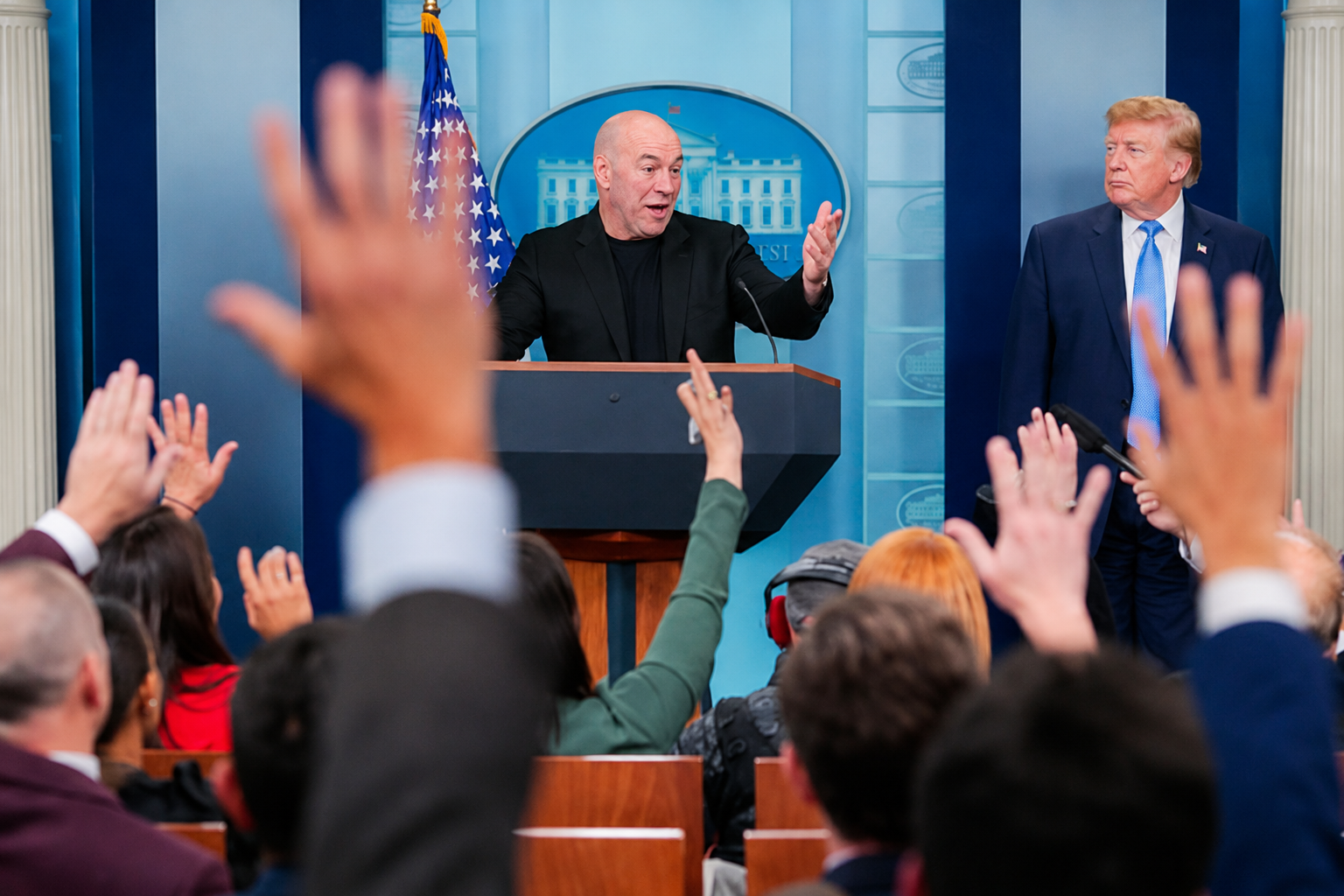
Donald Trump told reporters on November 9 that the Iran war was “militarily effectively over.” He described positive momentum toward a settlement and said further military action looked unnecessary. An hour later, he confirmed the Iron Gate naval blockade would continue.
This is not a contradiction. It is a playbook.
Trump has drawn a line under the kinetic phase while preserving every tool of economic coercion. The framing accomplishes two things at once: it lets him tell his base the mission is done, and it keeps pressure on Tehran without inviting the backlash that comes with renewed strikes. Both objectives matter. Neither should be mistaken for peace.
The timing explains itself. Midterm elections fell three days earlier. Polling showed roughly 60 percent of voters calling the Iran intervention a wrong call. Gas prices had climbed steadily through the campaigning season. Trump himself acknowledged that the fuel-cost surge hurt his party. Announcing victory now converts a political liability into a campaign asset before opponents can sharpen their questioning.
Washington analysts will call this smart politics. Seoul and Tokyo should watch what it means for the security architecture underneath.
What the Blockade Actually Does
Operation Iron Gate blocks maritime traffic and intercepts land-based weapon shipments bound for Iran. It does not bomb cities. It does not occupy territory. But it strangles a corridor — the Strait of Hormuz — through which an estimated 20 million barrels of oil per day once flowed before the war disrupted shipping routes.
Oil markets already absorbed much of the good-news narrative. Brent crude dropped to $92.57 a barrel on November 9, WTI fell to $86.85, both hitting their lowest levels in over two months. The drop is meaningful but incomplete. A full resolution would require the blockade itself to lift. Until then, any flare-up in the strait sends prices upward with frightening speed.
For Japan, whose liquefied natural gas imports transit those same waters, the message is unambiguous: Washington can declare missions accomplished without changing the physical risk profile around energy shipping lanes. Tokyo has responded by accelerating its own naval presence in the Gulf and deepening coordination with Saudi Arabia and the UAE on port security. The United States remains the ultimate guarantor, but Japan is quietly building insurance policies.
South Korea is moving in the same direction, though at a slower pace. Seoul depends on Iranian crude for only a fraction of its energy mix, but its semiconductor supply chain runs through chokepoints vulnerable to the same disruption. Hynix and Samsung logistics planners track Hormuz traffic as closely as military attachés do.
The Impeachment Front
Trump’s calculus also accounts for domestic pressure from within his own party. Republican Representative Thomas Massie filed articles of impeachment against Defense Secretary Pete Hegseth on November 9, charging that the war proceeded without congressional authorization and that Hegseth issued unlawful orders. The move carries little chance of passage in the current Congress. But with Democrats expected to take control of the House in January, the filings plant a flag for investigations and hearings that could dominate the 2027 agenda.
Hegseth dismissed the effort as theatrical. He noted correctly that no secretary of defense in 250 years has been impeached for conducting a lawful military operation. The legal distinction may save him, but it does not erase the political reality: an unpopular war is a live wire, and every member of Trump’s coalition feels the current.
Vice President J.D. Vance did not mince words after the midterms. On social media he wrote that the reason for the electoral loss was the war, and questioned whether holding the Senate for another six years justified the cost. That language from the number two position carries weight far beyond rhetoric.
Tehran Reads the Signals Differently
Iran’s Supreme National Security Council secretary, Mosen Rezaei, pushed back hard on Trump’s declaration. He called the United States a desperate gambler flailing about and accused Washington of manufacturing false narratives around nonexistent negotiations. Iran’s seven-condition framework — lifting the blockade, ending sanctions, returning frozen assets, paying war reparations — remains unchanged.
The gap between Trump’s milestone and Iran’s demands is enormous. No bridge exists yet. Qatar’s foreign minister met separately with Trump and Vance in Washington on November 9, continuing mediation efforts that stalled weeks ago. Reports suggest a possible trade: American blockade relief in exchange for Iranian acceptance of International Atomic Energy Agency inspections. Marco Rubio called that scenario unrealistic on November 8.
Neither side is close enough to the center to make concessions publicly. That means the stalemate continues, just dressed in different clothing.
Who Wins and Who Loses
Trump wins politically in the short term. He has converted an unwinnable war narrative into a claim of victory without firing a new shot. His base hears what it wants to hear. The oil price drop provides tangible relief heading into winter.
Iran loses nothing materially and gains propaganda. Its leadership can tell citizens they weathered American aggression and forced a superpower to announce its own limitations. Rezaei’s language — that Trump suffered a strategic defeat on the battlefield and a political one in Washington — is exactly the frame Tehran needs for domestic consumption.
Allies win conditionally. The blockade persists, which means deterrence holds. But the explicit signal that Washington prefers coercion over combat changes how partners plan. Japan and South Korea will invest more in independent capacity. Gulf states will diversify security partnerships beyond the United States. The alliance system tightens around shared interests rather than shared assumptions about American willingness to fight.
What Comes Next
Several trajectories deserve watching.
First, whether the impeachment probe materializes in the next Congress could reshape defense policy debates for years. Even a hearing sequence forces public scrutiny of executive war powers that Trump’s predecessors enjoyed relatively unchecked.
Second, oil price movements will remain volatile until the blockade status becomes clear. Any Iranian strike on commercial shipping revives premium pricing instantly. Winter demand adds seasonal pressure.
Third, the Qatari-mediated track may produce quiet understandings that never make headlines. Back-channel deals on inspection regimes and incremental sanction relief often precede public announcements by months.
Fourth, and most important for readers outside Washington, the announcement that a war is “militarily over” while coercive tools remain active represents a new template for American military engagement. It rewards political signaling over territorial gain, preserves leverage without committing troops, and shifts burden-sharing onto partner nations. Other adversaries will study this model. Allies will adjust to it.
Trump’s declaration closes one chapter. It does not close the conflict.