Trump's Russia Sanctions Bill Is Really About Trade War Power
The bipartisan Graham Act wraps tough Russia sanctions around sweeping tariff authority, letting Trump tax allies buying Russian energy up to 100%. India is already feeling the heat.
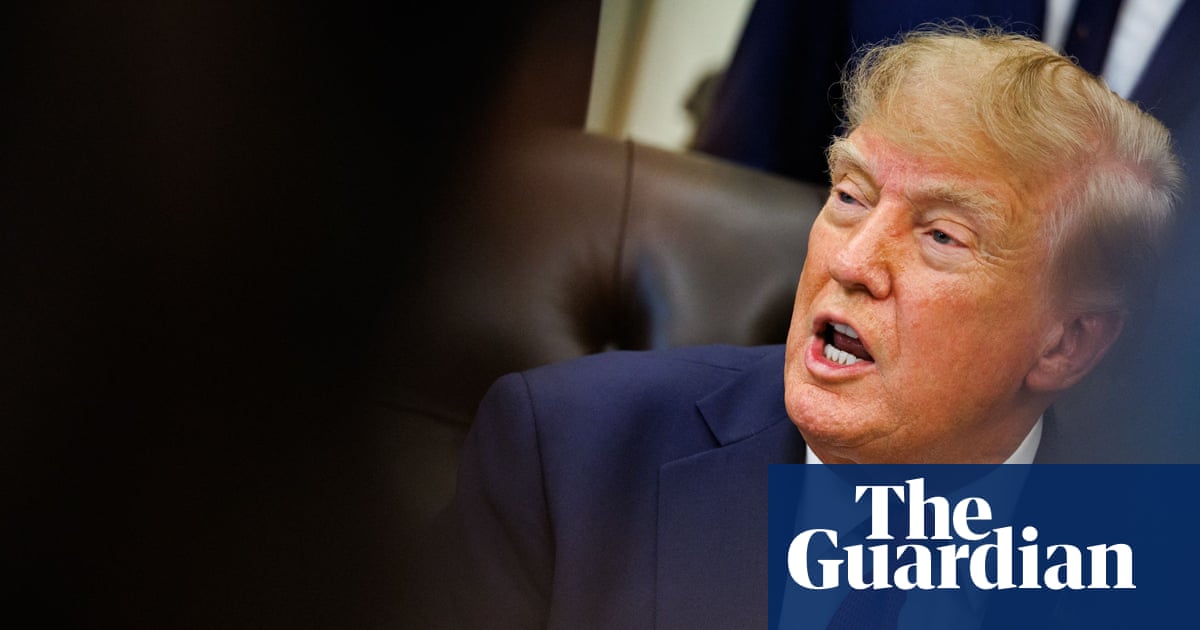
The law was sold as a Ukraine weapon. The real prize is tariff authority.
Donald Trump signed the Lindsey O Graham Sanctioning Russia and Iran Act on Friday, wrapping tough new measures against Moscow’s war economy inside a package that grants the president near-unilateral power to tax any country doing business with Russian energy. The House approved it 262-159, bridging party lines that normally fracture on anything touching trade. What emerged is less a pure foreign policy tool than a structural rewrite of Washington’s leverage over both adversaries and allies.
The sanctions architecture is substantive. It targets Russia’s oil and natural gas revenues, the shadow tanker fleet that has quietly extended the reach of Moscow’s energy exports past existing restrictions, and the foreign networks that facilitate evasion. Named after the Republican senator who died in July, the bill carries the kind of bipartisan weight that makes it politically difficult to unwind. That much is the cover story.
The operating story lives in the implementation provisions. The law gives Trump wide discretion to decide which countries face tariffs, what rates apply, and whether sanctions can be waived for specific partners. Crucially, it authorizes tariffs of up to 100 percent on buyers of Russian energy. China is the obvious target. India is already in the crosshairs, with the administration signaling a 100 percent rate.
That second-tier consequence is where the real geopolitical shock value sits. The United States has long maintained a strained equilibrium with New Delhi, allowing India to continue purchasing discounted Russian oil while deepening defense and technology cooperation. A 100 percent tariff on Indian imports would not merely punish energy trade; it would upend a cornerstone of the Indo-Pacific strategy that several US administrations have worked to build. That is the move outsiders tend to miss in the headlines.
Who wins, who loses, and who gets squeezed
The winners are clear enough on paper. Hardliners in both parties get a legislative statement that links sanctions enforcement to teeth in the tariff code. Russia faces tighter pressure on the financial and shipping infrastructure that has allowed its energy revenues to keep flowing despite years of restrictions. The shadow fleet, which has grown into a critical component of Moscow’s sanctions evasion strategy, is now explicitly targeted. If enforced rigorously, that alone could raise the cost of moving Russian crude and subtly constrain volume over time.
The losers are harder to rank but wider in reach. European governments that have struggled to phase out Russian gas will find their diplomatic position more constrained when the primary enforcer across the Atlantic can unilaterally escalate trade penalties against any buyer. Middle-income economies dependent on discounted Russian energy — from India to parts of Southeast Asia and Central Asia — face a binary choice: reroute purchases or absorb tariff shocks that will ripple through their currencies and inflation rates.
China occupies a separate category. The 100 percent tariff threat is partly a negotiating tool and partly a signal. Beijing knows it is the largest importer of Russian energy outside the sanctioned bloc. The law gives Trump a legal pathway to escalate without resorting to emergency powers that a federal judge blocked last year under the International Emergency Economic Powers Act. In other words, this bill patches the loophole the Supreme Court exposed.
Businesses on all sides lose most of all. Global supply chains for energy, refined products, and industrial commodities already run on thin margins and complex routing. Adding discretionary tariff authority over energy purchasers creates uncertainty that markets hate. Shipping insurers, commodity traders, and multinational manufacturers will spend months parsing which transactions trigger penalties and which waivers might still apply. That uncertainty is itself a lever — and one that benefits the party holding it.
The domestic politics are as important as the foreign policy
The bipartisan margin in the House tells you something about the current shape of American politics. Graham’s death cleared the floor for a vote that might otherwise have stalled in committee. Democrats who complained about the tariff provisions still crossed the aisle, suggesting that sanctions on Russia remain one of the few remaining areas of consensus. But the criticism was not cosmetic. Several Democrats flagged the concentration of authority in the executive branch, noting that the president already imposed tariffs multiple times despite a Supreme Court ruling blocking him from relying on IEEPA for that purpose.
That legal tension matters beyond the courtroom. It means the Graham Act is partly a workaround. Rather than arguing about whether emergency powers can justify tariffs, the legislation creates a new statutory basis that folds tariff authority into the sanctions regime. Future courts will likely test the scope of that authority, but the political cover is thick enough that litigation becomes a long game.
Trump’s transformation on Russia sanctions is worth noting too. The administration was previously doubtful about adding more pressure on Moscow. The shift came after repeated diplomatic efforts to end the war stalled, pushing Washington toward economic coercion as the default tool. That change in posture is real, but it is also convenient. Tough sanctions sell well domestically. Tougher tariff authority on allies sells better to the base.
What happens next
The immediate question is enforcement. Tariff designations do not happen automatically. Trump will need to identify which countries and transactions qualify, issue implementing guidance, and manage the diplomatic fallout when allies protest. The waiver authority built into the bill will become a bargaining chip. Countries that want relief will negotiate directly with the White House, giving the United States leverage that goes well beyond energy policy.
On the Russia side, the shadow fleet provisions could reshape insurance and shipping markets if interpreted strictly. Tanker operators and traders have built entire business models around operating in the gray zone between sanctions and necessity. Closing that gap raises costs for everyone, including buyers who are not trying to evade anything but happen to transact in a disrupted market.
India will be the canary. If the 100 percent tariff threat is carried out, it will test whether the Indo-Pacific partnership survives a direct economic confrontation. If it is paused or softened through negotiation, it will demonstrate how much of the bill’s power relies on discretion rather than mandatory action. Both outcomes are plausible. The difference between them will define US-India relations for years.
The broader implication is that Washington has effectively merged its sanctions regime with its trade policy apparatus. Russia sanctions are no longer a separate track with their own rules. They are now a gateway through which the United States can discipline any country whose economic behavior it disapproves of. That framework will outlast this war. It will apply to Iran, it will apply to Venezuela, and it will apply to anyone else who trades with a sanctioned economy. The Graham Act is not just about Ukraine. It is about who sets the rules of the next global trading order.