Trump's Venezuela Oil Deal Changes Everything
The US has secured majority control of 65 billion barrels of Venezuelan oil — a move that doubles America's proven reserves and fractures Latin American unity. Here's what no one is saying yet.
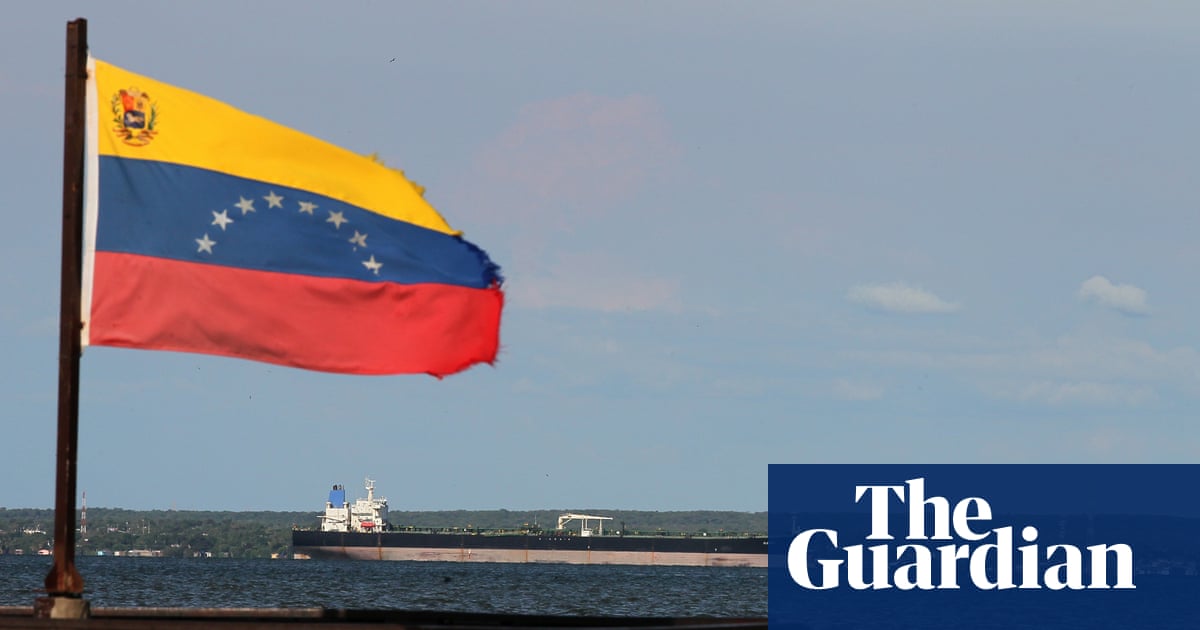
The Deal
Donald Trump announced Friday morning that the United States has secured majority control of 65 billion barrels of proven oil reserves in Venezuela. No taxpayer money was spent. The deal was brokered by Secretary of State Marco Rubio and Defense Secretary Pete Hegseth through partnerships with private business. Trump called it a “huge win for both the American and Venezuelan people.” Rubio echoed him on his social media platform.
What no one in Washington said — or will say — is what this means for the rest of the world.
The Math
Venezuela holds 303 billion barrels of proven reserves. That is the largest in the world. The US, by contrast, has never had anything close to 65 billion barrels of controlled reserves outside its own borders. Trump claims the deal will “more than double” American oil reserves. If he means proven reserves on paper, that claim checks out. If he means barrels flowing into US refineries, the math is far less certain.
Venezuela currently produces 1.25 million barrels per day of crude. The infrastructure to produce more exists only in theory. Much of the country’s oil fields are deteriorating. The Orinoco Belt, where the heavy crude lives, has been a nightmare of maintenance and sanctions for over a decade. Getting even half of that 65 billion barrel reserve online would require tens of billions in investment, new technology, and time.
And there is the question of when. Chevron and other US energy companies are expected to sign investment deals next week. That is not immediate supply. That is not immediate relief at the pump.
The Midterms
Trump is under pressure before November’s midterm elections. Gasoline prices are rising. The deal is being sold as a domestic victory. But the timing is not accidental. An energy announcement of this scale in late summer is political theater wrapped in policy. The real question is whether voters can tell the difference between promises and pumps.
The Regional Reckoning
The reaction from Venezuela’s own opposition tells you what Washington is risking. A well-known opposition figure, speaking anonymously because criticizing the US is still dangerous in Caracas, called the deal “a land grab — a massive land grab.” He added: “This is not the United States one would have expected. This is not the United States of the Marshall Plan. This is a rapacious, mafioso United States.”
That language comes from someone who wanted US support to remove Nicolás Maduro. In January, Washington did exactly that — capturing and removing Maduro from power. But instead of a democratic transition backed by American generosity, Venezuela is now negotiating a resource deal that looks like extraction dressed up as partnership.
Latin America does not need another lesson in how American power works. The region already remembers the Monroe Doctrine, the CIA interventions, the sanctions regimes. This deal will not be seen as a victory for democracy. It will be seen as proof that the US wants Venezuelan oil, not Venezuelan freedom.
The OPEC+ Problem
OPEC+ is already fragile. The cartel has struggled to maintain production cuts while internal members cheat and external producers fill the gap. Saudi Arabia needs prices above $80 a barrel to fund its giga-projects. Russia needs them higher. Iran and Venezuela produce outside the official quota system anyway.
A US-controlled Venezuelan supply channel undermines the entire architecture. If America can access Venezuelan oil without asking OPEC’s permission, the cartel’s pricing power weakens. Riyadh and Moscow will notice. They may respond by cutting deeper — or by accelerating their own production plans to flood the market before American barrels arrive.
The strategic petroleum reserve is another wrinkle. Trump’s administration has been exploring crude swaps with US producers to replenish the stockpile. Venezuelan oil, secured at no direct cost, changes that calculus entirely. The US could swap cheap Venezuelan barrels into the SPR while selling domestic crude on the open market at higher prices. That is not a strategy anyone is discussing publicly.
Who Wins, Who Loses
Chevron wins. The company is positioned to sign billions in investment deals next week and lock in access to some of the cheapest oil on Earth. US consumers may win something — if prices drop, if the SPR gets topped up, if the narrative holds through November.
Venezuela’s people lose. Their country’s greatest natural resource is being parceled out to foreign corporations while their interim government has no veto that matters. Maduro is gone. The new leadership is negotiating from weakness. The reserves are theirs on paper. The control is not.
OPEC+ loses. The cartel’s relevance depends on controlling supply. If the US can bypass it, the organization becomes a price club with no enforcement mechanism. Russia and Saudi Arabia will not accept that quietly.
What Comes Next
No details about the structure of the agreement have been released. No fields have been named. No companies other than Chevron have been mentioned. The White House has offered nothing beyond Trump’s social media posts and Rubio’s copy-paste response.
That absence of detail is the most dangerous part. In energy deals, the devil is not in the terms. The devil is in the ambiguity. Without transparency, there is no way to know whether this is a strategic reserve play, a commercial arrangement, or a political prop designed to look like strength before an election.
The world is watching. Not just OPEC+. Not just Latin America. China and India, the two countries that kept buying Venezuelan oil when the rest of the world sanctioned it, are already asking questions. So is Europe. The deal was not negotiated with them. It was not negotiated with the Venezuelan opposition. It was negotiated in Washington, with private partners, and announced through a president’s phone.
That is how resource deals worked in the 20th century. That is not how they should work in the 21st. The irony is that the US spent years positioning itself as the alternative to Russian and Iranian energy predation. Now it is doing the same thing, just with better marketing.