The U.S. Wants Settler Attackers Prosecuted. Israel May Refuse
Ambassador Mike Huckabee's demand for arrest and prosecution of settlers who beat an American journalist in the West Bank marks a rare public escalation. What happens next will define the limits of U.S. leverage over Israel's settler enforcement gap.
A Demand That Changes the Script
Mike Huckabee did not mince words on Saturday. The U.S. ambassador to Israel called the attack on Washington Post photojournalist Heidi Levine a despicable act of terror carried out by masked cowards, and he said those responsible should spend years in prison. He used the language of criminal law — arrest, prosecution, full investigation — not the language of diplomatic grievance.
That distinction matters. For years, U.S. responses to settler violence in the West Bank have been measured, often vague, and usually followed by a period of quiet diplomacy. What Huckabee issued was a public demand for Israeli judicial action against Israeli citizens, targeting a category of violence that has consistently evaded accountability. Framing the incident as a prosecutable offense rather than a political flashpoint reconfigures the stakes.
What We Know So Far
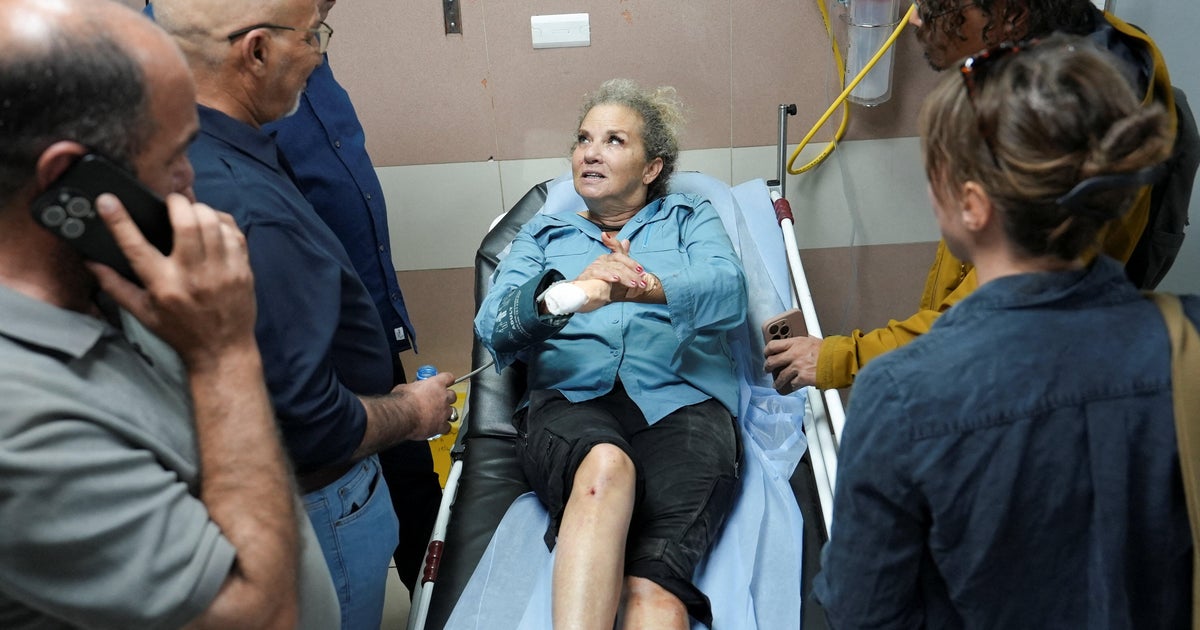
Video obtained by CBS News shows approximately 20 masked men in black or gray descending from a settlement outpost toward an olive grove near the Palestinian village of Abu Falah. The footage, corroborated by the Foreign Press Association, shows Levine surrounded, pushed to the ground, and beaten. The Washington Post confirmed she was kicked repeatedly while wearing a protective vest clearly marked PRESS and a helmet. Her cameras, phone, and passport were taken.
Levine, a photojournalist who has covered conflict zones for more than four decades, remains hospitalized in Tel Aviv. She underwent hand surgery and is recovering from broken ribs. Several Palestinians were also injured in the same attack during the autumn olive harvest.
Israeli police and military opened investigations immediately. Prime Minister Benjamin Netanyahu condemned violence against anyone but deliberately referred to the incident as alleged, noting the circumstances remain unclear — a formulation that raised eyebrows given the available video evidence and Levine’s documented press credentials.
The Accountability Gap
The central problem this incident exposes is structural. Israeli human rights organizations have documented for years that the vast majority of settler violence cases end without conviction. Palestinians are far more likely to face criminal proceedings than Israeli settlers, even in cases where the evidence is clear. The Israeli justice system has demonstrated repeated difficulty prosecuting settlers for attacks on Palestinians; the bar for prosecuting attacks on foreigners may prove no lower, but it is at least tested by a different set of political pressures.
Huckabee’s statement forces Israel into a position it has managed to avoid: a public demand from the United States demanding specific legal outcomes in a case involving Israeli citizens on occupied territory. Previous U.S. objections to settler violence were typically private or couched in general terms about rule of law. This was neither.
Who Wins and Who Loses
Levine wins nothing, of course. She is recovering from injuries sustained while documenting one of the most economically vital seasons for West Bank Palestinians. The olive harvest is not a backdrop for conflict — it is livelihood. The attack came at a moment when international attention to the West Bank is already high, and it was designed to deter both Palestinian economic activity and foreign documentation of it.
Huckabee wins a clear moral frame. By calling the attack terrorist in nature and insisting on prosecution, he has elevated a case that Israel might otherwise process through its standard investigative mechanisms — slow, opaque, and statistically favorable to the accused. The U.S. has now put its name on a demand for accountability.
Netanyahu loses flexibility. His careful use of the word alleged, paired with a condemnation of violence against anyone without specificity, reads as an attempt to contain diplomatic damage without committing to a prosecutorial posture. That approach is no longer sufficient. The United States has drawn a line in public, and Israel will now be measured against it.
What Happens Next
The Israeli investigation will proceed through normal channels. The question is whether normal channels produce results fast enough to satisfy Washington. If arrests are made within weeks and indictments follow, Huckabee’s demand achieves its immediate purpose and the incident becomes a signal case. If months pass with no charges, the diplomatic cost to Israel increases significantly — not just from the United States but from European capitals that have grown increasingly vocal about settler violence.
There is also a second-order consequence. Huckabee’s language about terrorists and cowards mirrors rhetoric that Israeli officials themselves use when describing settler violence, yet the Israeli government has rarely acted on that framing. The contradiction between official rhetoric and judicial outcomes is now on public record, with the United States as the messenger.
Levine’s case may also reshape how American journalists cover the West Bank. A reporter of her seniority, wearing press identification, attacked and robbed in territory where U.S. diplomatic pressure is explicitly calling for prosecution, represents a moment that will be cited in newsroom risk assessments for years. The incident will be referenced in debates about editorial decisions on deployment — a consequence that extends well beyond diplomacy.
The Bigger Picture
This is not simply about one journalist or one attack. It is about whether the United States will treat settler violence as a legal problem requiring enforcement or a political problem requiring management. Huckabee has chosen the former. Whether Israel chooses the same, or retreats to the latter, will determine what this moment means.
The olive harvest will continue. Palestinians will return to the trees. But the legal and diplomatic questions raised by this attack will linger far longer than the season.