Why the US-Canada Tariff Collapse Threatens More Than Trade
Trump's 50% tariffs on Canada after a midnight deal collapse expose the fragility of North American supply chains. Here's who bleeds first—and why this could reshape how America treats its closest allies.
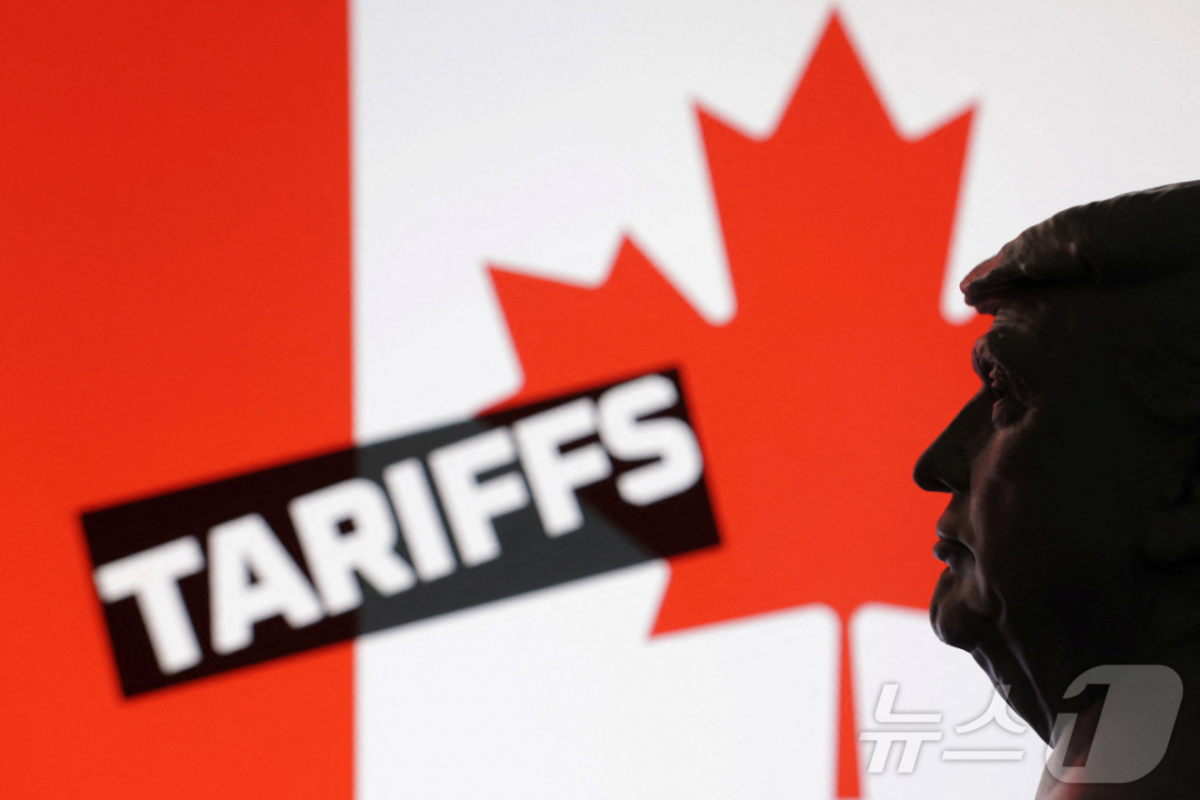
The Deal Broke at Midnight
The US-Canada trade talks didn’t fail in a boardroom. They failed in the final hours before tariffs were set to take effect, with both sides screaming over who crossed the line first.
On August 21, US Trade Representative Jamieson Greer told reporters that Canada had refused to finalize an agreement based on terms both sides had reportedly agreed to earlier in the week. The very next day—August 22, US Eastern time—the 50% tariff hit roughly $20 billion in Canadian exports: wine, dairy, hockey equipment, cement. Notably excluded: the things the US actually needs most from Canada—oil, potash, and critical minerals.
Canadian Prime Minister Mark Carney didn’t mince words. He called the US final terms unfair, economically irrational, and so unreliable that they undermined any confidence in future deals. His response was immediate and calibrated: reciprocal tariffs, dollar for dollar, against American goods.
The United States counterclaimed it had offered concessions on steel and aluminum tariffs. Both sides are now locking horns with no off-ramp in sight.
What Nobody’s Talking About: Section 338
Here’s the detail that should make every trading partner of the United States nervous. The legal authority Trump invoked to justify these tariffs is Section 338 of the Smoot-Hawley Tariff Act of 1930—a law drafted in the depths of the Great Depression that has never, not once, been used to impose actual tariffs.
Section 338 authorizes the president to levy duties of up to 50% on any country the administration determines is treating the US unfairly. It is a dormant weapon that just got pulled from the vault. No warning. No legislative debate. Just a presidential determination and a clock ticking toward August 22.
For allies watching from Europe to Southeast Asia, the message is stark: the legal framework for America’s most aggressive trade coercion is real, and it requires no congressional approval.
The Supply Chain Problem
$20 billion in targeted exports sounds like a lot. It isn’t. Canada sends roughly $400 billion in goods to the US annually. The tariff list—wine, dairy, hockey gear, cement—is politically pointed but economically narrow. It’s designed to hurt specific Canadian constituencies without collapsing the broader relationship.
But the real damage isn’t on the tariff list. It’s in the parts that aren’t listed at all.
The automotive sector alone crosses the US-Canada border up to seven times during production. A single vehicle component may be stamped in Michigan, wired in Ontario, assembled in Quebec, and tested in Illinois before the car ever reaches a showroom. These are not abstract supply chains. They are physical, embedded, and extremely expensive to reroute.
Carney’s government has identified autos, steel, aluminum, and lumber as the sectors most exposed. The US has flagged Canadian dairy quotas and provincial liquor monopolies as the leverage points. Neither side is budging because neither side wants to look weak before its own voters.
The result will be higher prices for American consumers and disrupted production schedules for North American manufacturers. Auto plants that already operate on razor-thin margins will face either cost pass-throughs that kill demand or relocations that take years and billions to execute.
Energy Is the Wild Card
The exclusion of Canadian oil, potash, and critical minerals from the tariffs is the single most consequential design decision in this entire episode. It means the US is protecting its energy security and its green-energy mineral supply while still punishing Canada on politically sensitive manufactured and agricultural goods.
Canada supplies about 60% of US crude oil imports. Much of that flows through pipelines that cannot be switched on a whim. The exclusion is less a gesture of goodwill than an admission of dependence.
This asymmetry matters. It tells Canada: you can fight us on steel and dairy, but your energy lifeline runs through our hands. And it tells every other resource-exporting ally: the US will carve out exceptions for what it needs while applying pressure everywhere else.
The Currency and Commodity Ripple
The Canadian dollar has already dropped sharply on the news. A 50% tariff on a significant share of exports is not something currency markets price in gradually. The loonie will remain under pressure as long as the threat persists, which makes Canadian imports more expensive and adds inflationary friction to an economy already wrestling with housing costs and regional inequality.
Commodity markets are reacting too. Oil prices edge higher on the prospect of disrupted North American supply routing. Potash and lumber futures are volatile. These moves are small on a global scale but meaningful for the industries that depend on stable pricing.
Who Wins, Who Loses
The US wins the opening move. It sets the terms, invokes a legal tool nobody expected to see activated, and forces Canada to respond on American ground. Domestic auto and steel interests get a protective wall. Consumers get higher prices on a range of goods that either have no domestic substitute or require years to build one.
Canada loses the immediate exchange. Its exporters face a tariff wall they did not anticipate and cannot easily bypass. Its government has committed to a dollar-for-dollar retaliation that will hurt American producers in export-dependent states—but those states are not the political center of gravity in Washington.
The auto industry on both sides of the border loses most. Disruption is inevitable. Cost escalation is certain. Recovery timelines are measured in years, not quarters.
What Happens Next
There is no obvious path back from here. Carney has declared that all trade negotiations with the US are frozen. Greer has framed Canada as the party that walked away. Neither leader has an incentive to de-escalate while the other looks like it’s capitulating.
The tariffs could stay in place for months. They could escalate if Canada’s retaliation targets sectors the US considers strategically sensitive. Or they could collapse into a new round of talks if the economic pain becomes too concentrated—particularly if US auto plants start idling shifts and Canadian provinces feel the bite of lost revenue.
But the precedent is already set. Section 338 is no longer theoretical. The 50% tariff on a treaty ally is no longer unthinkable. And the signal to every country that relies on the US market is clear: proximity and partnership do not guarantee protection.
For allies from Europe to Korea to Japan, the lesson is uncomfortable. The US trade playbook has shifted from negotiated leverage to unilateral shock. The question now is whether partners adapt their supply chains before the next shock lands.