US-China Tariff Cuts: What the Asymmetric Lists Reveal
The published tariff lists show which industries in both countries lobbied hardest for exemptions. The 90% MFN alignment is the first real test of whether transactional diplomacy can produce durable trade outcomes.
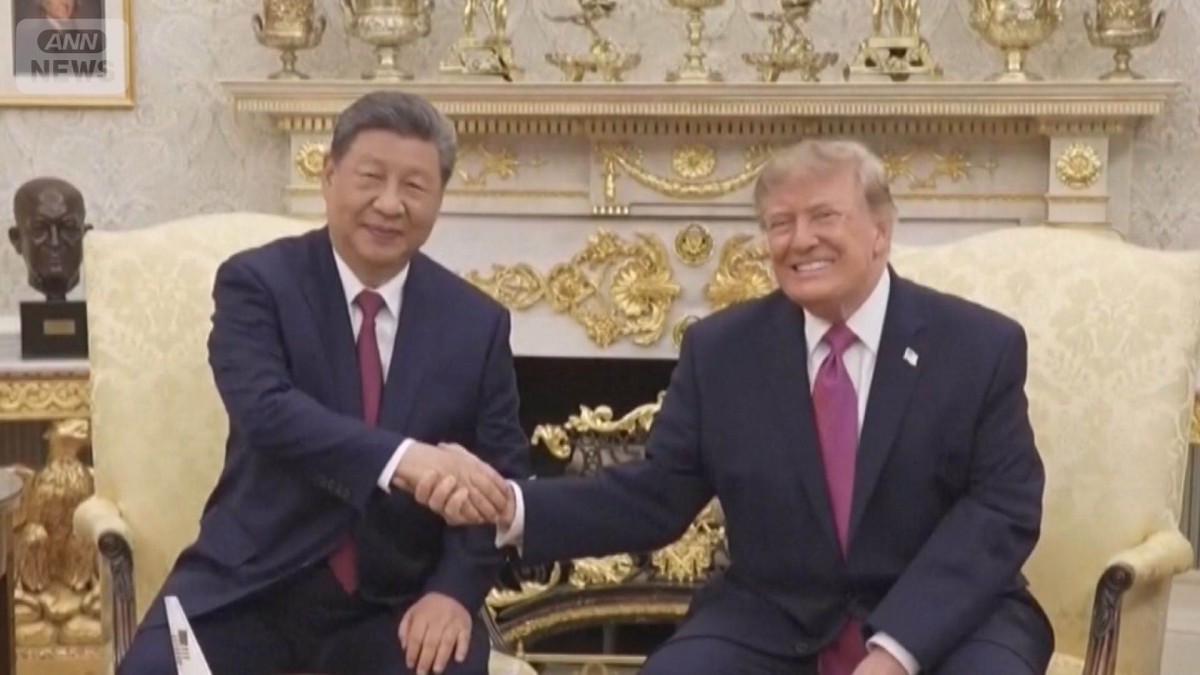
The Numbers Don’t Look Symmetrical — And That’s the Point
The United States and China released their mutual tariff-reduction lists on September 28, and the headline numbers tell a story that raw dollar figures obscure. Each side announced roughly 300 billion dollars in concessions — about 4.7 trillion yen at current rates — which sounds like parity on paper. But the item counts tell a different story: the United States agreed to cut tariffs on 77 Chinese products, while China cut tariffs on 1,619 American products.
That gap is not an arithmetic error. It is a negotiated reality shaped by who needed what most and who could afford to wait longest.
China’s list covers agricultural goods, medical devices, care products, and notably, coal — a commodity whose inclusion signals Beijing’s energy security concerns are weighing into trade negotiations as much as export strategy. The United States kept its list short — focused on toys, home electronics, and kitchenware — suggesting Washington has been more protective of its consumer-import channels or simply had fewer sectors willing to absorb competitive pressure from Chinese exports.
The asymmetry reveals which capitals faced fiercer domestic lobbying from import-dependent industries. China’s agricultural sector, long starved of American soybeans and corn after the 2018 backlash, mobilized powerful provincial coalitions to secure these concessions. Meanwhile, American manufacturers in consumer electronics and household goods saw their lobbying organizations struggle to overcome political headwinds that frame Chinese imports as strategic vulnerabilities rather than economic opportunities.
The MFN Signal Is What Matters
Perhaps more significant than the item counts is the claim that approximately 90 percent of the covered goods will return to Most Favored Nation tariff rates. This is the first explicit alignment with pre-trade-war baseline rates since the escalations began under the Trump administration. It signals a willingness on both sides to treat these reductions as structural resets rather than temporary political gestures designed to buy goodwill before the next diplomatic crisis.
For Chinese exporters of toys, small appliances, and kitchen goods, this means a real reduction in the punitive tariffs that have reshaped sourcing decisions over the past several years. Companies that invested millions rerouting production through Vietnam or Mexico now face a calculus shift — some may return to Chinese factories where supply chains remain deeper and more efficient despite the tariffs.
For American farmers and medical-device makers, it opens doors in the world’s second-largest economy that were previously priced shut. Iowa soybean operations, Kansas wheat farms, and Michigan medical equipment manufacturers had watched Chinese markets disappear without recourse. These MFN-rate returns represent their first tangible gain since the tariff wars began in earnest.
But MFN alignment also raises a question that neither government has answered publicly: what happens when the next dispute arises? The MFN floor is a useful anchor, but it offers no mechanism to prevent tariffs from climbing again. The last five years showed that trade policy between these two countries can shift rapidly based on political calculus — often triggered by events entirely unrelated to commerce, from diplomatic spats to military exercises.
Today’s truce is only durable if both sides have an incentive to maintain it beyond the next election cycle or the next diplomatic row. Without institutional scaffolding, the MFN commitment remains a verbal promise that could evaporate as quickly as it was made.
The AI Dialogue Runs Parallel to the Tariff Talks
While the tariff negotiations unfolded, a separate channel opened that could ultimately matter more than any bilateral trade agreement. Vice Premier He Lifeng and US Treasury Secretary Bessent launched an AI dialogue, with the first session already completed and a second planned before the end of November. Both sides also agreed to establish a dedicated communication channel for managing unexpected incidents related to artificial intelligence.
The timing is deliberate and strategically significant. As the two powers de-escalate economic friction, they are simultaneously racing to manage the one area where competition is most intense and least regulated. The AI dialogue represents a recognition that decoupling is neither possible nor desirable in sectors where both countries depend on each other’s talent, markets, and infrastructure.
American AI firms need Chinese data centers, manufacturing scale, and consumer markets. Chinese AI developers need American chip design expertise, venture capital ecosystems, and academic research pipelines. Neither side can win a full decoupling without inflicting self-harm, and both recognize that some form of managed coexistence is preferable to unstructured competition.
It also suggests that Washington and Beijing are compartmentalizing their relationship with increasing sophistication: trade concessions in one lane, technological governance in another. The two tracks are linked by the broader question of whether strategic competition can be managed through institutional channels rather than pure coercion. The establishment of incident-management protocols for AI-related disputes mirrors the kind of crisis communication frameworks that emerged during the Cold War — imperfect, fragile, but potentially transformative in preventing miscalculation.
What This Means for Supply Chains in Asia
The tariff reductions will have second-order effects across Asia that extend well beyond the bilateral relationship, reshaping investment patterns and production decisions throughout the region.
Chinese manufacturers that shifted production to Vietnam, Mexico, and Thailand during the tariff escalation may now face renewed pressure to return to China for certain product categories, particularly consumer electronics and household goods where scale advantages remain decisive. The so-called China-plus-one strategy — long the default assumption for multinationals seeking supply chain resilience — is now being tested against hard economic realities. Companies that absorbed the cost of relocation during the height of tariff uncertainty must now decide whether those investments were precautionary or permanent.
American agricultural exporters could see a pickup in shipments to China, benefiting farmers in states that have been casualties of the trade war. But the gains may be uneven — the list includes general categories like “agricultural products” without specifying individual commodities, leaving markets guessing about which exporters will actually benefit first. Soybean farmers in the Midwest will likely see quicker returns than specialty crop producers whose products face different regulatory hurdles even after tariff reductions.
For countries like Japan and South Korea, the signal is mixed. On one hand, reduced US-China friction eases uncertainty for companies with complex regional supply chains that stretch across all three economies. Toyota, Samsung, and Panasonic have all invested billions restructuring production to accommodate tariff-driven fragmentation. On the other, the continued MFN alignment means that the broader architecture of trade barriers erected during the tariff wars remains intact for goods not covered by these lists. The truce is real but narrow, and the shadow of future escalation continues to influence investment decisions.
Hidden Winners and Losers
Beyond the headline industries, the tariff lists reveal quieter shifts in commercial advantage. Chinese coal exporters gain access to American markets at reduced rates, potentially easing energy costs for Chinese manufacturers who compete with American producers. Medical device companies on both sides stand to benefit from restored market access, though regulatory approval processes in China remain a significant bottleneck even after tariffs fall.
Japanese and European multinationals operating in China may find themselves in an advantageous position relative to American competitors, as the narrower US concession list suggests Washington is more selective about which Chinese imports it wants to encourage. This creates implicit pressure on Japanese and German companies to advocate for their Chinese operations, knowing they face less political scrutiny than American firms with similar exposure.
Meanwhile, smaller suppliers who built businesses around serving tariff-affected trade lanes now face uncertainty. Companies that arranged financing, logistics, and distribution specifically for the post-tariff environment must recalibrate as rules change again. The administrative friction of navigating two fluctuating tariff schedules has itself become a barrier to trade, and the transition period will impose costs even as new opportunities emerge.
The Real Test Is Time
This deal will be judged not by the press releases but by the next six months. Will the AI dialogue produce concrete coordination on standards, export controls, or crisis communication? Will the tariff reductions translate into measurable increases in bilateral trade volumes, or will compliance fears and administrative friction dampen their effect? Will the 90 percent MFN commitment hold when the next political shock hits?
Historical precedent offers little comfort. Previous trade agreements between the United States and China have unraveled when geopolitical tensions escalated — from the 2019 phase one deal to earlier arrangements dating back to the early 2000s. The question is whether the institutional scaffolding being built now, particularly around AI governance and incident management, represents genuine progress or merely more sophisticated mechanisms for managing decline.
The published lists are a negotiation’s end point and a new starting line. The fact that both sides agreed on the scope and scale of concessions is itself a sign that the worst phase of economic confrontation may be behind them. But the asymmetric item counts, the unresolved question of durability, and the parallel race in AI governance all suggest that this truce is conditional, not settled.
What emerges from these talks is not peace but a fragile equilibrium — one that depends on both governments having domestic audiences willing to accept gradual re-engagement and international competitors eager to fill any gaps left by retreating superpowers. The lists published on September 28 are a snapshot of where the United States and China stand today. They are not a blueprint for where they will be tomorrow.