The US Is Shipping Asylum Seekers to the Central African Republic—And It’s Escalating
An Afghan man granted protection from deportation to Afghanistan by a U.S. judge was instead sent to the Central African Republic. The Trump administration’s expanding use of third-country deportations is turning fragile African states into dumping grounds for America’s immigration enforcement problems.
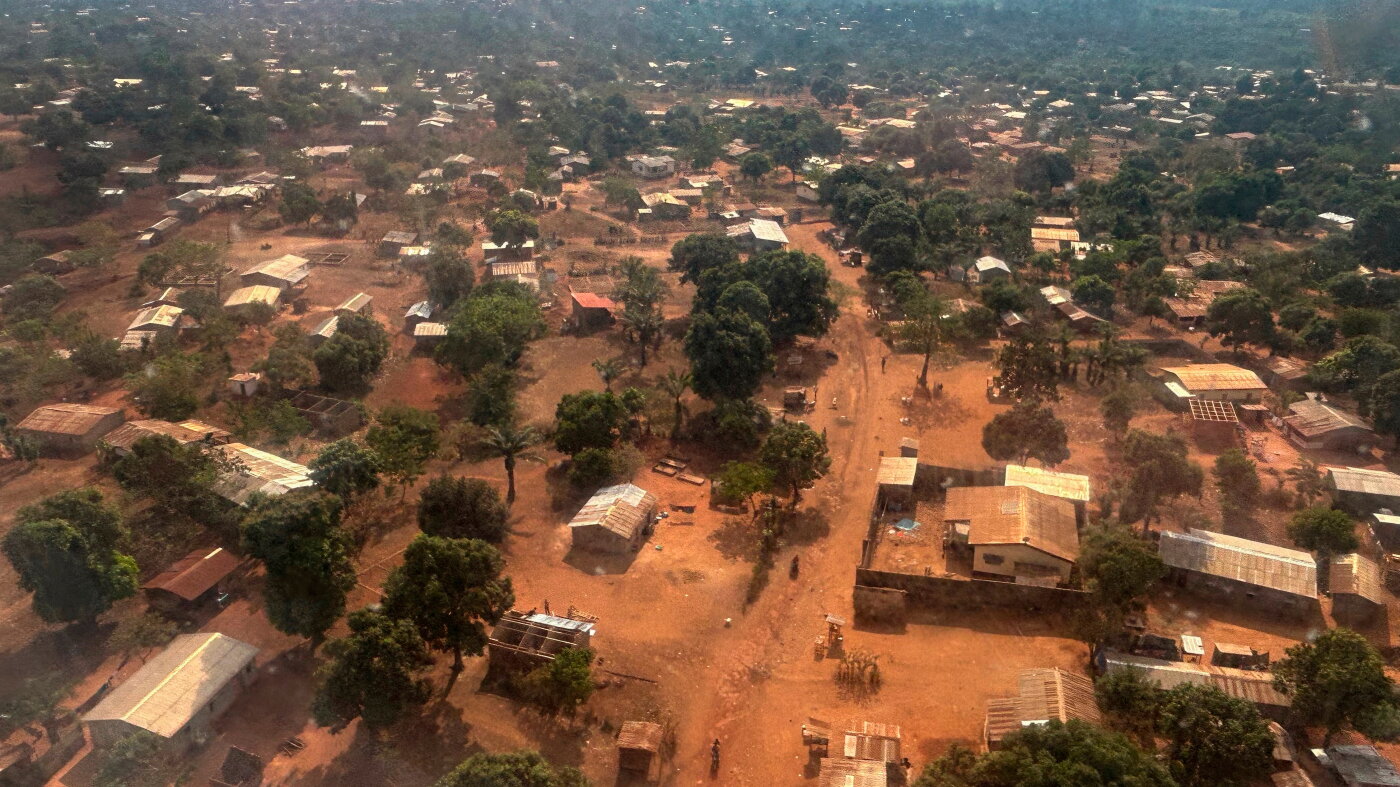
A Judge Said No. The Plane Flew Anyway.
The Afghan man in his early twenties had won a legal reprieve. A U.S. judge had blocked his deportation to Afghanistan, citing credible fears of Taliban persecution. His brothers had worked alongside U.S. forces—one served in the Afghan National Army, another was a pilot trained by the Americans who was later killed by the Taliban. The family had received death threats. The judge agreed: sending him back would be sending him to danger.
So the Trump administration sent him to the Central African Republic instead.
The deportation flight that landed in Bangui on Saturday carried 12 Afghans and 8 Iranians, along with migrants from Nepal and Nicaragua. It was the second such flight to theCAR since June, when two dozen migrants were dropped off in the same impoverished Central African capital. The pattern is clear and it represents a dramatic escalation in how the United States is handling its immigration enforcement crisis.
The Loophole That Became a Highway
Under a series of agreements—many never publicly disclosed—the Trump administration has deported thousands of people to roughly two dozen countries that are not their own. Immigration lawyers call it a legal loophole. Human Rights First’s Savi Arvey described it bluntly: the practice is being used to indirectly return asylum seekers to places they already fled.
The mechanism is straightforward. When a U.S. judge blocks deportation to a person’s home country on safety grounds, the administration simply sends them somewhere else. Anywhere else. The Central African Republic, a nation of roughly 5.6 million people that has suffered through civil war, ethnic violence, and the presence of armed groups since 2013, is now absorbing people the United States cannot legally send home.
This is not humanitarian protection. It is contractual displacement.
Why the CAR?
The choice of the Central African Republic is not accidental. It is a weak state with limited border controls, a collapsed judiciary, and a government that has shown willingness to accept deportees in exchange for political or financial considerations. The U.S. has been quietly deepening its security relationship with Bangui in recent years, conducting counterterrorism operations and providing aid through various channels.
But the cost of that relationship is now landing on the backs of people like the Afghan man whose brother died serving alongside American forces. He is being stranded in a country where he does not speak the language, has no contacts, and faces the same kind of instability that drove him to flee Afghanistan in the first place. The Taliban may have been the reason he left his home. Now a different set of dangers awaits him in Bangui—a city where armed groups control large swathes of territory and extrajudicial violence is routine.
Who Gets Hit First
The Saturday flight’s passenger list reveals the administration’s priorities. Afghans and Iranians dominate—two populations that have faced intense scrutiny and legal challenges to deportation in the United States. Iranians, many of whom face persecution for political or religious reasons, were also on that plane. An Iranian woman facing persecution in her home country was among the two dozen deported to the CAR in June.
Nepalis and Nicaraguans were on the manifest as well. The administration is treating the CAR as a catch-all destination for any group that has become politically difficult to remove directly. This is outsourcing in the truest sense: the U.S. is contractually paying a distant African government to absorb its immigration enforcement failures.
The Diplomatic Ripple Effects
This policy is creating diplomatic friction that extends far beyond Washington and Bangui. Source countries like Afghanistan and Iran are watching closely. They have little recourse against a third-country removal, but the political messaging is significant: the United States is effectively telling these nations that their citizens are not its problem anymore, even when those citizens helped American forces.
Transit countries are also paying attention. The precedent of using fragile states as detention buffers could spread. If the CAR can absorb dozens of deportees with minimal resistance, why not other weak states in Africa or elsewhere? The policy creates an incentive structure that rewards governments willing to sign agreements with Washington, regardless of their human rights records or capacity to protect vulnerable people.
What Happens Next
The Afghan man’s lawyer, Alma David, has indicated she is exploring legal avenues to challenge the removal. But the odds are stacked against her. The administration has built a shadow infrastructure for third-country deportations that operates largely outside public scrutiny. Courts are hesitant to intervene in matters framed as national security and immigration enforcement.
Diaspora communities worldwide are already feeling the chill. Afghans who supported U.S. forces during the two-decade war expected protection. Instead, they are finding themselves in a system where legal victories in court can be circumvented by simply flying somewhere else. The message to other potential allies and interpreters is unmistakable: assistance to American forces does not guarantee safety, and the safety you do receive may be conditional and temporary.
The second flight to the CAR in just a few months suggests this is not a one-off policy experiment. It is becoming standard operating procedure. And as long as the legal framework around third-country removals remains opaque, there will be very few checks on how far the administration can push it.