The US Is Fighting Its Own AI Boom — And Korea Should Be Worried
American voters and politicians are turning against the very data centers fueling the AI revolution. As Korea doubles down on AIDC expansion, the US experience offers a cautionary tale about water, power, and political backlash.
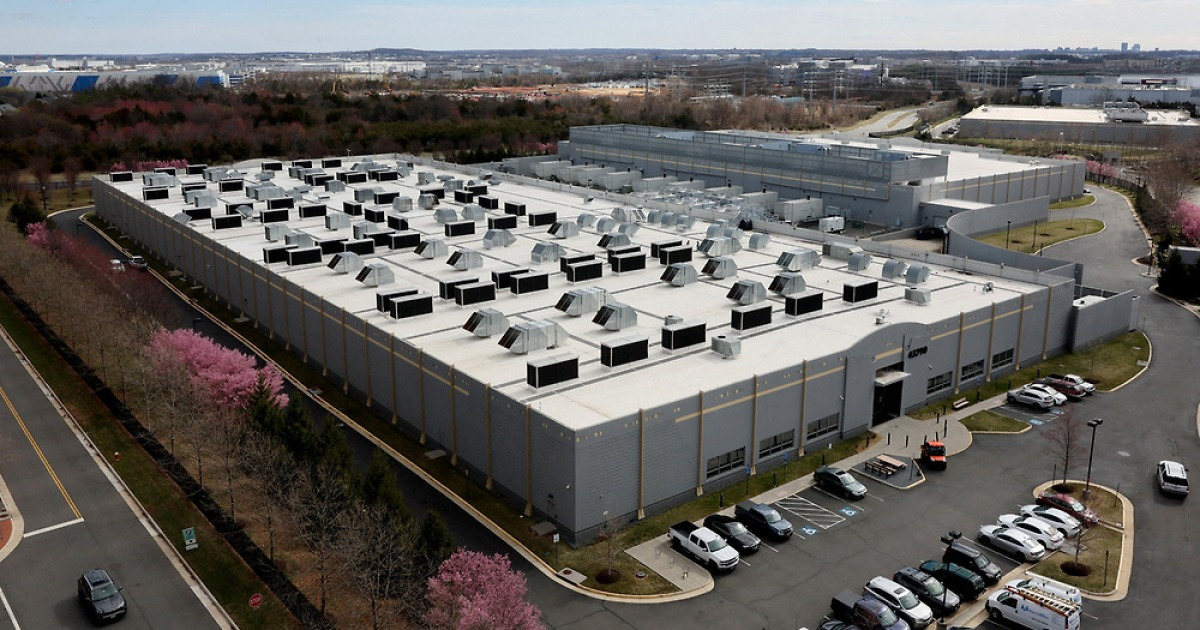
The Welcome Wagon Has Been Pulled Up
Josh Shapiro was a cheerleader. The Democratic governor of Pennsylvania stood beside Amazon representatives and praised their AI data center plan as an economic liftoff for his state. Six months later, he declared that speculative proposals were flooding in and called them unbearable. His Republican challenger, Stacey Gettys, used to champion the same projects. Now she faces the same accusations.
Greg Abbott in Texas did the same double turn. He welcomed Google’s data center buildout, then recently halted power grid approvals, arguing that AI infrastructure must not come at the expense of ordinary Texans’ livelihoods. New York and Michigan are now applying their own brakes.
What changed? Not the technology. Not the economics. The voters did.
The Numbers Behind the Backlash
A recent Fox News poll found 70 percent of American voters oppose AI data centers in their communities. Another 78 percent want construction slowed. These are not marginal numbers. They cut across party lines and signal a rare convergence: Americans who love AI on their phones are deeply suspicious of the factories that make it happen.
The opposition movement has grown almost tenfold in a single year. Members of AIDC resistance groups jumped from 75,000 in December to 640,000 by mid-2026. That is not a fringe surge. It is a political earthquake.
The mechanics are straightforward and brutal. A data center needs thousands of construction workers temporarily. Once it opens, it runs on 20 to 50 permanent staff. Tax breaks further erode the local revenue governments were promised. Meanwhile, the facility devours power and water at scales most communities have never faced.
OpenAI’s planned Michigan data center will consume as much electricity as one million homes. Some large facilities use up to 19 million liters of water per day for server cooling. That is enough water for roughly 50,000 people, every single day.
Who Wins, Who Loses
The winners are clear: AI companies that secure land and power connections, the utility firms that build new generation capacity, and the few permanently employed technicians who manage the sites.
The losers are everyone else in the zip code. Residents who watch their water bills climb and their power grid stressed. Farmers who lose access to irrigation supplies. Local governments that signed agreements promising jobs and tax revenue but received far less. And increasingly, politicians who bet on the wrong side of a rapidly shifting public mood.
This is not abstract. The Democratic Socialists of America, a left-wing political organization that opposed data centers from the start, is gaining electoral traction precisely because they predicted this outcome. Shapiro and Abbott are now scrambling to catch up.
India Already Paid the Price
The United States is not the first to learn this lesson. India, now positioning itself as the next major AIDC hub, is watching its own water crises deepen. Districts where data centers have been built report groundwater levels falling and reservoirs running low. Local communities cannot access the water these facilities consume.
Critics in India describe a new form of colonialism: Western tech giants locating their most resource-intensive infrastructure in developing nations, extracting water and power while exporting the computational value elsewhere. The benefits stay corporate. The costs stay local.
Korea should be reading this chapter carefully.
Korea’s Gamble
The Yoon administration has thrown its full weight behind AI data centers as part of what it calls three mega-projects. The energy strategy tells the real story. Korea had committed to phasing out coal by 2040. Now it is quietly reclassifying some coal plants as “security power sources,” extending their operational life. It is also revisiting LNG expansion plans to meet the power demand data centers will create.
The political calculation is simple: bet big on AI infrastructure and reap the rewards of being an early mover. The risk is equally simple: repeat the mistakes the United States is now struggling to contain.
Father Jo Hyeon-cheol, writing in the Kyunghyang Shinmun, put it bluntly. The government is committing to full support for the power and water needs of semiconductor and data center industries. It is saying nothing about the greenhouse gases and pollutants that will follow. “We may end up competing with farmers for drinking water,” he warned.
The Spark Is Already Here
This is not a future problem. Communities in the Seoul metropolitan area where data centers are already being built are holding resident protests. The pattern mirrors what happened in the United States: initial welcome banners, then sudden community organizing, then political pressure that forces officials to reconsider.
The timing is especially precarious. Korea is debating exactly which regions will host these facilities right now. The same questions Americans are asking — who benefits, who pays, who decides — are about to hit Korean soil with full force.
What Happens Next
The United States is a leading indicator, not a coincidental parallel. Its political dynamics tend to surface first, then spread. The data center backlash started with local complaints about water and power, moved to electoral consequences, and is now reshaping national policy debates.
Korea could either ignore this warning or study it. The difference matters.
The Korean government faces a genuinely hard question. It wants to lead in AI infrastructure, but it also depends on public legitimacy. Those two goals are starting to conflict. The political math in the United States suggests that conflict will sharpen, not soften, as more facilities come online.
The question for Korea is not whether AI data centers will face resistance. They already are. The question is whether policymakers will treat that resistance as noise to manage or signal to heed.
America is learning the hard way that building something useful and building something sustainable are not always the same thing. Korea has the opportunity to learn it the easier way.