US Loses Measles-Free Status After Years of Decline
Measles is no longer eliminated in the United States after a WHO-affiliated commission found continuous transmission for more than a year. The reversal comes amid falling vaccination rates, political rhetoric questioning vaccine safety, and theCDC's decision not to hold outbreak briefings.
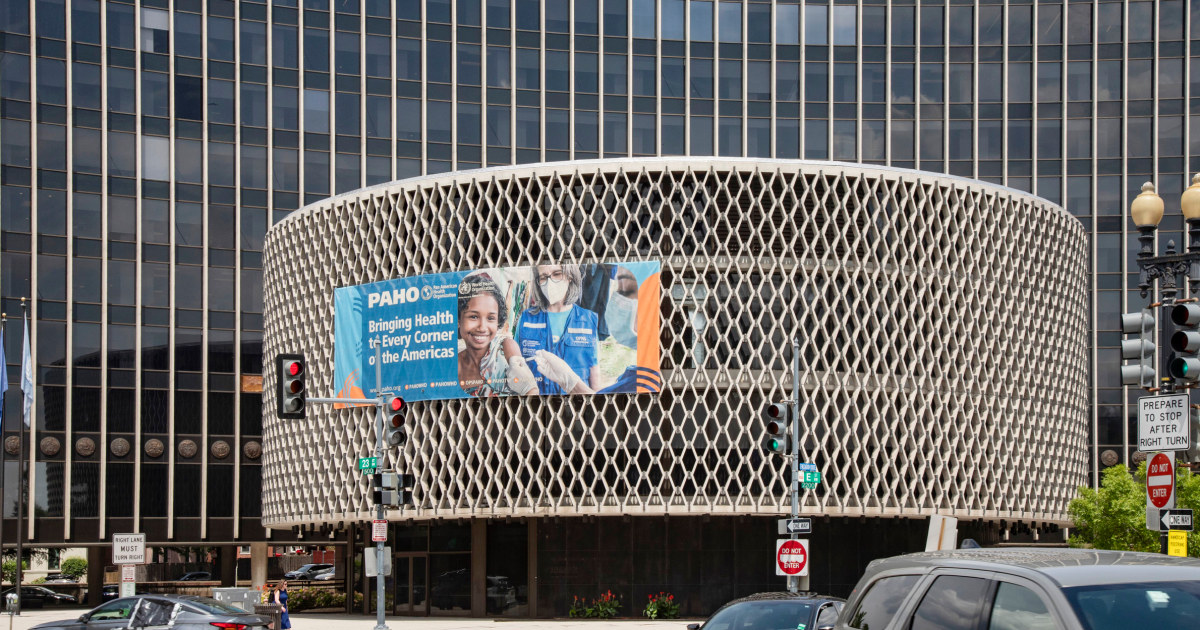
Measles Returns to the United States
Measles, once considered conquered, is now endemic again in the United States. The Pan American Health Organization’s independent commission revoked the country’s elimination designation this week after determining the virus has circulated continuously for more than twelve months. The US earned the status in 2000, a milestone celebrated alongside smallpox eradication and near-elimination of polio.
That distinction ended Tuesday. No fanfare. Just genetic sequencing data showing local transmission chains stretching across state lines.
Upwards of 5,400 cases have been recorded this year alone – more than double last year’s count and the highest total since 1991. Ten people have died, at least four of them infants too young to receive the first MMR shot. That detail alone reframes the entire calculus: when elimination falls, the dead are not abstract statistics but babies.
A Quiet Federal Withdrawal
What sets this episode apart from every prior measles surge – 2014, 2019 – is the absence of a federal response apparatus. Under past administrations, the CDC convened media briefings, released outbreak dashboards, and funded vaccination pushes. This year, none of that happened.
A Health and Human Services spokesperson said the agency allocated $100 million in additional funding in October and deployed experts to states. Health Secretary Robert F. Kennedy Jr. and CDC Director Dr. Erica Schwartz continue recommending the MMR vaccine. But the observable actions – the briefings, the campaigns, the visual presence of federal authority inside outbreak zones – simply do not exist.
Brewer described the gap plainly: “The lack of action to address the growing outbreak is clear negligence.”
Andrus, who chaired the PAHO commission, offered a starker comparison. Canada lost its own elimination status last year after a similar surge pushed cases above 5,000. “It wasn’t for a lack of effort,” he said. “There was a political commitment at the highest level.” Canada tried. The US has not seemed to try nearly as hard at the federal tier.
Who Is Undermining Confidence
The federal vacuum intersects with something more corrosive: direct messaging from the sitting administration that erodes the very foundation of measles control, which is simple – vaccinate children before age two and maintain herd immunity above 95 percent.
President Donald Trump told reporters in August that the combined measles-mumps-rubella vaccine could be “quite lethal.” Kennedy has repeatedly questioned vaccine safety and promoted unproven treatments like inhaled steroids for measles prevention. These are not fringe positions within the current administration. They are statements from the cabinet secretary responsible for the nation’s health and the president himself.
Brewer put it succinctly: “We have seen frequent and damaging public comments that have been shaking the confidence of parents about vaccination.”
The damage has materialized in the data. Ninety-two percent of kindergarteners were vaccinated against measles in the 2025-26 school year, down from 95 percent in 2019-20 – the exact threshold the WHO and CDC consider necessary to block sustained transmission. Nationwide, 75 percent of counties with available data sit below that line. Three rural counties in New Mexico and Idaho report kindergarten vaccination rates under 50 percent. At those levels, measles does not need an international traveler to ignite an outbreak. It needs only a playground.
The Pandemic Aftermath
The coronavirus pandemic accelerated trends that were already visible. Parents delayed well-child visits. Misinformation ecosystems, energized by anti-COVID-vaccine rhetoric, recycled the oldest debunked claim about autism – a theory thoroughly discredited across dozens of large-scale epidemiological studies but remarkably resistant to evidence.
World Health Organization warnings about vaccine hesitancy predated the pandemic. But the combination of disrupted care pathways and amplified skepticism created conditions where measles, one of the most contagious pathogens known to science, found open ground. One infected person transmits to roughly nine out of ten unvaccinated contacts in close proximity. The virus lingers in shared air for up to two hours. An apparently empty supermarket becomes a transmission vector.
Some health departments in active outbreak zones have responded pragmatically, recommending early MMR doses for infants as young as six months – a deviation from routine schedules normally reserved for high-risk serotype scenarios.
Why This Matters Beyond America’s Borders
The US holding – and then losing – elimination status carries outsized weight globally because the United States shapes vaccine narratives worldwide. Donor priorities, COVAX-type procurement signals, Gavi eligibility thresholds, and even diplomatic conversations about health security all flow through Washington. When theCDC and HHS project ambivalence, low- and middle-income countries observe it. International donors recalibrate. Aid organizations adjust their messaging.
Canada’s revocation last year sent shockwaves through public health circles north of the border precisely because it demonstrated that wealth, infrastructure, and political will were insufficient against sustained viral circulation and social resistance. The US experience proves an additional proposition: that political leadership hostile to the tools of elimination can undo progress faster than any pathogen alone.
Reclaiming the designation will take years, experts agree. PAHO requires documented interruption of indigenous transmission for an extended period, coupled with verifiable vaccination coverage sustained above the 95 percent threshold and functioning surveillance systems. None of those conditions currently obtain nationwide.
The path forward is not fundamentally complicated. It requires sustained vaccination campaigns, targeted outreach to communities where rates have collapsed, and a federal government that treats measles as the emergency it is rather than a background risk to be managed through press releases.
Whether it happens remains the question. The virus is already here.