US Strikes Iranian Launchers Near Hormuz, Threatening Global Oil Flow
US strikes on Iranian missile launchers off the Strait of Hormuz mark a dangerous escalation in a six-month war, raising alarms that Iran could tighten a blockade choking off 20% of global oil supplies. Asian importers face the brunt of any disruption, as alternative routes remain insufficient.
The Strike and Immediate Fallout
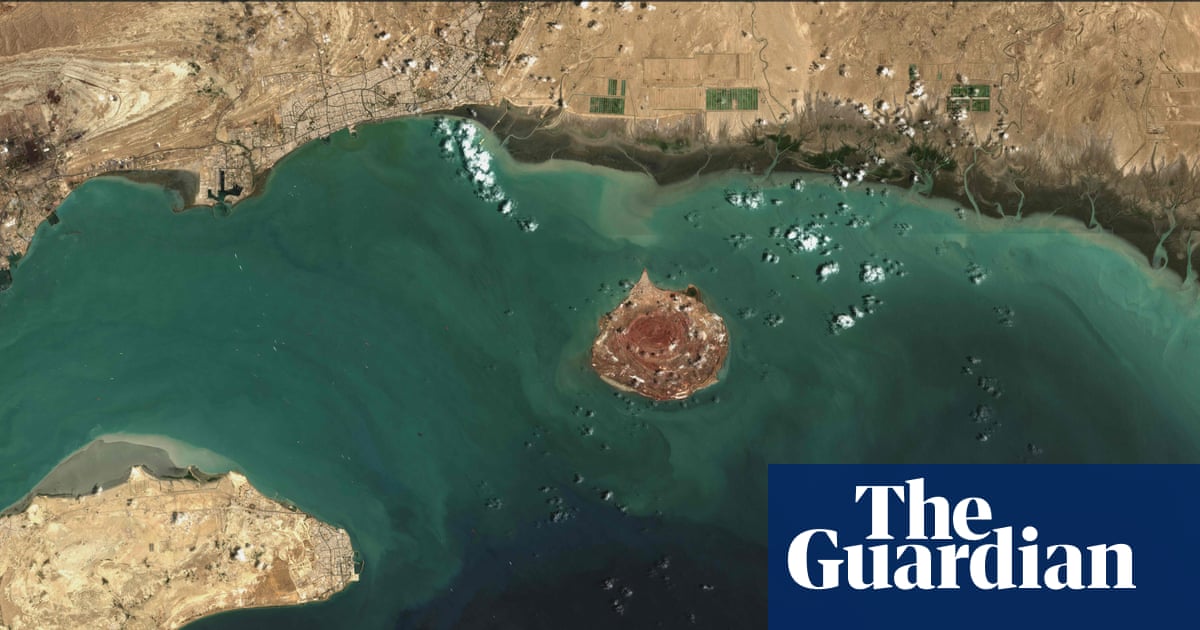
The United States bombed two Iranian rocket launchers on Larak Island on Sunday, a strike that crossed a quiet line in a grinding war and sent shockwaves through global energy markets. According to a US official, Islamic Revolutionary Guard Corps (IRGC) forces were observed preparing to launch rockets equipped with sea mines into the Strait of Hormuz. The attack killed and wounded several soldiers and civilians, Iran’s state media reported, with semi-official outlet Fars vowing a “response and punishment” that would hit the US “economically and militarily.” By Sunday night, Iran had already launched a retaliatory attack on US forces in Jordan, which a US source said was fully intercepted with no significant impact.
This was the first known American strike on Iranian territory since late July, ending a period of relative restraint that had allowed the conflict to settle into a stalemate. The timing and target are telling: Larak Island sits at the narrowest point of the Strait of Hormuz, a strategic perch where Iranian naval units have long monitored and disrupted commercial shipping. The US claim that the IRGC was about to lay mines—an act that would effectively close the chokepoint—suggests Washington was responding to an imminent threat. But the strike also signals a willingness to intensify operations in a zone that handles one-fifth of the world’s oil.
A War at a Stalemate
The US-Iran war began on February 28 with coordinated American and Israeli strikes on Iranian targets. Iran retaliated with missile and drone attacks against Israel and Gulf states hosting US bases. Six months later, the conflict has reached a bloody deadlock. Eighteen US service members have been killed, and thousands of Iranians and others in the region have died or been displaced. Washington has threatened costly sanctions on countries that support Iran, while Tehran has relied on asymmetric tactics—mines, drones, proxy militias—to bleed its adversaries without risking open conventional war.
President Donald Trump last week declared that all mines had been detonated or removed from international waters of the Hormuz and warned that any ship or boat placing new mines would be destroyed. The strike on Larak appears to be the enforcement of that threat. Yet the reality on the ground is more ambiguous. Iran controls the territorial waters around Larak and other islands, where mining activity may be ongoing out of sight of US forces. The US and its allies have the technology to clear mines, but doing so under fire is a dangerous, slow process. The stalemate persists because neither side can deliver a decisive blow without triggering a wider regional war.
The Chokepoint at Risk
The Strait of Hormuz is the world’s most critical oil transit chokepoint. Before the conflict, about 20% of global oil barrels passed through its narrow waters daily. Now, the strait is effectively blockaded. Commercial vessels avoid the area due to the threat of mines and attacks on tankers. Shipping insurance premiums have skyrocketed, and several major operators have suspended voyages through the strait. Oil prices have risen sharply, though they have not yet broken out to crisis levels because stored supplies and alternative routes have partially cushioned the shock.
But the cushion is thinning. The US strike on Larak increases the risk that Iran will respond by expanding its mine-laying campaign or attacking vessels in territorial waters where it asserts sovereign rights. If Iran closes the strait completely, the disruption would be immediate and severe. Global oil supply would drop by roughly 20 million barrels per day, a figure that dwarfs any spare capacity the US or other producers could bring online in a matter of weeks. The market would panic, prices would spike, and the real economy would feel the pain within months.
Asia Feels the Pressure First
Asian importers are the front line of this crisis. Japan, South Korea, and China together account for about half of global oil demand and rely heavily on Middle Eastern supplies shipped through the Hormuz. Japan imports over 90% of its crude from the Middle East, nearly all of it through the strait. South Korea and China are similarly dependent. Any prolonged closure would starve these economies of oil and send their trade balances into turmoil. Even the threat of closure has already caused Asian refining margins to widen and freight rates to surge as ships reroute around Africa’s Cape of Good Hope—a journey that adds weeks and tens of millions of dollars to each tanker voyage.
Alternative sources exist, but they are insufficient to fill the gap. The US has accelerated production from shale fields, but capacity growth has been modest. Russia and Kazakhstan can increase pipeline and rail shipments to China, but volumes are limited by infrastructure. Angola, Nigeria, and Brazil have extra crude, but shipping them to Asia requires the same maritime routes that run the risk of Horn-of-Africa piracy and longer transit times. No alternative comes close to replacing the Hormuz corridor in speed, cost, or scale.
Who Wins and Who Loses
In the short term, the US wins a tactical victory. By striking the launchers, it demonstrates its ability to project force and preempt an immediate threat. It also reinforces Trump’s warning that mine-laying will be met with destruction. For Iran, the strike is a setback and a humiliation, but it also provides justification for escalation. The IRGC can claim it was defending national sovereignty, and Tehran can rally domestic support by portraying itself as the victim of US aggression. The “response and punishment” it promises could take many forms: more mining, attacks on Saudi or UAE infrastructure, harassment of commercial vessels, or strikes on US bases in the Gulf.
The biggest losers are the global economy and, above all, Asian consumers. A prolonged Hormuz crisis would push oil prices well above $100 a barrel, dragging down growth, fueling inflation, and destabilizing economies that are already coping with high interest rates and debt burdens. China, the world’s largest oil importer, would face the most acute strain, potentially forcing it to ration fuel or seek desperate diplomatic deals with Iran. Japan and South Korea, the closest US allies in the region, would bear the brunt of supply disruptions while also risking entanglement in a wider war.
What Comes Next
The conflict is now in a dangerous new phase. The US strike breaks the July stalemate and raises the probability of further exchanges. Iran may choose to escalate directly, targeting US assets in the Gulf or laying mines in international waters despite the consequences. Alternatively, it could engage in calibrated retaliation—striking a minor target or tightening harassment of shipping—to show resolve without triggering full-scale war. Both paths risk drawing in other regional actors, including Hezbollah, Houthi rebels, and Iraqi militias, each of whom has the capability to open additional fronts.
Diplomatic efforts to reopen the strait are likely to intensify, but prospects are slim. Iran will insist on lifting sanctions and securing guarantees against further US strikes. The US will demand that Iran cease mining and allow freedom of navigation. Neither side can back down without appearing weak. Meanwhile, the International Energy Agency and other bodies will push for emergency releases of strategic reserves, but those measures can only delay, not prevent, the economic hit.
For Asia, the strike is a stark reminder that energy security is national security. Governments will urgently review their supply diversification strategies, accelerate investments in renewables and storage, and deepen military cooperation with the US to protect shipping lanes. But these are long-term solutions to an immediate problem. In the coming weeks, the world will watch to see whether the Larak strike is a turning point toward de-escalation or a spark that ignites a broader conflagration—and whether the Strait of Hormuz remains open for business.