What Pikachu's Apple Park Visit Reveals About the Next Big Tech-IP Deal
Tim Cook's Pokemon meeting with incoming CEO John Ternus isn't just a cute photo op. It signals a deeper platform-IP strategy as Apple pivots under new leadership.
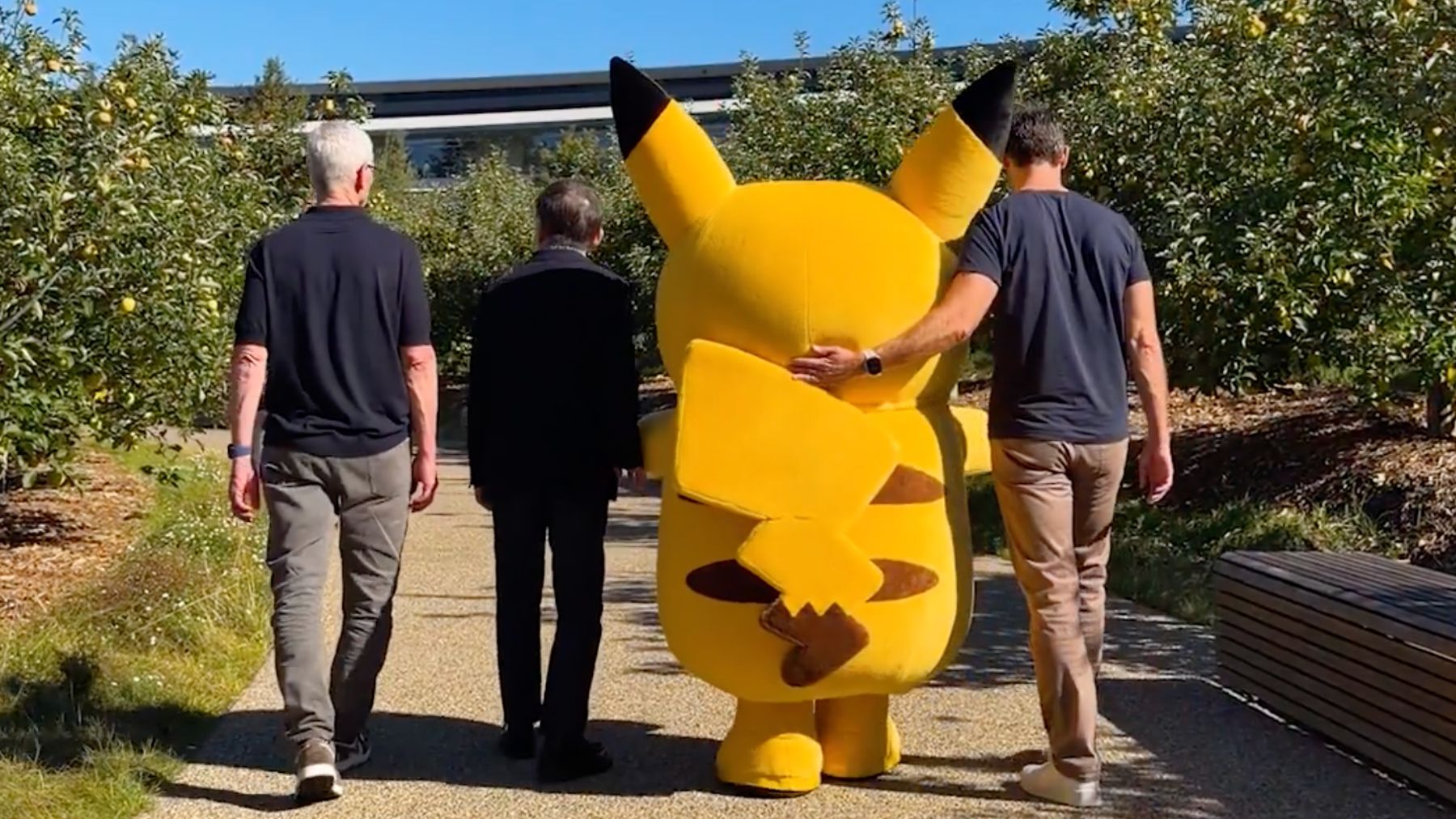
The Meeting That Wasn’t Just About Pikachu
Tim Cook met with representatives from The Pokemon Company at Apple Park last week and brought along his successor, John Ternus. They were introduced to Pikachu. The accompanying video shows the electric mouse character exploring the campus, dancing under the rainbow arch, and picking an apple from the orchard. On the surface, this is a charming moment. Beneath it sits a signal worth tracking.
Cook, who steps down as CEO on September 1, has spent his final months preparing Ternus for the transition. Introducing him to a major IP partner isn’t a casual detour. It’s a deliberate gesture about what kind of CEO Apple will have next — one who understands that hardware alone no longer defines the company’s trajectory.
A Pattern You Can Trace
This wasn’t Cook’s first encounter with Pokemon. He met Pikachu during a trip to Tokyo in September 2025 for the reopening of Apple Ginza. That visit preceded another meeting at Apple Park. The sequence matters: a public appearance in Japan, then a private discussion at Cupertino.
Cook described the Apple Park session as a conversation about gaming. Pokemon is not a small player in mobile gaming. Titles like Pokemon GO, Pokemon Trading Card Game Pocket, Pokemon UNITE, and Pokemon Champions already run on Apple platforms. But having a seat at the table with Apple’s leadership suggests the relationship may be evolving beyond existing distribution arrangements. Sources familiar with the talks indicate discussions touched on exclusive content, integrated experiences, and potential co-developed projects that would lean on Apple’s AR capabilities and Silicon design.
Why This Matters for Apple’s Next Era
Ternus comes from the hardware side. He led product design and engineering before being named CEO. His appointment surprised some observers who expected a software or services background. A meeting with The Pokemon Company could be Ternus’s first lesson in the other half of Apple’s growth story — entertainment IP and interactive content.
Apple has been pushing into gaming for years. Apple Arcade launched in 2019. Services revenue now accounts for a significant share of the company’s total. The timing of this meeting, sandwiched between Cook’s final earnings call and his official departure, suggests that gaming partnerships are not peripheral to Apple’s strategy. They are central to how the company plans to grow under Ternus.
The broader implication is structural. Apple’s revenue mix has shifted significantly toward services over the past five years. Gaming sits at the intersection of services and hardware — it drives device sales through exclusive titles, sustains App Store commission income, and feeds the broader entertainment ecosystem that includes Apple TV+ and upcoming VR initiatives. This meeting, however ceremonial it appears, signals that Ternus intends to treat gaming partnerships with the same strategic weight that Cook reserved for supplier relationships.
What Happens Next
The Pokemon Company has been selective about partnerships. Its most notable previous technology collaboration was with Niantic for Pokemon GO, which transformed augmented reality gaming and became a cultural phenomenon. Any deeper engagement with Apple would likely follow a similar model: a high-profile game or platform integration rather than a simple licensing deal.
Industry watchers are already speculating about what form such a partnership might take. Possibilities range from an Apple-exclusive Pokemon title leveraging the M-series chip’s neural engine for real-time AR rendering, to a deeper integration with Apple Vision Pro, to a seasonal event series tied to Apple’s holiday marketing calendar. The Pokemon Company has not commented on the Apple Park meeting. Apple declined to provide details beyond the published video.
Cook will remain as executive chairman. His presence in that role means he will still influence major partnership decisions. Whether that includes a Pokemon-related announcement in the coming months remains unclear. What is clear is that the groundwork has been laid.
Apple Park will see more visitors like Pikachu. The question is whether they come as guests or as part of something larger.
The Bigger Picture
Tech companies have spent the past decade trying to wrap their platforms around beloved franchises. Amazon built a universe around Lord of the Rings. Disney leaned into Marvel and Star Wars. Apple’s approach has been quieter — streaming services, Arcade titles, partnerships with studios and game developers.
A visible meeting between the CEO of one of the world’s most valuable companies and one of the world’s most recognizable fictional characters is unusual. It should be read as intentional. Apple is signaling that its ecosystem extends beyond devices into the cultural moments people care about.
The second-order effect of this strategy is worth noting. When Apple secures a major IP partnership, it doesn’t just gain content — it gains a cultural shorthand that reinforces brand loyalty. Consumers who associate Apple with premium experiences don’t switch ecosystems lightly. The Pokemon meeting, for all its playful framing, is about retention as much as growth.
Cook is leaving behind a company that has spent 40 years defining personal technology. Ternus inherits a company now trying to define cultural technology. Pikachu’s visit to Apple Park may be the smallest moment in that transition. It might also be one of the most telling.
The Numbers Behind the Moment
Pokemon GO generated over $6 billion in revenue since its 2016 launch. The franchise as a whole is worth more than $100 billion across games, merchandise, and media. Apple’s Services segment reported revenue growth in the double digits in recent quarters. The intersection of those two data points is not coincidental.
Apple doesn’t need Pokemon. But Pokemon in Apple’s ecosystem means something — a platform reaching hundreds of millions of active devices, a user base that already spends billions on App Store transactions, and a brand identity that fits neatly alongside one of gaming’s oldest and most enduring properties.
The meeting happened. The details remain private. What comes next will reveal whether this was a courtesy call or the opening move of something bigger. One thing is certain: under Ternus, Apple is treating IP partnerships not as add-ons to its business but as foundational to it.