When JPMorgan Can No Longer Model Oil Prices, Markets Are in Uncharted Territory
JPMorgan analysts admitted they lack a baseline view of oil markets for the first time since the Iran conflict began — a signal that the war has broken the macroeconomic forecasting tools global markets depend on.
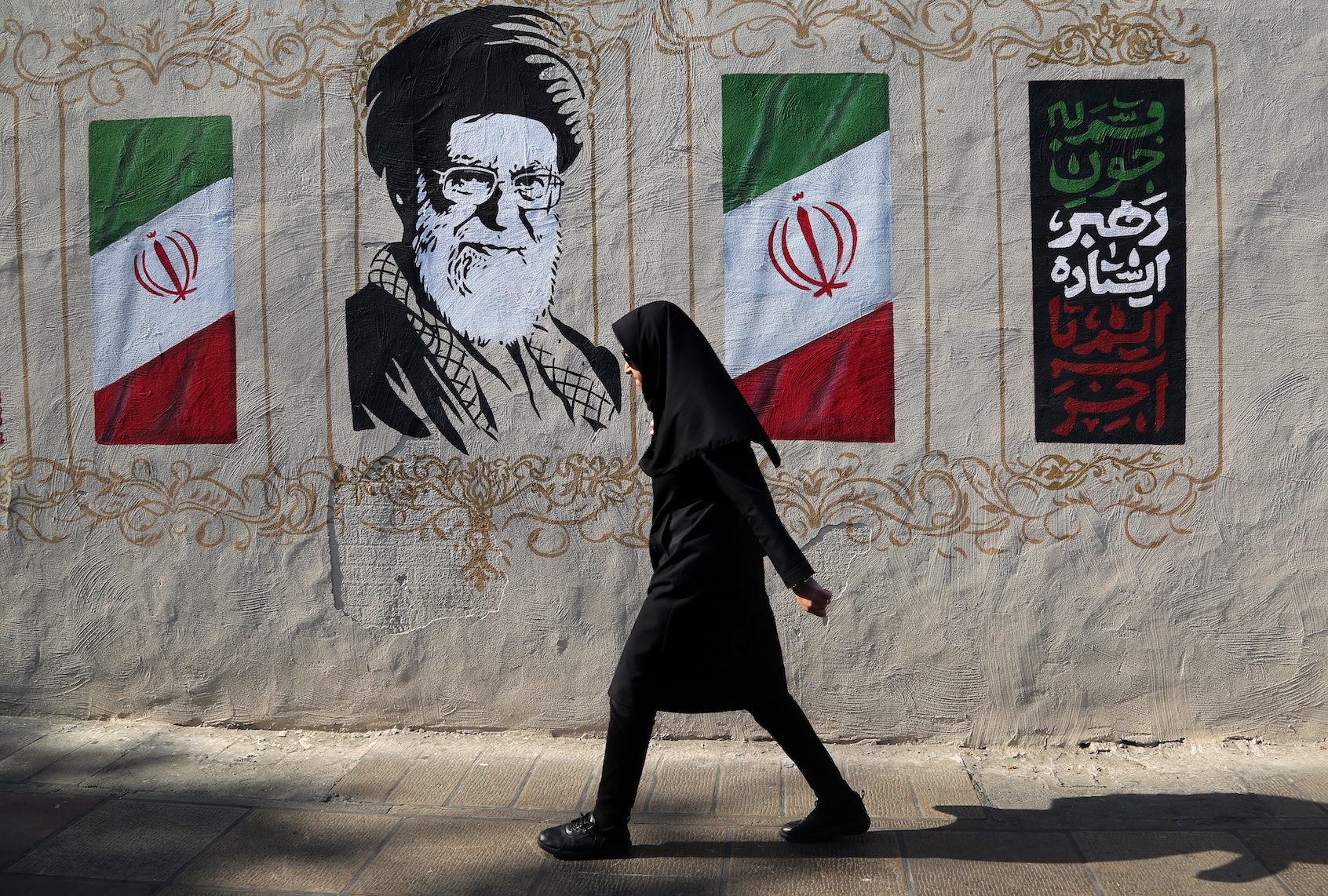
The Warning No One Wanted to Hear
JPMorgan does not announce uncertainty easily. The firm’s commodity desk has built its reputation on pricing the price — on turning geopolitical chaos into models, scenarios, and tradeable conclusions. On Thursday, that composure cracked. Natasha Kaneva, head of the bank’s global commodities strategy, wrote that JPMorgan simply has no baseline view of oil markets anymore. The war with Iran has lasted nearly seven months. None of the red lines the analysts assumed would hold have held.
The conventional assumptions that underpin every energy forecast have been shredded. Oil is above $100 a barrel. U.S. gasoline is near $5 a gallon. The 10-year Treasury yield has cleared 5%. Each of these thresholds, in previous conflicts and crises, was treated as a ceiling — a point at which political pressure would force de-escalation or policy intervention. They were not. The market did not find an anchor. It found a new normal one level higher.
The Diesel Shock Nobody Was Tracking
The headline number everyone watches is crude. The number that will hit harder, slower, and deeper is diesel. U.S. diesel prices climbed above $6 a gallon earlier this month — the first time they have ever done so — and they continue to rise. This is not a seasonal blip. It is a structural squeeze.
The S&P Global Energy Fuels and Refining team issued an analysis this week with a blunt title: winter is coming for diesel markets. The logic is straightforward and terrifying for anyone who depends on freight, agriculture, and heating. Inventories are low. Spare refining capacity is scarce. Seasonal demand is about to strengthen at exactly the wrong moment. A single drone strike that damaged a Saudi pipeline is expected to cut crude exports by 400,000 barrels per day this month alone — a figure small in the grand total but devastating when you are already short.
Diesel is the hidden backbone of the American economy. When it climbs, so does everything that moves, feeds, and warms. The model JPMorgan once relied on did not build in a scenario where the backbone itself becomes the bottleneck.
Who Models a War With No Model
The real story here is not the price of anything. It is the death of the premise that wars have endings economists can price.
For decades, commodity strategists operated on a set of implicit assumptions: that the United States would not tolerate a conflict long enough to drain stockpiles permanently, that Iran would eventually negotiate under pressure, that red lines would create feedback loops that cooled rather than escalated. All of those assumptions are now wrong. The war has not produced a downward inflection in any of its cost curves.
Trump signaled on Thursday that he is weighing an even broader escalation, telling Axios he faces a decision on whether to pursue the annihilation of the Iranian regime. The day before, he repeated the familiar claim that Iran wants to make a deal. Given the trajectory of the conflict, neither proposition is useful for anyone trying to build a forecast. You cannot model an endgame that has no shape.
This is what economists mean when they say they are out of their depth. It is not that the data is bad. It is that the causal chain from military action to market outcome has been severed.
The Cost Curve Just Kept Climbing
The Pentagon told Congress this week the war has cost $42 billion. The Congressional Budget Office had estimated $38 billion. Linda Bilmes at Harvard Kennedy School put the figure at $100 billion as early as July. The numbers disagree because they are measuring different things — operational costs, aid packages, future liabilities, the invisible hemorrhage of insurance premiums and shipping reroutes. All of them are wrong in the same direction: too low.
Meanwhile, Trump is promising to sell Saudi Arabia 48 F-35 fighter jets. More advanced weaponry into a theater where pipelines are already burning and stockpiles are empty is not a policy. It is a refusal to accept that the policy has failed.
The Numbers Behind the Human Catastrophe
Energy markets will recalibrate eventually. They always do. The human cost of this war does not.
An estimated 1,800 to 3,800 Iranian civilians have been killed, according to reporting. The Pentagon acknowledges 18 U.S. servicemember deaths in its public database; officials speaking on condition of anonymity said the true figure could be as high as 23, with three U.S. contractors added since late February. More than 100,000 people have fled renewed fighting in Yemen, a number that has received far less attention than Houthi attacks on Red Sea shipping.
The U.N.’s top human rights body reported Thursday that there are reasonable grounds to believe the United States has committed war crimes, citing two specific strikes — including one on a school in Minab that killed 150 people, 120 of them children. The White House dismissed the report. Neither side is going to stop counting bodies because economists have stopped counting barrels.
What Happens Next
The immediate consequence of JPMorgan’s admission is not panic. It is paralysis. When the most systematic players in global finance say they cannot establish a baseline, every other actor moves to defense. Corporations will lock in fuel contracts at whatever price. Shippers will reroute. Central banks will watch inflation reaccelerate without a clear trigger they can legislate against.
The second-order consequence is more dangerous. The tools that keep global markets stable — forward curves, inventory buffers, scenario models — are themselves being depleted. Oil stockpiles are near record lows. Spare refining capacity is gone. The margins that traders rely on to absorb shocks have been traded away.
Winter is six weeks away. Diesel is above $6. JPMorgan has no baseline. The war has no visible end.
The most honest economic forecast in this moment is not a number. It is an admission that nobody knows what happens next — and that the last time something this uncertain appeared in the data, it was usually called a crisis.