Why Korea Is Breaking the News on a Landmark FDA Cancer Drug Approval
A Korean broadcaster is covering an FDA pancreatic cancer drug approval that US outlets have barely noticed. The story reveals more than a single drug win — it shows how Korea now reports global health breakthroughs the West still hasn't amplified.
The Headline That America Missed
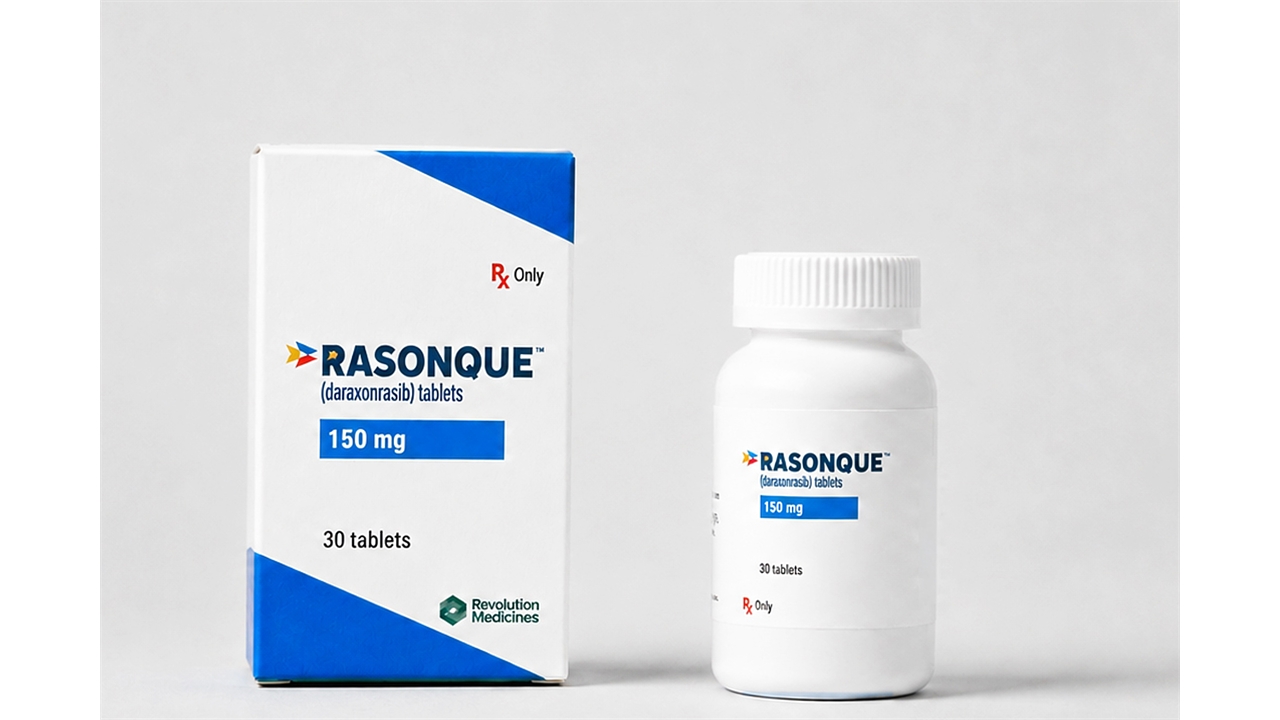
On a Tuesday in late August, YTN — South Korea’s national news network — published a report headlining the US FDA’s approval of Larsock (dartronixor), a pancreatic cancer drug that nearly doubles median survival time. The same approval was already being discussed internally by oncologists, covered in fragmented updates by Reuters and BioPharma Dive, and acknowledged in passing by the FDA’s own press release. Yet no major American newspaper ran a dedicated story. No major TV network led with it on evening newscasts. A South Korean broadcaster did.
This is not a small thing. Pancreatic cancer kills roughly 50,000 Americans annually and is among the deadliest malignancies worldwide. The FDA approval of a single oral tablet that pushes median survival from 6.7 months to 13.2 months in a phase 3 trial of about 500 metastatic patients is a genuine medical milestone. The fact that the most prominent, detailed reporting came from Seoul rather than Washington or New York is the kind of signal worth paying attention to.
What the Drug Actually Does
Larsock is manufactured by Revolution Medicines, a Cambridge-based oncology-focused biotech that has built its pipeline on directly targeting KRAS — the mutated oncogene that drives roughly 90 percent of pancreatic cancers and has resisted pharmaceutical attack for decades. The drug works by inhibiting the protein produced by the KRAS mutation, effectively cutting off a growth signal that cancer cells depend on. It is taken orally, once daily, and according to lead investigator Brian Wollin, produces fewer side effects than standard intravenous chemotherapy.
Ziad Chaudhry, senior scientist and innovation lead at the Orlando Health Cancer Institute, called it a “game-changer” for patients who have had almost no options beyond aggressive infusion regimens with brutal toxicity profiles. This matters because the KRAS target has been described for years as the holy grail of oncology drug development. Multiple attempts — including ones by large pharma — failed before Revolution Medicines demonstrated that covalent KRAS G12D inhibition was clinically viable. The 13.2-month median survival result isn’t the first KRAS-targeted data ever shown, but for pancreatic cancer specifically, it is the most compelling signal to date.
Why a Korean Outlet Is Leading
Korea does not have a domestic equivalent of the New York Times or the BBC. Its media market is smaller, its international reach more limited. But it has something else: a population and medical community for whom cancer is a defining national concern. Pancreatic cancer incidence in South Korea has risen steadily over the past two decades, and the country’s pharmaceutical sector — home to Samsung Biologics, Celltrion, and a dense ecosystem of mid-tier biotechs — has invested heavily in oncology pipelines. Koreans consume health news differently than Americans. They expect it to be precise, rapid, and detailed. When a major FDA approval lands, YTN and its competitors treat it as a public health event, not a corporate press release.
This orientation shows up in how the story is framed. YTN’s report did not bury the survival data under boilerplate about the approval process. It led with the numbers — 13.2 months versus 6.7 — and gave direct quotes from the trial’s lead investigator and an independent expert. It identified the manufacturer, explained the mechanism in plain language, and noted the side-effect advantage over IV chemotherapy. American coverage of the same approval, where it existed at all, tended to be thinner and slower.
What This Says About Korea’s Health Journalism
Korean media has been sharpening its science and health reporting for years, partly because the public demands it and partly because the stakes feel personal. Cancer is the leading cause of death in South Korea. The country spends disproportionately on pharmaceutical innovation relative to its GDP. Its clinical trial infrastructure has expanded rapidly, with many multinational trials now enrolling Korean patients alongside cohorts in Europe and North America. Korean journalists covering drug approvals bring a fluency that American generalist reporters often lack — not because they are better trained, but because the audience expects more.
There is also a structural advantage. Korean broadcasters operate in a landscape where US regulatory decisions are treated as domestic news from day one. A drug approved by the FDA is immediately relevant to Korean patients who may eventually receive it through local channels, and to Korean companies whose own pipelines are racing toward the same targets. This creates editorial urgency that American outlets, covering a story that predominantly affects their own citizens, do not always replicate with the same intensity.
Who Wins, Who Loses, and What Comes Next
Revolution Medicines wins. Its stock and its credibility both benefit from an approval that demonstrates clinical traction on the hardest target in oncology. Patients with metastatic pancreatic cancer win, at least in the short term — the drug is unlikely to be curative, but doubling survival from under seven months to over a year is as close to a victory as this disease has offered in decades. The wider KRAS drug development field wins too; every validated KRAS inhibitor strengthens the argument that the target is druggable, which benefits competitors like Amgen and Mirati, whose own KRAS programs have struggled with toxicity and narrow indications.
Who loses is harder to name precisely, but the status quo of pancreatic cancer care certainly loses. The standard of care for advanced pancreatic adenocarcinoma has changed very little in ten years. This approval forces that conversation open. Insurers and health systems will now have to decide whether to cover an oral targeted therapy at a price that, given its mechanism and trial results, will likely be high. Korean insurers will face the same question, only faster — YTN’s coverage ensures that the public is already talking about it.
What comes next is the longer arc. Pancreatic cancer remains a devastating diagnosis, and 13.2 months is not a cure. The real test will be whether KRAS-targeted therapies can move earlier in the treatment sequence, combine effectively with immunotherapies, and extend beyond median survival to produce durable responses. Revolution Medicines will be pressured to demonstrate that. Other companies pursuing KRAS inhibitors will be watching closely to see whether Larsock’s approval accelerates regulatory momentum or sets a bar that is harder to clear than expected.
For Korea, the更重要的 implication is softer but no less real. When a major global health story breaks and the most coherent, accessible reporting comes from Seoul rather than Washington, it signals a shift in how health information flows around the world. Korea is no longer just importing medical news. It is curating it, contextualizing it, and delivering it with a speed and depth that many Western outlets have yet to match. That is worth noticing.