Why Russia Is Testing Finland Through Break-ins at MPs' Homes
Suspected break-ins at the homes of Finnish lawmakers aren't just a domestic crime spree — they're a textbook hybrid tactic aimed at sowing doubt and testing Helsinki's defenses after Finland joined NATO.
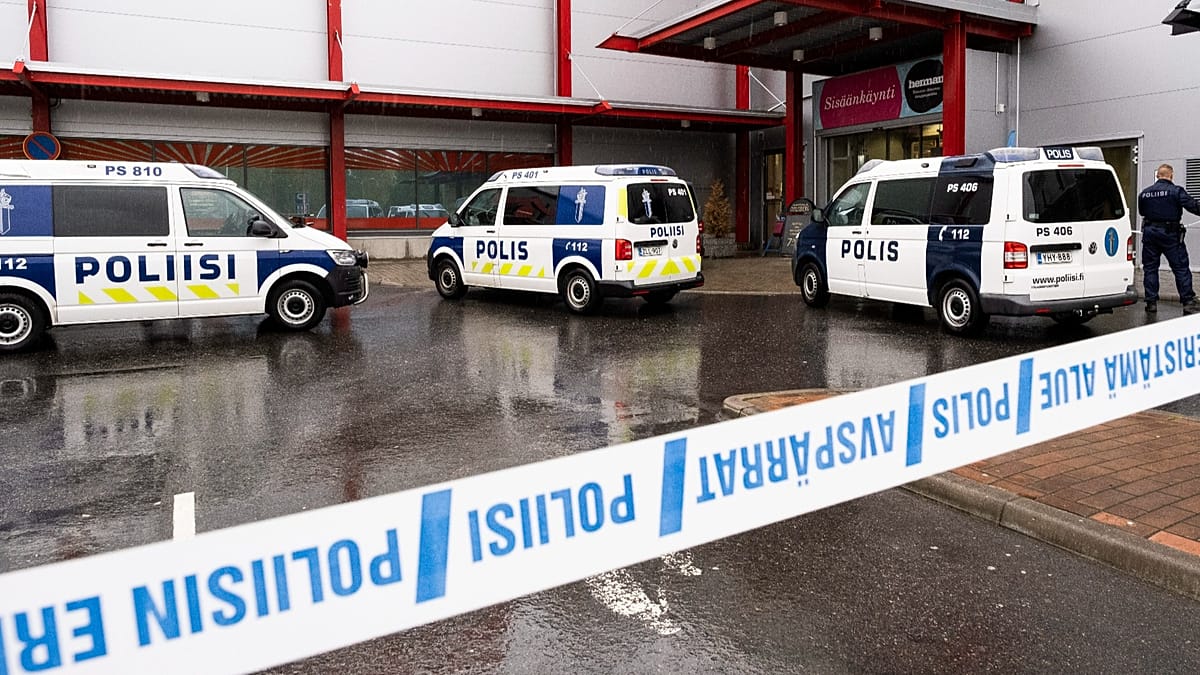
The quiet break-ins that scream intent
Finland’s president called it what it might be: an attack on democracy. But the attacks in question left no bodies, no dramatic headlines, and no clear perpetrator.
Over the past year, Finnish authorities say they’ve uncovered a significant number of suspected break-ins and signs of attempted intrusions at the homes of members of parliament. The first incident dates back roughly twelve months, according to Speaker Jussi Halla-aho, who declined to specify how many lawmakers were targeted. Deputy Speaker Paula Risikko, who heads the parliamentary security group, said she was briefed only last week. Helsinki police launched a preliminary inquiry and are not yet commenting on motives or suspects.
What’s striking about this case isn’t the violence — it’s the absence of it. These were intrusions, not assaults. The goal appears to have been something far more calculated than harm: disruption, surveillance, and the slow creep of uncertainty into the private lives of Finland’s elected representatives.
A familiar script, played in a new neighborhood
This is Russian hybrid warfare in its most classic form. Moscow has used variations of this playbook against democratic targets across Europe for over a decade — cyber intrusions, disinformation campaigns, economic coercion, and yes, the occasional physical intrusion designed to intimidate without provoking a military response.
The logic is straightforward: make life uncertain for politicians who might otherwise take a hard line on Russia. Create paranoia. Slow down decision-making. Test whether a newly minted NATO member will flinch under pressure that falls just below the threshold of open conflict.
Finland is the latest candidate. It joined NATO in April 2023, making it the Alliance’s most recent northern member and a country that shares an 1,300-kilometer border with Russia. The timing of these break-ins — stretching back to before Finland’s formal accession and continuing through it — is not incidental.
Why lawmakers? Why homes?
Targeting the homes of sitting lawmakers is deliberately chosen. Parliamentarians are the people who vote on defense spending, NATO commitments, and policies toward Moscow. Their homes are where they sleep, where their families live, where the boundary between public duty and private life should be absolute.
When that boundary is violated — even subtly, even without theft or physical harm — the message is unmistakable: we can reach you wherever you are.
The fact that the incidents involved both successful break-ins and attempted intrusions, as Halla-aho confirmed, suggests a pattern of probing rather than a single operation. Some got in. Some didn’t. Either way, the message lands.
President Alexander Stubb made the stakes explicit at an F-35 ceremony in Rovaniemi, northern Finland. “An attack against a member of parliament is an attack against democracy,” he said. The setting itself — introducing new fighter jets to the Far North — underscored that Finland is now thinking in NATO terms, not just Nordic ones.
The second-order effects: paranoia and polarization
What makes this tactic particularly insidious is its psychological footprint. When lawmakers learn that someone may have been inside their home — going through papers, planting devices, simply observing their daily routines — the effect ripples outward. Trust erodes. Paranoia sets in. And the very institutions designed to withstand external pressure begin to turn inward, consuming their own energy on suspicion rather than governance.
There are also domestic political consequences. Finland’s parliamentary landscape is fragmented, with the Finns Party having risen to prominence on a platform skeptical of both EU overreach and confrontation with Russia. Some lawmakers from that faction have pushed back against the government’s characterization of these incidents as potentially tied to foreign state actors, arguing instead that they should be treated as ordinary criminal matters. That pushback, while perhaps genuine, plays into the exact dynamic hybrid warfare seeks to create: making citizens and politicians question whether the threat is real or manufactured, whether caution is wisdom or cowardice, whether loyalty to national security institutions is patriotic or paranoid.
Intelligence officials worry that the breakdown in trust could extend beyond politics. If the public believes that even the homes of sitting legislators are not secure, confidence in the state’s ability to protect its citizens wavers. That erosion of faith in institutions is precisely what authoritarian competitors seek to exploit — not through tanks or troops, but through the quiet weaponization of doubt.
What happens next?
Several things are likely.
First, Finnish security services will intensify protection for lawmakers and increase scrutiny of anyone operating near the border. Expect tighter regulations on foreign travel for parliamentarians, more frequent security briefings, and possibly new legislation addressing foreign interference. The Parliamentary Intelligence Oversight Committee, which already monitors the Security Intelligence Service (Suojelupoliisi), will face mounting pressure to increase transparency without compromising operational security — a delicate balancing act that itself may become a source of public anxiety.
Second, NATO will take note. The Alliance has already been dealing with similar hybrid tactics in the Baltic states — Estonia, Latvia, and Lithuania have all reported Russian espionage and subversion efforts in recent years. Finland’s experience will feed directly into NATO’s own discussions about defending its new eastern flank. The concept of “integrated deterrence” — the idea that NATO must defend across all domains, from cyberspace to the electromagnetic spectrum to the physical intrusion of diplomatic premises — will move from theoretical framework to urgent practical necessity.
Third, and perhaps most importantly, this incident will become a reference point in Finland’s ongoing debate about its relationship with Russia. The country spent decades pursuing a policy of careful neutrality toward its massive eastern neighbor — a strategy known as Paasikivi-Kekkonen doctrine, named after the postwar presidents who shaped it. That era is over. But the transition isn’t clean, and hybrid tactics like these are designed to exploit the friction between those who advocate for a harder line and those who argue for continued engagement.
The bigger picture
No one in Helsinki has yet attributed these break-ins to Russia, and Halla-aho was explicit that there’s “no information about the motive or who was responsible.” That doesn’t mean Moscow isn’t behind them. It means the evidence isn’t public, or that Finland is choosing a measured response over immediate accusation.
But the pattern is clear enough for anyone who’s watched Russian operations in Europe. The combination of physical intrusion, plausible deniability, and political intimidation is a signature tool in the Kremlin’s hybrid arsenal — one that’s grown more sophisticated as traditional methods of influence have come under scrutiny. Russian special operations forces have been trained for exactly this kind of work: minimal footprint, maximum psychological impact, denial built into the very design of the operation.
Finland’s experience tonight is a preview of what NATO’s northern frontier may look like going forward. The attacks on democracy that Stubb warned about won’t come with tank columns or paratroopers. They’ll come through unlocked doors, hidden cameras, and the quiet erosion of trust in institutions that are supposed to be safe.
That’s the harder kind of war to fight. And it’s only beginning.