Why Two-Hour Brain Tumor Diagnosis Exposes a Systemic Failure
A new rapid genomic test cuts brain tumour diagnosis from eight weeks to two hours — and in doing so reveals how much of oncology's current delay is infrastructure, not inevitability.
The Eight-Week Bottleneck Was Never Medical
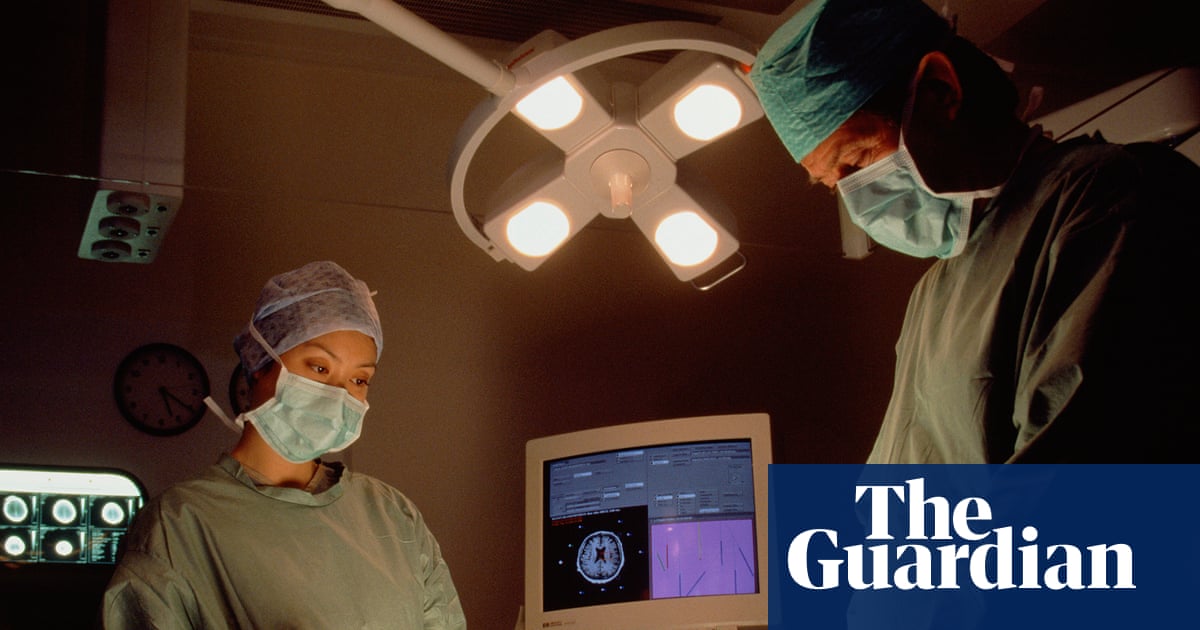
The news from Nottingham should unsettle anyone who has ever waited for a cancer diagnosis. A genomic test developed at the University of Nottingham’s Brain Tumour Research Centre of Excellence can now identify the type of brain tumour while a patient is still on the operating table, delivering results in two hours instead of the eight weeks that has been the standard timeline for years.
The technology itself is not remotely new. Oxford Nanopore produces shoebox-sized sequencing machines that read DNA by passing molecules through nanopores — tiny holes that reveal the genome’s unique signature. The science has been around. What changed is the willingness to run the test in real time, during surgery, rather than in a separate pathology queue.
That distinction matters more than the headline number. Two hours versus eight weeks sounds like a speed breakthrough. The deeper story is that the delay was always structural. Patients were not waiting because science needed more time. They were waiting because the system chose to process diagnoses in batches, not in urgency.
Who Wins and Who Loses
The immediate winners are patients whose tumours require treatment decisions made within days, not months. Primary brain tumours are the single biggest killer of children and adults under 40 in the UK. For these patients, an eight-week diagnostic lag is not inconvenience — it is a gap where treatment gets deferred, clinical trial eligibility expires, and sometimes, survival chances narrow.
Stuart Smith, a consultant neurosurgeon at Nottingham University Hospitals NHS Trust and co-lead of the research centre, put it bluntly. The test gives surgeons detailed information about the tumour at the point when decisions are actually being made in the operating theatre. That is what makes this different from earlier rapid testing approaches — it moves the diagnostic moment from weeks later to the exact moment of intervention.
Prof Frankie Swords, the NHS medical director, called it a huge leap forward with the potential to completely transform brain tumour diagnosis. The language is measured, which suggests the health system recognises the magnitude without overselling it.
But there are losers too, and they are institutional rather than individual. The traditional pathology pipeline loses its centrality. Radiologists and pathologists who built careers around microscopes and tissue samples now share that role with genomic sequencers running in parallel. The five pilot centres — Nottingham, Birmingham, Great Ormond Street, King’s College Hospital, and Newcastle — will need to integrate lab infrastructure directly into surgical workflows. Hospitals that do not adapt will fall behind. Countries that do not invest in similar capability risk falling behind globally.
What Happens Next in the Rollout
NHS England is piloting the tool in those five specialist centres first. After that, the plan is to bring it to Bristol, Oxford, Leeds, and Manchester. The rollout is deliberately staggered, which is both prudent and telling. Real-time genomic sequencing during surgery requires more than machines — it requires trained technicians, revised surgical protocols, and pathological teams willing to work at the speed of a live procedure.
The pilot approach means the NHS will learn by doing. Some centres may hit snags. Sequencing machines may fail mid-procedure. Surgeons may find the data arrives too late to affect intraoperative decisions. That is normal for any healthcare innovation.
But the broader question is whether other health systems will follow. The United States, Canada, Australia, and the EU all have analogous waits for cancer diagnosis. In every case, the eight-week timeline is not a scientific constraint. It is a capacity constraint — a reflection of how many pathologists are available, how many sequencing machines are ordered, how many labs prioritize routine cases over emergencies.
The Global Oncology Implication
The real significance of this test is what it exposes about oncology worldwide. Delayed diagnosis is treated as inevitable, even romanticized as the cost of thoroughness. Physicians tell patients that waiting for final pathology is simply how medicine works. The Nottingham pilot proves that wrong.
Rapid genomic sequencing can deliver accurate results in hours. The limiting factor has always been organizational will, not technological capability. Every health system that chooses to maintain slow diagnostic pathways is making a choice, not following a law of nature.
That framing changes the calculus. When late-diagnosed cancers are framed as unfortunate consequences of careful medicine, the system faces no pressure to change. When they are reframed as infrastructure failures — solvable problems of sequencing capacity and workflow design — the moral and political urgency shifts entirely.
Clinical trial access is one area where speed directly converts to survival. Certain trials have enrollment windows measured in weeks. A patient diagnosed after eight weeks may no longer qualify. The Nottingham test short-circuits that entire bottleneck, opening doors that were previously locked by administrative timelines.
The Uncomfortable Question
If two hours is possible, why did the system tolerate eight weeks for so long? The answer is not complacency. It is inertia — the cumulative weight of existing workflows, budget cycles, and institutional habits that resist disruption. Hospitals order equipment on multi-year procurement timelines. Training programs change slowly. Professional identities are built around traditional methods.
The Nottingham team succeeded because they refused to accept the timeline as fixed. They embedded sequencing into the surgical pathway rather than asking surgeons to wait for results elsewhere. That reconfiguration of process, not just the introduction of new technology, is what made the difference.
The eight-week wait was never medically necessary. It was organizationally convenient. Recognizing that is the most important takeaway from this pilot — not just for the NHS, but for every health system on earth that has told a cancer patient to wait.