Xbox Series X25: Why Microsoft Is Betting $899 on Anniversary Fervor
Microsoft's $899 Xbox Series X25 marks a deliberate pivot back toward premium hardware, bundled with a new Halo title and gated behind strict one-per-customer limits. The move signals that anniversaries now trump generational leaps in Microsoft's strategy.
The Price Is the Story
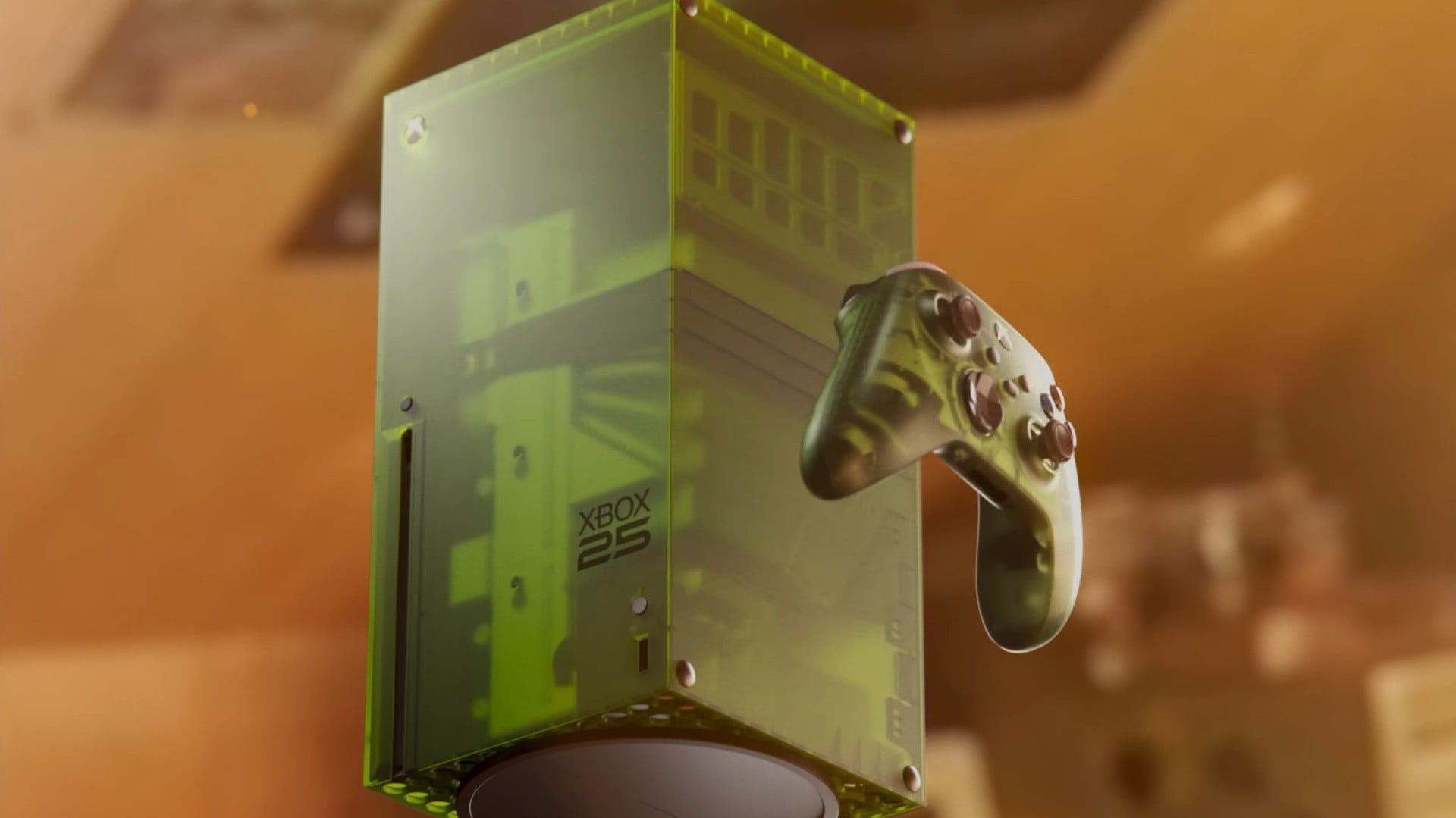
Microsoft just handed the console industry a blunt message: the era of the sub-$500 hardware push is over, at least for the premium tier. The Xbox Series X25, announced at Gamescom 2026, carries an MSRP of $899.99 — nearly double the starting price of the original Series X when it launched in 2020. For comparison, the competing PlayStation 5 Pro sits at $699.99. Microsoft is not just positioning this as a mid-generation refresh. It is positioning the X25 as a collectors’ object first and a gaming machine second.
The $899 figure is not a typo or a regional quirk. It is a calculated ceiling. Microsoft knows the math: this console will not move in mass-market numbers. But it does not need to. The play here is margin per unit, brand signaling, and locking in the most vocal segment of its install base before the competition can react.
How the Launch Is Engineered
The rollout mechanics reveal how much Microsoft is already thinking like a scarcity-driven product company. Pre-orders open to an emailed cohort of loyal customers today, with a general August 27 window at 7 a.m. PDT. Each customer is limited to one unit. The console ships November 13. A separate X25 wireless controller lands October 20 at $79.99 — an explicit attempt to monetize demand even from people who refuse to drop nine hundred dollars on a box.
That controller date is deliberate. It gives the ecosystem product a two-month head start, ensuring that X25-specific peripheral adoption begins well before the console itself hits shelves. It also means reviewers and early adopters can build content around the controller before the main device arrives, extending the news cycle across September, October and November rather than compressing it into a single launch week.
Halo’s Role in the Bundle
Included free is Halo: Campaign Evolved. Naming the title alone suggests a remastered or rewritten take on the original Halo narrative, not a new entry. That is a smart curation choice. Halo is Microsoft’s most recognizable IP, and a first-party Halo title at launch serves two purposes: it justifies the premium price to skeptical buyers and it gives media a concrete thing to benchmark against competing hardware.
What this also signals is a recalibration of Microsoft’s software launch strategy. Rather than using a new console to showcase a completely original IP — a high-risk, high-reward play — Microsoft is leaning on its safest asset. The calculation is defensible. At $899, the last thing the market wants is a gamble. It wants proven value.
Who Wins, Who Loses
The winners here are straightforward. Xbox’s core community gets a tangible artifact tied to the company’s 25th anniversary (founded in 2001). Resellers and secondary-market traders will find a lucrative opportunity — the one-per-customer cap guarantees that scalper demand will be fierce. Microsoft itself gains a high-margin product that reinforces brand loyalty without the development risk of a true next-generation platform.
The losers are less obvious but real. First-time console buyers — the demographic Microsoft has increasingly courted through Game Pass and cloud infrastructure — get priced out entirely. A $899 machine tells them this was never meant for them. The mid-range consumer, the parent buying a second console for a teenager, the casual player who values functionality over collectibility: none of these segments benefit from the X25 launch. In fact, they are subtly discouraged.
Then there is Sony. The $899 vs. $699.99 gap between the X25 and the PS5 Pro is large enough to matter. It gives Sony a clear framing narrative heading into the holiday season: “the better console for the price.” If Xbox cannot defend the premium with a compelling performance leap, the X25 risks becoming a case study in how anniversary marketing can outpace product reality.
What This Means for the Console War
The console war did not end; it paused. And Microsoft’s decision to launch a near-$900 device in 2026 suggests it no longer views hardware volume as the primary battlefield. The battlefield is attention, identity and the emotional loyalty of an existing base. The X25 is not designed to win new customers. It is designed to remind the ones who stayed that they chose well.
That is a philosophically different approach than the aggressive hardware plays of the past. The original Xbox sold at a loss to build a market. The Series X competed on specs against the PS5. The X25 competes on symbolism. It is a birthday gift to the faithful, priced as a luxury good.
Whether this strategy scales beyond the anniversary window remains the unanswered question. If the X25 performs poorly in Q4 sales, Microsoft will have proved that sentiment alone cannot sustain premium hardware pricing. If it sells out and sustains secondary-market premiums through Christmas, it will have proved something far more dangerous: that the console market may be splitting into a collectible tier and a utility tier, with Microsoft owning the former and ceding the latter entirely to competitors.
What Happens Next
n
November 13 is the first test. Pre-order sell-through speed, launch-week review scores and, crucially, how quickly the secondary market prices the console will tell everyone involved whether the X25 is a triumph of branding or a cautionary bet. The controller arriving in October gives the story an early momentum window, but the real verdict will come when the hardware lands and consumers decide whether $899 feels like a celebration or a mistake.
One thing is already clear: Microsoft is no longer playing the same hardware game it played a decade ago. The X25 is a statement. Whether the statement resonates depends entirely on what comes after it.