Zelda Turns 40. Here's Why Western Games Can't Replicate Its Longevity.
Nintendo's Zelda 40th Anniversary Direct isn't just a showcase — it's proof that Japanese game franchises outlast Western attempts by mastering patience, iteration, and cultural stewardship over five decades.
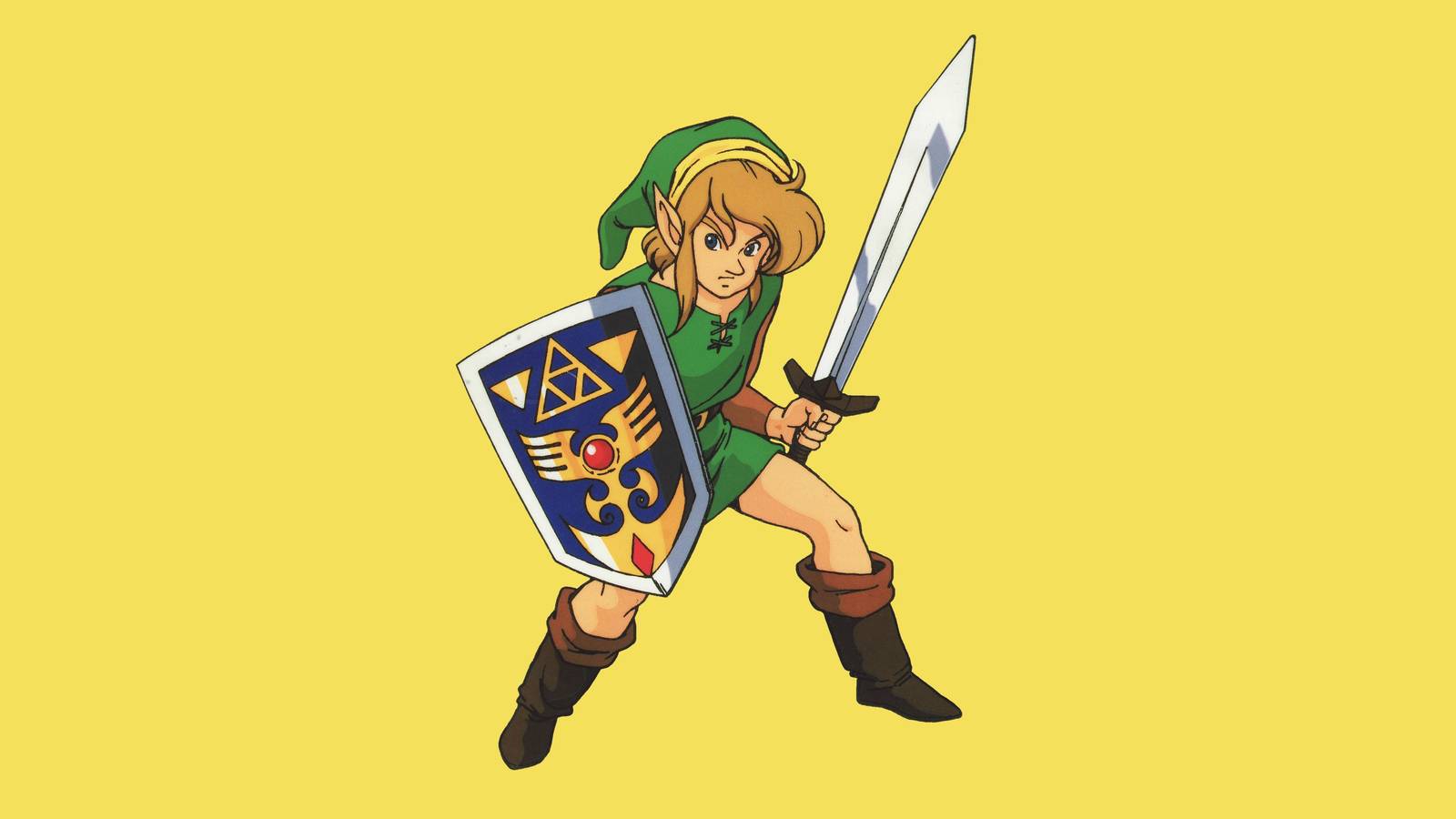
The 40-Year Rule
Nintendo announced its Legend of Zelda 40th Anniversary Direct last week — a 30-minute broadcast slated for September 8, streaming globally on YouTube and Twitch. In that window, fans expect a look at the long-rumored Ocarina of Time remake, hardware reveals for the Switch 2, and perhaps confirmation of remake plans for Wind Waker and Twilight Princess.
But the spectacle isn’t just about new trailers. It’s a milestone that highlights something increasingly rare in gaming: a franchise that has survived four decades without losing its identity, much less selling out.
Western publishers have tried to build rivals to this phenomenon. They have spent billions chasing the next Unreal Engine blockbuster, only to see most of those franchises sputter, rebrand, or get quietly cancelled within a generation.
Zelda didn’t just survive — it deepened. And understanding why matters for anyone watching an industry increasingly obsessed with live-service models, cinematic experiences, and quarterly earnings.
What Zelda Actually Is
The Legend of Zelda began in 1986 on the Famicom. It was not a blockbuster launch — it sold modestly in Japan before finding its audience through word of mouth and later North American releases. What made it special wasn’t spectacle. It was the absence of hand-holding. Players were dropped into a world told almost entirely through environmental clues and trial and error.
That design philosophy never disappeared, even as the franchise evolved. Each entry refined something — Ocarina of Time invented 3D z-targeting in 1998. The Wind Waker chose cel-shaded art when photorealism was the industry standard. Breath of the Wild deconstructed the entire genre in 2017 by removing quest markers and rewards for exploration.
Nintendo’s approach to Zelda is iterative, not revolutionary. That sounds like a weakness. It’s the opposite. Every major entry respects the core loop — explore, solve, grow stronger — while trusting players to figure things out. Western franchises tend to reinvent themselves with each entry, chasing whatever mechanic is trending at the time. Zelda reinvents the presentation, not the promise.
The Western Contrast
Look at the track record of Western fantasy-adventure franchises. Uncharted launched in 2007 and delivered three games over 12 years before the series went dormant. Sony has publicly discussed reviving it, but the window for that nostalgia cycle may already be closing.
A Plague Tale ran for two titles across eight years and already feels like a finished saga with no clear path forward. Dragon Age continues, but sales pressures have forced BioWare to recalibrate repeatedly. The Last of Us has become a premium franchise, yes — but one with a three-year gap between entries and a third game whose existence has been confirmed but not detailed in years.
Even Assassins Creed, one of the few Western franchises that approaches Zelda’s output volume, has undergone constant genre-mashing — shooter, RPG, action — trying to find its center. It hasn’t settled. Fans keep debating whether the latest entries are “true” Assassin’s Creed games.
Zelda never had this identity crisis. Not once in 40 years has Nintendo confused what the franchise is about. That consistency is not accidental. It reflects a corporate structure that prioritizes long-term brand health over short-term quarterly gains — something fundamentally alien to most Western publishers answerable to public markets.
The Business of Patience
Nintendo’s annual revenue from Zelda spans hardware, software, merchandise, and licensing. The upcoming live-action film, announced for April 2027 by Sony Pictures, represents another revenue stream built on four decades of accumulated goodwill. That’s not a desperate cash grab — it’s the harvest of patient cultivation.
Western publishers typically treat IPs as portfolios. If one title underperforms, they pivot or cancel. If a genre falls out of favor, they abandon it. Zelda treats the franchise like a garden. You come back every few years. You water it. It grows.
This shows in the hardware strategy too. The expected Switch 2 Zelda bundles — themed console, matching Joy-Cons, a Pro Controller — aren’t flash-in-the-pan merch. They’re infrastructure for an ecosystem designed to carry the franchise forward for another decade minimum.
Nintendo’s follow-up Direct the next day suggests the company isn’t resting on one announcement. This is a sustained push, not a single-event gamble. The message is clear: Zelda isn’t a product. It’s a platform for Nintendo’s identity.
Why This Matters Beyond Gaming
The 40th anniversary of The Legend of Zelda is, by any measure, a pop-culture milestone. No Western video game franchise has maintained this kind of coherence across four decades and multiple hardware generations. Mario is close, but its scope is narrower — primarily platforming. Zelda spans action-adventure, puzzle, RPG, and open-world design, constantly proving the formula can absorb new ideas without breaking.
For the rest of the industry, Zelda is a cautionary tale and a blueprint. It proves that patience pays. That respecting your audience’s intelligence builds loyalty. That you don’t need to chase every trend to stay relevant.
The September 8 Direct will deliver about 30 minutes of content. But what it represents — a franchise that started on an 8-bit machine and still commands global attention on hardware that doesn’t even exist yet — is worth far more than a trailer countdown. It’s proof that in an industry obsessed with the next big thing, the biggest thing might just be the one that refuses to change its fundamental nature.