AI Memory Demand Is Breaking the Cheap Legacy Electronics Deal
NVIDIA just hiked its 7-year-old streaming box by 50%. Amazon's Kindle and Echo Dot saw similar jumps. The culprit isn't inflation — it's AI servers gobbling up the memory that cheap electronics depend on.
The Old Strategy No Longer Works
For years, the playbook was simple: if you wanted a cheap electronics deal, wait. Skip the launch year, buy the secondhand model, or grab the outdated version still on shelf. Manufacturers kept producing older designs long after newer ones arrived, and those legacy SKUs became the budget gateway into tech.
That strategy just broke. Not because of broad inflation or tariff chaos, but because something far more specific is squeezing the supply chain — AI servers are consuming memory at a pace that is pulling it away from everything else.
What Actually Happened
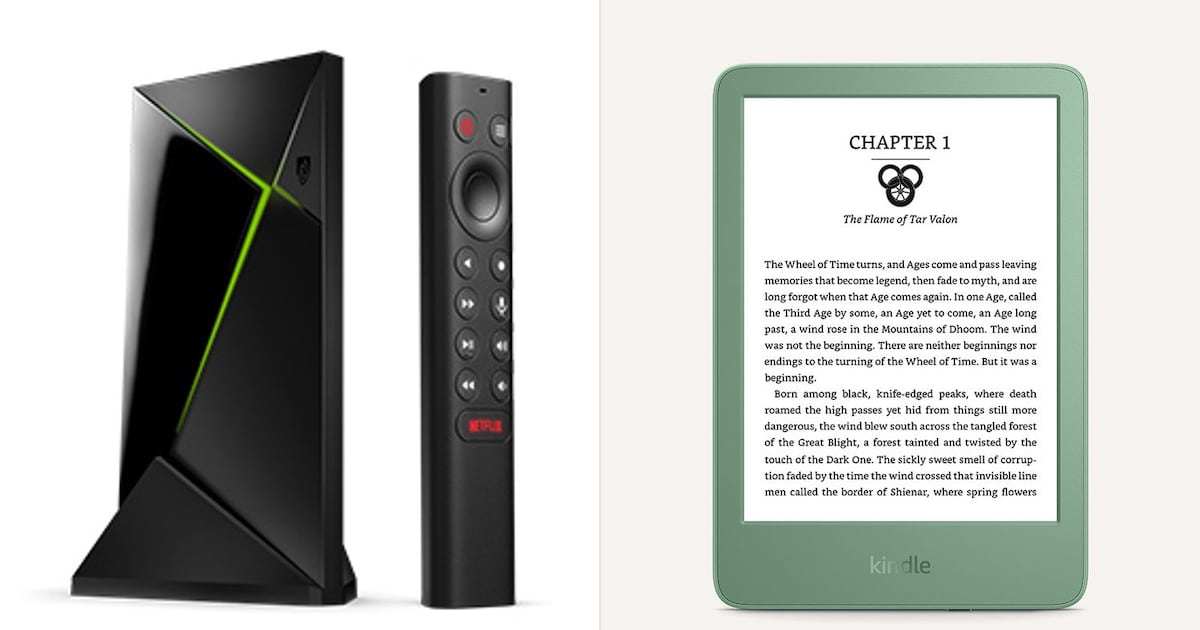
NVIDIA raised the US price of its Shield TV Pro from $199.99 to $299.99 this week. That is a 50 percent increase. The device launched in 2019. It is not a new product. There is no new chip inside it, no re-engineered board, no updated hardware generation justifying the premium.
Amazon did something similar with its basic 16GB Kindle, hiking the price from $109.99 to $149.99 in August — a 36 percent jump on a model released the prior October. The Echo Dot smart speaker saw an even sharper climb, with Tom’s Guide reporting roughly a 60 percent price increase last month. Amazon acknowledged the moves, attributing them to memory and component cost inflation that it could no longer absorb internally.
These are not isolated incidents. They are symptoms.
The Real Bottleneck Is Memory
The common denominator across all these products is DRAM. Every streaming box, every e-reader, every smart speaker needs memory. Not the kind used in data centers — smaller, cheaper consumer-grade chips. But that distinction is disappearing.
TrendForce reported last month that memory manufacturers are prioritizing server-grade DRAM for AI infrastructure because the margins are simply too attractive to ignore. When you can make significantly more profit per chip selling to an AI company than selling to an Amazon or NVIDIA, you shift production lines. The result is a supply shortage for consumer electronics.
This is the second-order effect of the AI boom that most observers have yet to fully absorb. The conversation has been dominated by GPU prices, data center buildouts, and enterprise spending. Far fewer people are tracking what happens to the rest of the electronics market when the memory supply chain tilts toward one sector.
Why Legacy Products Are Hit Hardest
Older devices should theoretically be cheaper to produce. They use mature designs. They are manufactured at scale. That logic assumed component costs were stable or declining — the normal trajectory for established electronics.
But here is the problem: NVIDIA and Amazon are not selling leftover inventory from 2019 and 2022. They are actively manufacturing these devices right now. The design may be seven years old, but the memory chips inside them are being purchased at current market prices. And current market prices for consumer DRAM have been pushed up by AI demand.
This means legacy products lose their price advantage from both sides. They cannot benefit from component cost declines the way they once did, and they cannot offload inventory at thin margins because their bills of materials have effectively reset upward.
For products with already slim margins — streaming boxes, entry-level Kindles, basic smart speakers — there is nowhere to hide. These categories are not designed to absorb sudden 30 to 50 percent cost increases. The math forces a price hike or a discontinuation.
Who Wins and Who Loses
Memory producers clearly win. They have pricing power on both ends of the spectrum — selling high-margin AI server chips and redirecting whatever consumer-grade capacity remains at elevated prices.
AI infrastructure builders win too, securing the memory they need even as consumer markets tighten.
Consumers lose. Not just the people buying streaming boxes and e-readers, but anyone who relied on the old strategy of waiting for prices to drop on older models. That patience-based bargain no longer exists when the floor under component costs has risen.
Chinese manufacturers and second-tier electronics brands face the same pressure but without the pricing power of NVIDIA or Amazon. They cannot announce a clean 50 percent hike and expect customers to accept it. They will either have to quietly reduce specs — smaller memory capacities, cheaper flash storage — or exit categories altogether.
What Comes Next
This pattern is not confined to the US or South Korea. The same memory supply dynamics apply wherever consumer electronics are manufactured. European and American retailers sourcing devices from Asian factories will face identical cost pressures, though the public narrative may differ.
The most likely outcome over the next 12 to 18 months is a quiet migration toward smaller memory configurations rather than headline-grabbing price hikes. We already see early signals: buyers reporting a preference for lower-capacity memory cards because the cost differential has become noticeable at the point of purchase.
NVIDIA’s decision to raise the Shield TV Pro price rather than kill the product signals that they see enough remaining demand to justify the higher sticker. But demand at $300 is a different curve than demand at $200. If sales soften, the product will not get cheaper — it will disappear. That is the more realistic endgame for many legacy devices.
The deeper implication is that the AI economy is no longer a separate track. It is rewriting the cost structure of everyday technology. The next time someone tells you to wait a year for a better deal on an older model, the assumption behind that advice may no longer hold.