Air Force One Closes Its Doors to CNN, and Something Else Goes With It
The White House has blocked CNN from Air Force One travel, marking a new phase in its pressure campaign against the press. The real danger isn't the ban itself — it's the erosion of the press pool system that governs how presidential coverage works.
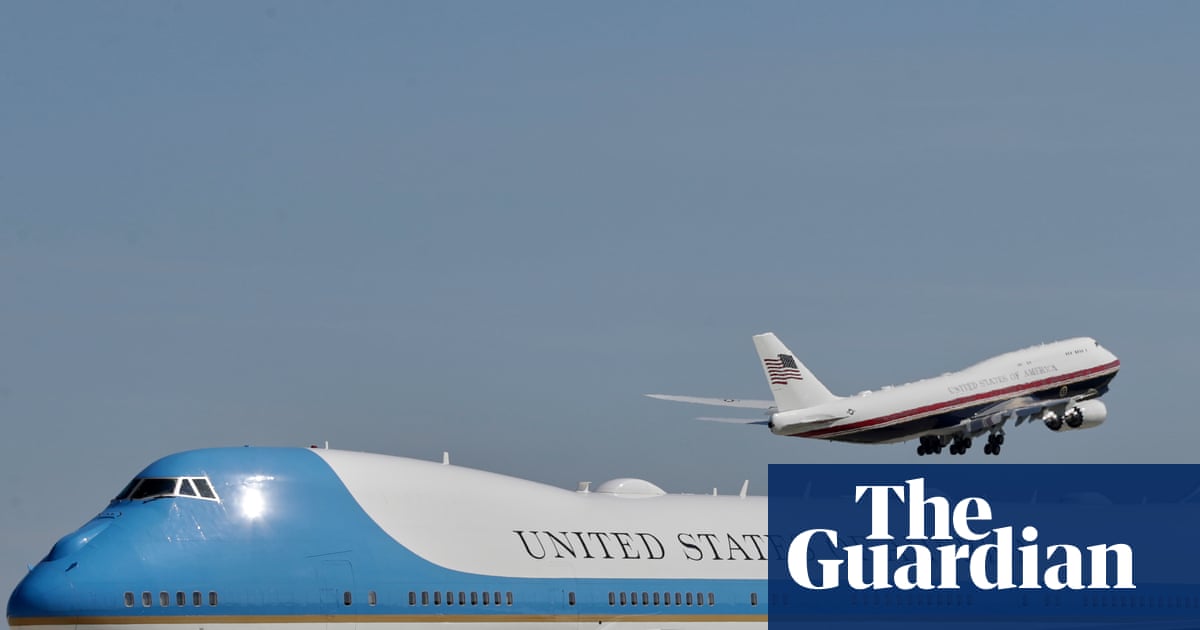
The Ban That Wasn’t a Ban
The White House didn’t officially ban CNN. It simply removed the network from the Air Force One press pool for a Saturday flight to Tennessee, where Donald Trump was heading to a college football game. No statement. No reasoning. Just a press guidance document that left CNN off the roster.
This matters more than a single cancelled flight. It reveals how the Trump administration has redesigned the machinery of presidential coverage — and is now using that machinery to punish outlets it dislikes.
The press pool is a rotating group of journalists from different news organizations who travel with the president and share their footage and reports back to the networks and outlets that didn’t make the trip. Historically, the White House Correspondents’ Association coordinated pool assignments fairly. Since Trump’s second term began in 2025, the White House has taken over that function. That shift gave the administration a lever — and it has been pulling it ever since.
A Timeline of Escalation
The pattern is clear if you trace the weeks backward. A week before the Air Force One exclusion, Trump revoked White House access entirely for CNN, MS Now, and Politico. He framed it as retaliation for unfavorable reporting, posting on Truth Social that “Media Outlets shouldn’t be able to constantly write or report FICTION and LIES.”
The White House television press pool responded by suspending its video coverage of Trump in protest — a rare institutional pushback. CNN, MS Now, and Politico filed a lawsuit arguing the blanket ban violated the First Amendment. The Department of Justice pushed back with a novel justification: the bans served national security interests because these outlets had published stories involving “sensitive” and “classified” information.
U.S. District Judge Timothy Kelly sided with the outlets. He ordered the administration to restore their White House credentials. CNN and the others were eventually let into the building on a Thursday morning — hours late, after a deliberate delay.
Then came the next move. Even with their credentials technically restored, CNN and an MS Now reporter were blocked from covering the state dinner for Chinese President Xi Jinping later that same day. The White House found a new door to close.
And now, the Air Force One pool exclusion — a clean, quiet removal that doesn’t require a press secretary’s statement or a court challenge. It simply doesn’t list the outlet.
Why the Pool System Is the Real Target
Blocking CNN from Air Force One isn’t just about keeping one network off a plane. It’s about controlling the narrative flow from the most visible platform in American politics. Air Force One pool coverage is how thousands of journalists who aren’t traveling still get video of the president at work. When CNN is excluded, its viewers don’t just miss a story — they miss the shared visual record of a presidential event.
The deeper problem is structural. The press pool was designed to be a democratic equalizer: every major outlet gets a turn, and what the pool captures becomes available to everyone. By seizing control of pool assignments, the White House has turned that system into a gatekeeping mechanism. Assign a disfavored outlet to a low-profile event or exclude them entirely, and you shape what the public sees without ever having to publicly justify the choice.
The Supreme Court has never ruled on whether the First Amendment guarantees press access to presidential travel. That gap is what makes this moment significant. Every time the administration tests the boundary — first with outright bans, then with access delays, then with pool exclusions — it is probing how far it can go before the courts draw a line.
The National Security Pretext
The DOJ’s argument that restricted access serves national security is troubling on its face. If an outlet has genuinely mishandled classified information, the proper recourse is prosecution under espionage laws, not the selective denial of press credentials. Conflating unfavorable reporting with information security creates a precedent that any administration could exploit: label critical coverage as a threat, and the press loses its footing.
Judge Kelly rejected that logic when he restored access. But his order was narrow — it addressed the blanket ban, not the incremental tactics that have followed. The administration has not stopped pressuring CNN. It has simply changed the method.
What Happens Next
The Justice Department will likely appeal Kelly’s ruling. Until that appeal is resolved, the White House is operating in a gray zone: it must technically allow CNN access, but it finds new ways to limit where that access goes. Expect more late entries, more excluded events, more quietly rewritten pool guidance.
For the press pool, the lesson is stark. The suspension of coverage was a moment of principle, but it didn’t stop the escalation. Institutional pushback has failed to create a durable shield.
For CNN and the other targeted outlets, the path forward is litigation — more lawsuits, more injunctions, and a slow legal grinding against an administration that treats every court loss as a temporary setback rather than a final word.
For readers, the cost is harder to quantify but real. When one network is systematically excluded from presidential coverage, the public loses a window into the presidency that those outlets’ audiences depend on. The pool system was supposed to prevent exactly this kind of fragmentation. Right now, it is doing the opposite.
The Air Force One ban is small on its surface. That is precisely why it is dangerous. It shows an administration that has learned how to squeeze the press without leaving a paper trail — one quietly edited dispatch at a time.