Aniplex Takes the Grail: Why the Fate/EXTRA Publisher Swap Matters Beyond Japan
Aniplex has taken over publishing of the long-delayed Fate/EXTRA Record from Bandai Namco, a move that signals a deeper strategic consolidation of the Fate IP. The question isn't just who's selling the game—it's what this says about Aniplex's ambitions for one of anime's most valuable franchises.
The Announcement That Looks Small but Isn’t
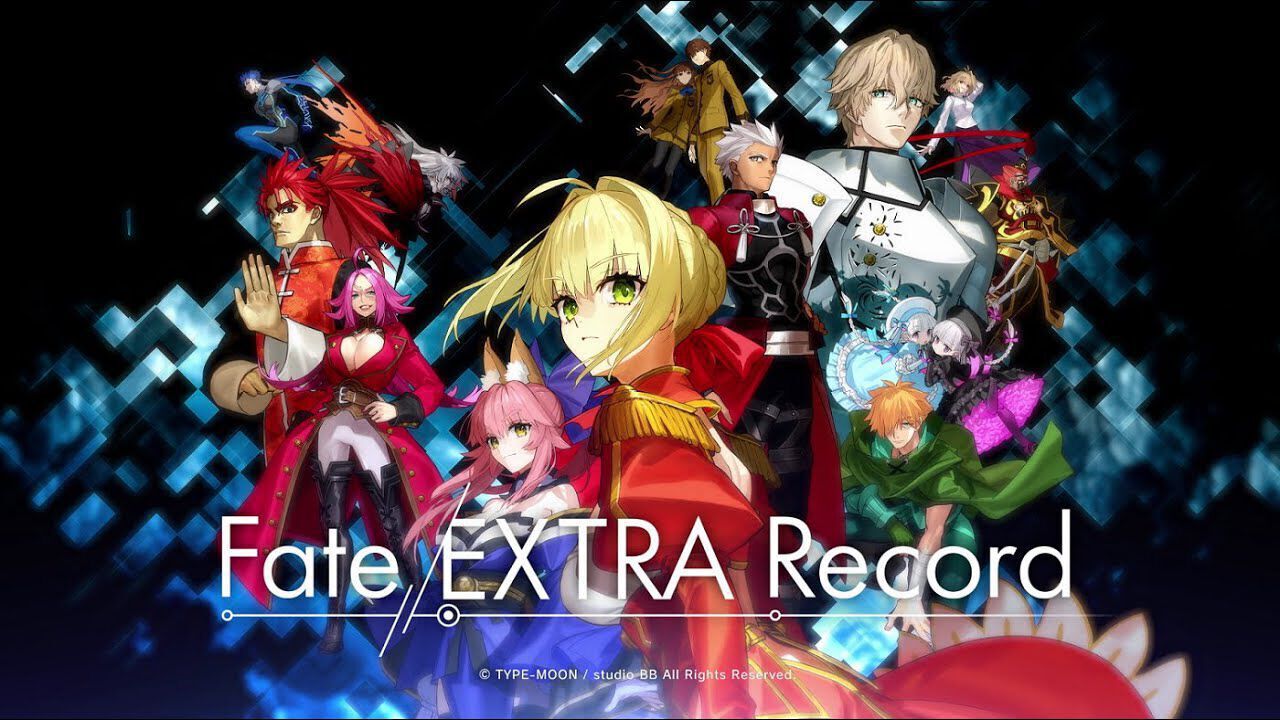
On August 26, 2026, Aniplex issued a terse press release confirming what the industry had already been speculating about for months: the full remake of Fate/EXTRA, titled Fate/EXTRA Record, would no longer be published by Bandai Namco Entertainment. Instead, it would ship under Aniplex’s banner, developed by Meteorize — a studio whose credits include Atelier Resleeria and BLEACH Rebirth of Souls. No release date. More information coming in September.
On the surface, this is a corporate reassignment. In reality, it’s a signal flare from one of Japan’s most strategically active companies about where it wants to put its money in the Fate ecosystem.
Why This Matters
The Fate franchise is one of the rare Japanese IPs that genuinely spans continents. It began as a visual novel in 2004, exploded into a multimedia juggernaut through Type-MOON’s Fate/stay night, and has since generated billions in revenue across anime, games, merchandise, and theme parks. But like any sprawling franchise, it has always suffered from a fundamental problem: too many cooks, not enough alignment.
When Bandai Namco published Fate/EXTRA in 2010 — a dungeon-crawling RPG set in the virtual world of SE.RA.PH. — it occupied a strange middle ground. The game was beloved by a niche audience, financially modest by franchise standards, and ultimately seen as a commercial risk that never quite paid off. The original Fate/EXTRA was also Type-MOON’s only foray into the console RPG space, which makes its sequel/remake Record something of a second chance — for both the studio and the platform.
The March 2026 announcement that Bandai Namco was stepping away from Record was already notable. Publishers don’t typically withdraw from high-profile projects this late in development unless something is wrong. And indeed, the reasons were likely multifaceted: production delays, internal restructuring, and perhaps a broader recalibration of Bandai Namco’s priorities within the Fate portfolio, which includes the massively successful Fate/Grand Order mobile title (developed by Delightworks, published by Aniplex) and various other spin-offs.
Industry insiders have pointed to several converging pressures. Bandai Namco faced its own publishing lineup compression in 2025 and 2026, with major commitments to Dragon Ball and Tales titles demanding resources. Simultaneously, Aniplex was expanding its gaming division aggressively, having already proven it could manage the Fate/Grand Order ecosystem — a title that consistently pulls in nine figures annually. The pieces were always moving toward a handoff; the question was simply when Aniplex would pull the trigger.
Aniplex’s Play
Aniplex’s takeover is not neutral. This is a company that has been systematically consolidating control over the Fate IP for years. It publishes Fate/Grand Order, the franchise’s cash cow. It produces the anime adaptations. It handles merchandise licensing. Taking over Fate/EXTRA Record completes a circle — Aniplex now controls the full remake of the game that started it all in the interactive space.
This matters for three reasons.
First, creative coherence. When a single entity oversees both the anime and the game versions of a franchise, there’s a better chance that promotional content, release timing, and narrative adjustments align. The Fate anime and game tracks have often diverged — sometimes to the frustration of fans who want a unified experience. Aniplex now has the infrastructure to attempt that alignment, even if Record remains a separate entry point. This is not theoretical: Fate/Grand Order’s anime tie-ins under Aniplex’s supervision have already demonstrated tighter cross-media coordination than anything the franchise achieved previously.
Second, the development situation. Meteorize is not a household name, but it’s a competent studio with experience in the RPG space. Its selection suggests that Aniplex is willing to take creative risks rather than defaulting to in-house development or a major publisher’s proven formula. This is a smaller team working on a bigger franchise — a signal that Aniplex is prioritizing cost efficiency over brand-name development. The financial calculus here is significant: Fate/EXTRA Record is unlikely to match Fate/Grand Order’s revenue, but it occupies a different strategic position. It’s a premium console/PC title that reinforces the franchise’s credibility in core gaming markets, which in turn supports the broader multimedia machine. Aniplex is treating it as an investment in brand equity rather than a standalone profit center.
Third, the timing. The original Fate/EXTRA launched in 2010. Its sequel, Fate/EXTRA CCC, followed in 2013. Nearly two decades later, we’re still talking about remakes and re-releases. The delay is unfortunate, but it’s also telling: the Fate franchise has a long development cycle, and Aniplex’s decision to absorb the project suggests it’s playing the long game rather than seeking quick returns. This is consistent with Aniplex’s broader pattern — the company has shown willingness to nurture projects over extended timelines when it believes in their strategic value.
Second-Order Effects
The implications extend beyond the immediate game. For Bandai Namco, the exit from Record marks the beginning of a quieter role in the Fate franchise. The company will likely remain involved in merchandise distribution and certain regional publishing deals, but the era of Bandai Namco as Fate’s primary game publisher is effectively over. This shift could reshape how other franchises under Bandai Namco’s umbrella are managed — the company may lean harder into properties where it holds exclusive development relationships rather than competing with its parent-group sibling, Aniplex, for creative control.
For Meteorize, the opportunity is significant but risky. The studio gains access to one of anime’s most recognizable IPs, but it also inherits a project with a troubled history and a fanbase that has waited over a decade. A misstep here could damage the studio’s reputation; a success could establish it as a credible partner for high-profile anime game adaptations. Industry observers note that Meteorize’s work on BLEACH Rebirth of Souls — while not a critical darling — demonstrated competence in handling anime IP adaptations, which may have factored into Aniplex’s decision.
For Type-MOON itself, the situation is nuanced. The studio has always maintained creative autonomy over its IP, even as publishing and production partners came and went. Fate/EXTRA Record’s move to Aniplex doesn’t necessarily change Type-MOON’s day-to-day involvement, but it does remove a potential friction point. Where Bandai Namco’s priorities occasionally diverged from Type-MOON’s vision — particularly around marketing spend and release timing — Aniplex’s incentives are more closely aligned. Type-MOON’s president, Kinoko Nasu, has publicly expressed his attachment to the Fate/EXTRA series, and an Aniplex partnership may give him more influence over how Record is ultimately presented.
The Bigger Picture
This publisher swap is a microcosm of a larger trend in Japanese gaming and anime production: the consolidation of multimedia franchises under vertically integrated companies. Aniplex, as part of the Sony Music Entertainment Japan umbrella, brings financial stability and global distribution channels that neither Bandai Namco nor independent developers can match. The company’s strategy mirrors what we’ve seen in Western markets — Disney’s acquisition of Lucasfilm, Amazon’s investment in game studios — but executed with far more restraint and patience.
The risk, of course, is creative homogenization. When one company controls too much of a franchise’s output, the diversity of voices that made the Fate universe compelling can diminish. The franchise has always thrived on its multiplicity — different writers, different studios, different interpretations of its core mythos. Aniplex’s consolidation could streamline production, but it could also flatten the creative edges. The challenge ahead will be maintaining the franchise’s pluralistic spirit while benefiting from unified strategy.
What to Watch
September’s follow-up announcement will be critical. If Aniplex reveals a concrete release date, a new trailer, or — perhaps most importantly — a clear vision for how Fate/EXTRA Record fits into the broader Fate narrative, then this publisher swap looks like a well-calculated move. If the update is similarly vague, it may suggest that Aniplex is absorbing the project not out of strategy but out of necessity, cleaning up after Bandai Namco’s exit.
Beyond that, watch for three developments: whether Aniplex announces a simultaneous Japanese and international release (a sign it’s treating Record as a global product rather than a niche import), whether Type-MOON’s Nasu appears in any promotional material (a strong signal of creative investment), and whether Fate/Grand Order sees any narrative cross-pollination with Record’s SE.RA.PH. setting — something fans have speculated about for years.
Either way, the era of Bandai Namco as the primary publisher for the Fate franchise appears to be winding down. Aniplex is now the gatekeeper. For fans of Fate/EXTRA Record, that means hope — and a healthy dose of caution — as the game finally moves closer to the finish line it seems destined to never cross.