GTA VI Trailer Reveals Japan's Censorship Dilemma
Japanese fans celebrate GTA VI's PS5 visuals while fretting over CERO ratings. The tension between global demand and local regulation could shape the game's worldwide release.
The Visuals Are a Benchmark—But So Is the Anxiety
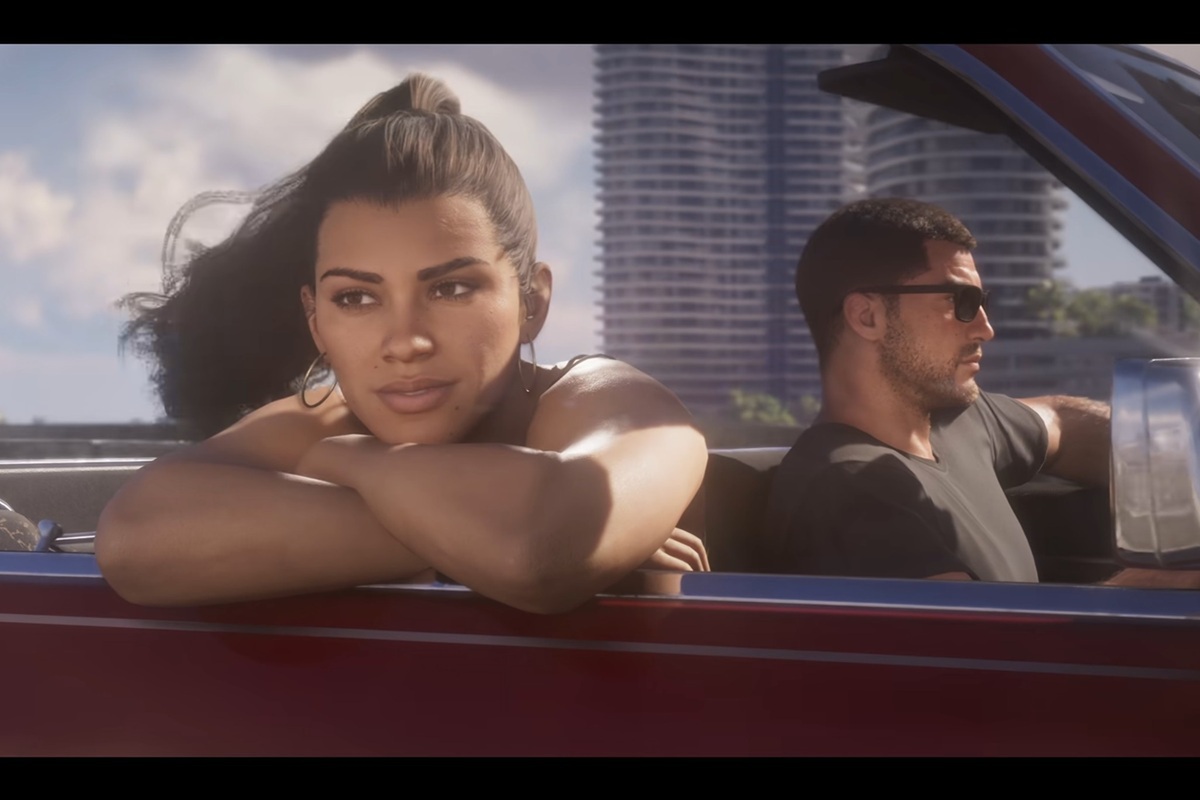
Rockstar Games dropped the Grand Theft Auto VI launch trailer on October 15, and Japanese fans didn’t just praise its PS5 fidelity. They also voiced a sharp, immediate concern: what will CERO do to it?
The 1 minute 30 second clip, set to Justice’s “Flower in a Hurricane,” shows Vice City streets rendered with a density and texture that many called “エグい” (crazy) for a PS5 game. Fans queued up with reactions like “待ちきれねぇよ” (“can’t wait”) and “生きる希望がこれしかない” (“this is my only hope for living”). The excitement mirrors global hype, but beneath it runs a distinctly Japanese thread of dread.
“We’re scared it’s under CERO review right now,” one user wrote. “CERO, don’t mess things up.” Another pleaded, “Just let us have this one time as we like it.” As of this writing, no CERO rating has been published, leaving players to imagine worst-case scenarios: muted violence, toned‑down sexual content, or cutscenes replaced with stills.
The tension is not new for Japan’s gaming market. CERO (the Computer Entertainment Rating Organization) has a history of demanding changes for titles that push boundaries. When Metal Gear Solid V: The Phantom Pain faced delays and edits over its final mission, fans watched as global releases were adjusted to meet local standards. When Killing Floor 2 was banned outright for its gore, the message was clear: some content simply does not cross the line.
GTA VI, with its reputation for satire, explicit language, and adult situations, sits squarely in the crosshairs. Rockstar has never been shy about including mature themes, and the series has always tested the limits of rating boards worldwide. In Japan, those tests have sometimes resulted in significant cuts.
A Pattern of Compromise—and Backlash
This is not the first time a major Western title has collided with CERO’s guidelines. The organization operates under Japan’s Youth Healthy Development Ordinance, which restricts the sale of media deemed harmful to minors. Unlike the ESRB in North America or PEGI in Europe, CERO has occasionally demanded editorial changes before granting a rating—a practice that foreign publishers must either accept or forfeit the Japanese market entirely.
Past confrontations have shaped industry expectations. Max Payne 3 saw its cover altered and certain dialogue rewritten. Bioshock Infinite had its iconic scene with Lady Comstock heavily edited. The Yakuza series, developed domestically, navigates these waters with careful self-censorship—but Western imports rarely receive such nuanced handling.
For GTA VI, the stakes are uniquely high. The franchise is not merely another AAA release; it is a cultural touchstone. Each installment has redefined open-world design, narrative ambition, and social commentary in gaming. Japanese fans understand this. Their anxiety is not about gore alone—it is about whether the game’s satirical edge will be dulled into a palatable product.
Who Wins, Who Loses
If CERO imposes strict alterations, several parties feel the pinch.
Consumers win when the final product matches the marketed vision. The trailer’s visual spectacle is a major selling point; any downgrade undermines the trust built around it. Fans who pre‑ordered or plan to spend ¥9,800 (standard edition) or ¥12,280 (ultimate edition) expect a complete experience. When that expectation is unmet, the result is not merely disappointment—it is a erosion of confidence in future releases.
Rockstar loses creative control and faces additional production costs to create a separate Japanese version. The company has invested heavily in a unified narrative and aesthetic; segmenting it risks fragmentation and potential leaks that could spoil the global rollout. More importantly, it sets a precedent: if one publisher yields to restrictive regulation, every major studio will face the same pressure for future titles.
Retailers and platforms bear the logistical burden of managing different SKUs, marketing angles, and release dates. Sony and Microsoft may need to adjust store pages, while physical distributors must handle packaging changes—a costly exercise when the release is just over a month away. The PlayStation Store, in particular, would need to reconcile two versions of the same product, potentially confusing consumers and generating support requests.
CERO itself stands to gain credibility if it enforces its guidelines consistently, but public backlash could paint it as an obstacle to artistic expression. The organization’s mandate is to protect consumers, particularly younger audiences, from harmful content. Yet when a title is already rated M (Mature) in North America and 18+ in Europe, Japanese regulators face scrutiny for being overly restrictive. The perception that Japan lags behind global norms in media freedom is not new—and a heavy-handed approach to GTA VI would reinforce it.
Global fans watch from afar, hoping the Japanese release does not become a watered‑down echo of the original. Many online communities have historically coordinated pressure campaigns against censorship, using hashtags and petitions to rally support. The #CERODoesntDefineArt campaign that surfaced during the Killing Floor 2 controversy serves as a template: organized, vocal, and persistent.
Second-Order Effects: The Ripple Beyond Japan
The implications extend well beyond a single market. If CERO demands significant cuts to GTA VI, other publishers may preemptively alter their own content to avoid lengthy negotiations. This could lead to a chilling effect, where creative risks are self-censored before they ever reach rating boards. The global gaming landscape might gradually homogenize, with the most restrictive regulations setting the de facto standard.
Alternatively, a firm stance from Rockstar—refusing to compromise on core content—could embolden other studios to challenge CERO’s authority. The financial leverage of a title like GTA VI is enormous; if Rockstar can withstand the pressure, it would signal that even the most restrictive markets must accommodate global creative visions. Such a precedent could reshape industry dynamics for years.
There is also the question of digital distribution. Japan’s gaming market has increasingly shifted online, with physical sales declining. If CERO’s requirements make digital delivery complicated—requiring region-locked builds or separate patch deployments—the friction could push Japanese players toward importing versions, undermining the local release entirely. Retailers, already squeezed by thin margins, may lose faith in future AAA launches.
What Happens Next
The release date is locked for November 19, 2026. Pricing is set: ¥9,800 for the standard package (physical and digital), ¥12,280 for the download‑only ultimate edition. The physical version will be PS5‑only, leaving Xbox Series X|S players to rely on digital stores.
Rockstar has not yet commented on CERO negotiations. Historically, the company attempts to submit content that meets international standards while making minimal concessions to local regulators. If compromises are reached quietly, the Japanese version may differ only subtly. If negotiations stall, delays or additional cuts could surface closer to launch.
Industry observers note that the GTA franchise’s financial stakes are enormous. A single copy sold at $70 USD generates millions in revenue; any disruption to the Japanese market—home to the world’s third‑largest gaming economy—could cost Rockstar tens of millions in lost sales and opportunity.
Social media sentiment already indicates that Japanese players are bracing for compromise. The viral quotes “この段階でCERO審査予定なのが怖い” (“scared it’s under CERO review at this stage”) and “今回だけは好きにさせて” (“just let us have this one time as we like it”) reflect a broader fatigue with perceived overregulation.
The Countdown Continues
For now, the world waits. November 19 approaches, and with it the answer to a question that has haunted every major Western game release in Japan for decades. Will CERO carve away the edges of Rockstar’s vision? Or will the publisher stand firm, forcing regulators to accept content as it was meant to be experienced?
Whatever the outcome, the episode will reverberate. It will influence how future titles navigate the Japanese market, how consumers view rating organizations, and how globally coordinated release strategies account for regional friction. The trailer gave us a glimpse of Vice City at its most vibrant and detailed—but the real story is what lies beneath: a clash between creative freedom and regulatory control that defines the modern gaming era.
On November 19, the world will learn whether Rockstar’s vision survives intact in Japan—or whether the familiar dance between creator, regulator, and consumer rewrites the script once again.