How Apple's Foldable iPhone Shifts Everything
Apple's iPhone Duo sold out on launch day, forcing every Android rival to recalibrate. The real story isn't the cult lines — it's what the demand signals for component suppliers and the competitive landscape.
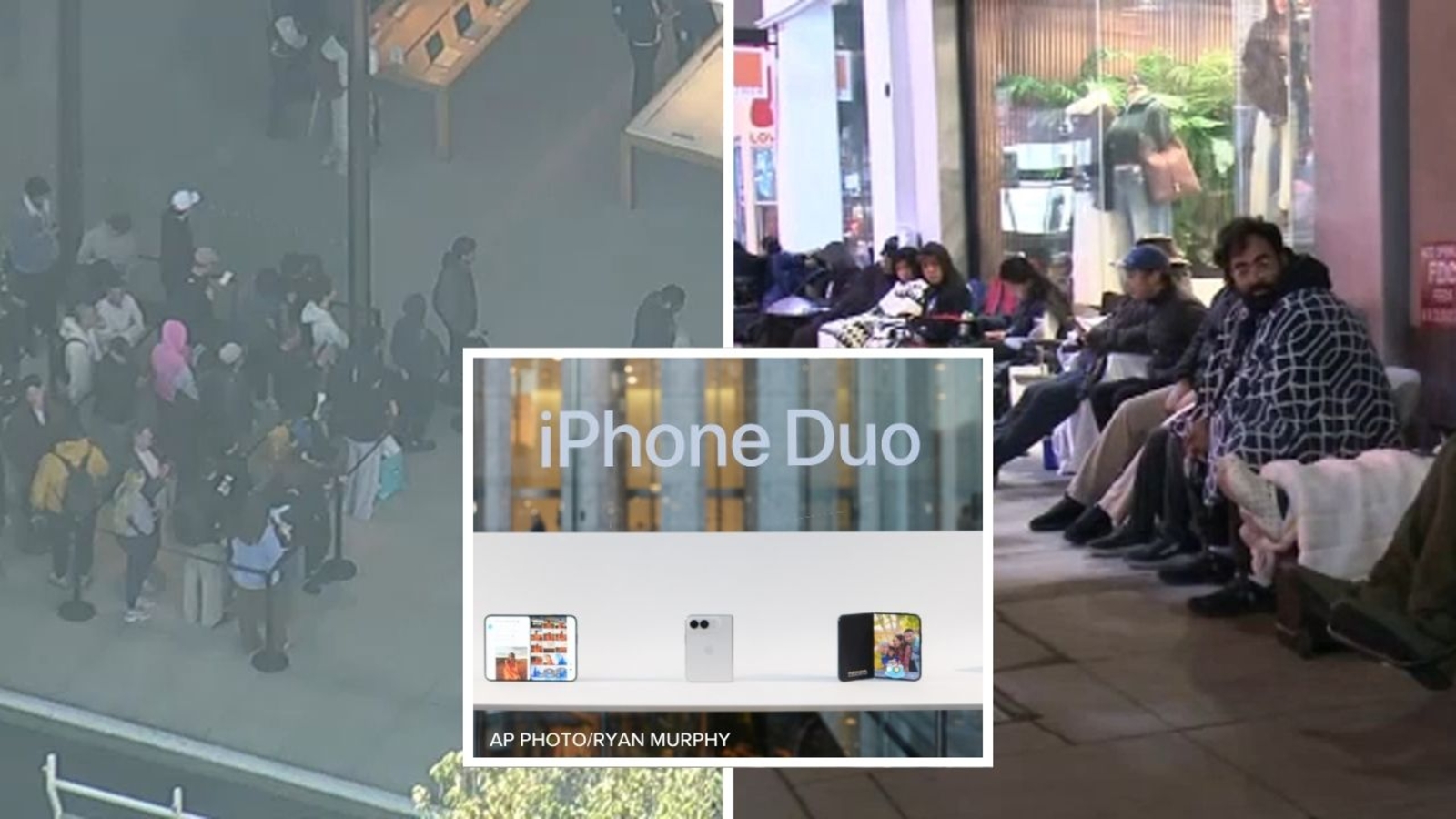
The Lines Aren’t the Story
The images from Pasadena, The Grove, and Santa Monica tell the familiar Apple story: fans camping overnight, pre-order failures driving in-person visits, a sense of community around something that sells for just under $2,000. Those visuals will circulate for days. But the iPhone Duo’s actual significance goes far beyond another sold-out launch.
Apple’s first foldable, arriving on October 23, 2026, doesn’t merely enter a market — it reconfigures one that Samsung, Huawei, Oppo, and Xiaomi have been battling over for nearly half a decade. And the fact that supply couldn’t keep up with demand tells a more urgent story than any headline about camping fans.
What made this launch distinct was the intensity of the sellout. Pre-orders opened on October 9 and were exhausted within forty-eight hours. Apple’s own channels flagged inventory levels that dropped to near zero for the 256GB model within the first morning. The company extended its retail hours at key stores in major markets, but the bottleneck was never the stores — it was the supply chain itself.
That bottleneck is the real signal. When a product selling near $2,000 sells out on day one despite pre-orders being available, it signals demand that significantly exceeded Apple’s internal projections. That is a problem for component suppliers, not a celebration. It is also a problem for customers who wanted one and didn’t get it, and it is a problem for every competitor watching a rival validate a category they themselves have yet to crack with the same force.
The Foldable Floor Has Shifted
Samsung shipped its first Galaxy Z Fold in 2019. By 2026, the category has matured enough to command serious attention from Chinese manufacturers and Google, yet it remains a premium niche — roughly 5 to 7 percent of global smartphone shipments. Samsung has held that space through iteration: thinner hinges, better durability, more software optimized for large screens. The company built what amounted to a moat through sheer persistence, investing billions in a form factor that much of the industry dismissed as a gimmick for most of that period.
Apple didn’t need to innovate the foldable itself. It needed to make one that an iPhone user wouldn’t hate using. The virtually crease-free display and pocketable folded form factor signal a deliberate bet that Apple has already solved — or outsourced the solution to — the engineering problems that kept earlier foldables frustrating. Sources close to the development process indicate that Apple spent years evaluating hinge designs and display laminates before committing to the final architecture, and that it licensed certain technologies rather than building them entirely in-house. That approach is very Apple: absorb the risk, deliver the polish.
That distinction matters because it changes what Android makers are now competing against. Samsung’s foldable advantage was never about being first. It was about having no credible alternative until now. Apple’s entry collapses that gap almost entirely. Android customers who were undecided between a Galaxy Z Fold and a traditional flagship now have a third option that carries the same ecosystem lock-in as every other iPhone. The competitive dynamic shifts from Samsung defending a solo position to the entire Android ecosystem scrambling to offer something compelling at the same price tier.
Who Loses First
The immediate casualties are the mid-tier foldable players. Huawei has the strongest brand recognition in the Chinese market and some proprietary hinge technology, but it doesn’t have Apple’s global retail network or services revenue model. Oppo and Xiaomi’s foldable experiments were always going to be narrower plays — and Apple’s arrival makes them harder to justify at similar price points. Industry analysts at Counterpoint Research have already flagged that mid-range foldable shipments from Chinese manufacturers are likely to contract in Q4 2026 as consumer interest pivots sharply toward the iPhone Duo.
Samsung is not in danger, but it is in a tighter spot. The company dominated the category by default for years. Now it must defend market share against a competitor with deeper pockets and stronger software integration. Samsung’s response will likely come in two forms: accelerated innovation on the hardware side and a push to differentiate on software features that an iPhone clone cannot replicate. Both are harder than they sound. The company is already working on a next-generation foldable with a more refined hinge and improved display durability, but iteration is a slower strategy when the benchmark keeps moving.
Google is another wildcard. The Pixel Fold has been a modest performer, hampered by limited supply and lukewarm reviews. An Apple foldable with the same screen real estate but tighter integration with Google’s own AI and productivity stack could further erode Pixel’s already narrow foothold in the premium segment.
The Supply Chain Tell
The sold-out launch is the most important data point here — and not for the reasons most headlines suggest. For suppliers, demand that exceeds projections is both opportunity and risk. Foldable displays require flexible OLED panels, specialized hinge mechanisms, and layered battery designs that traditional smartphones do not. LG Display and Samsung Display are the two primary suppliers capable of producing the kind of crease-minimized screens Apple would demand at this volume. Both are now under pressure to scale production quickly or face order reductions.
Foxconn and Luxshare, Apple’s assembly partners, are equally constrained. Assembly rates for foldable devices are inherently lower than for slab phones — the hinge mechanism adds complexity and time to the production line. Ramping those lines to meet sudden demand spikes is not trivial. Suppliers who have been investing heavily in foldable capacity since 2024 stand to benefit most. Those who hesitated, betting that Apple’s foldable would arrive later or sell less aggressively, are now in a difficult position. Apple does not typically switch suppliers mid-generation for a product this high-profile, which means the companies that secured allocations early are the ones that will see the largest financial return — and the ones that missed the window may find themselves without recourse for this product cycle.
There is also a secondary effect worth noting: the demand surge puts pressure on the broader smartphone component market. Materials and manufacturing capacity pulled toward foldable production are diverted away from traditional smartphone lines, potentially creating subtle supply tightness for non-foldable devices. It is an early indicator of how dramatically the industry’s center of gravity is shifting.
What Comes Next
Expect a hardware arms race. Samsung will announce a Galaxy Z Fold update before the end of 2026, likely focusing on durability improvements and software features that lean into the foldable form factor in ways Apple’s more conservative design choices may not match immediately. Google will fast-track its own foldable ambitions with the Pixel line. Chinese manufacturers will either consolidate their foldable efforts or retreat to lower price points where Apple’s brand pull is weakest.
The iPhone Duo is not just Apple’s first foldable. It is the moment the foldable category stopped being Samsung’s experiment and became everyone’s problem. The lines outside the Pasadena store were about a product launch. What they actually represent is a market restructuring — one that rewards integrated experiences over incremental hardware improvements and that punishes anyone who treated foldables as a speculative side bet rather than a central strategic priority.
Supply constraints will ease. The initial shortage was predictable and manageable for a company this large. The real constraint going forward is whether competitors can match the integrated experience Apple has built — something that takes years, not quarters. For now, the rest of the industry is buying time.