Blizzard Moves Diablo IV to Switch 2, Signaling a Bolder Multi-Platform Play
Diablo IV's arrival on Nintendo Switch 2 is more than a port — it's evidence of Blizzard's post-Activision strategy of maximizing reach across every platform. What this means for the industry.
The Switch 2 Port Is a Statement, Not a Concession
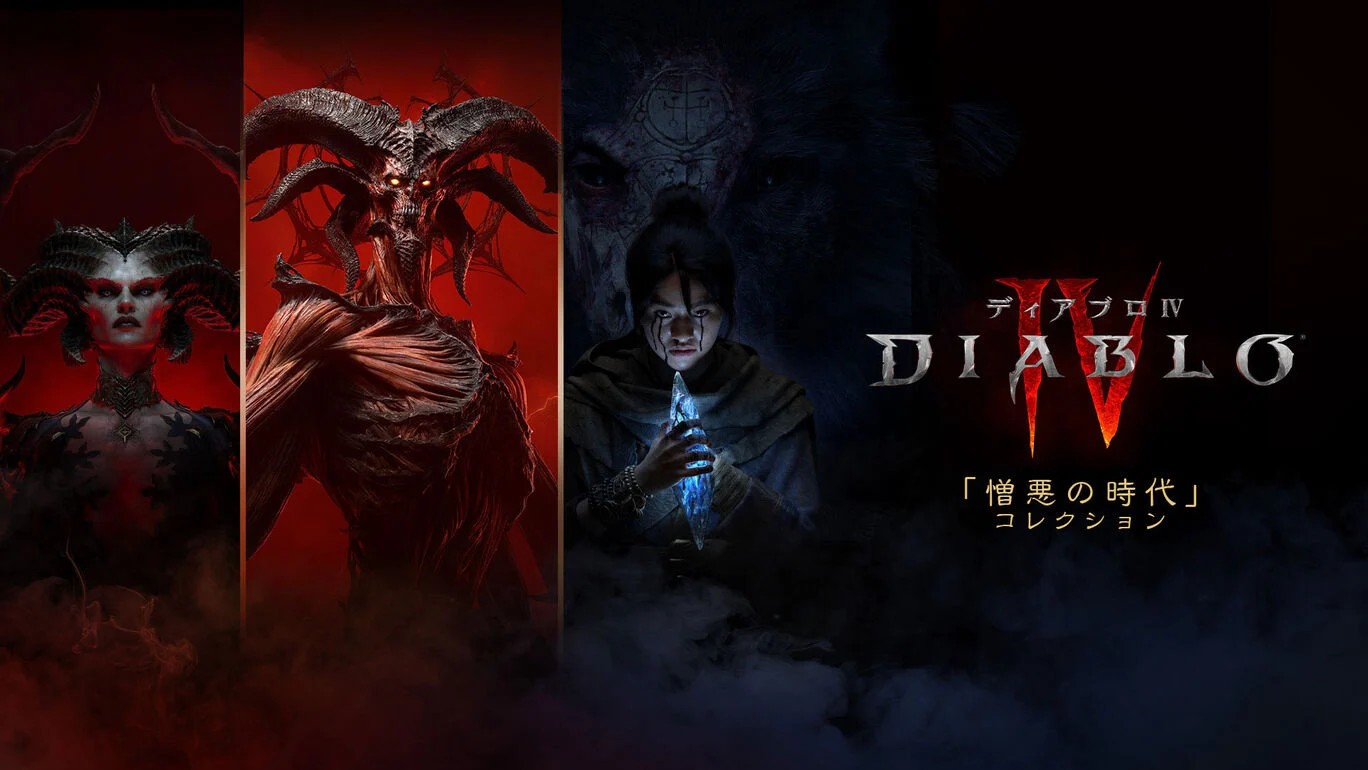
When Blizzard announced the Diablo IV: The Age of Hatred Collection for Nintendo Switch 2 — releasing September 15 in most markets and September 16 in Japan — the move landed with less fanfare than the game’s actual launch in 2023. That silence is itself the story.
This is not the cautious, incremental platform expansion you would expect from a studio still wrestling with the integration after the Activision Blizzard acquisition. It is a confident play across every available screen. The collection bundles the full game plus both major expansions — Reaper of Souls and the forthcoming King of the Damned — and includes Japanese localization, a first for a Diablo title of this scope in the country. Cross-play and cross-progression are built in. A demo shown at BlizzCon 2026 reportedly impressed attendees with its handheld performance.
Read it as a pattern, not a one-off.
The Post-Activision Strategy Is Already Here
Microsoft’s $69 billion acquisition of Activision Blizzard closed with certain promises: Xbox will remain the home of major Activision releases. Yet those promises have come with caveats — exclusivity windows, cloud rights disputes, and a degree of platform ambiguity that has left the industry watching closely.
What Blizzard is doing with Diablo IV on Switch 2 fits neither the old Sony model of deep exclusivity nor the Steam-era model of PC-first launches. It is closer to a third path: treat every major platform as a distribution channel, not a battleground.
That matters because it reveals how the company views its IP now. The franchise — Diablo is three decades old, and the IV chapter is its first live-service iteration — is being positioned as evergreen, cross-generational content. Portable delivery for a game that traditionally runs on high-end PCs is a deliberate audience expansion, not a compromise.
The timing is telling. We are only months past the merger’s close, yet the strategic posture already looks distinct from both Microsoft’s traditional first-party playbook and Activision’s historically fragmented platform approach. Someone at Blizzard clearly believes that maximum reach beats maximum control — a position that would be radical coming from any other publisher in this market.
Who Wins and Who Loses
Nintendo wins players who may have previously dismissed Diablo as a PC-only experience. The Switch 2 library gets a live-service anchor that draws on a 20-plus-year IP. Japanese localization also signals that the company sees the region as growth territory, not just a niche market for ported games.
Players win through lowered friction. Existing save progression carries across platforms. People who played on PC or PlayStation can pick up where they left off on a handheld device. The live-service model — with seasonal updates, new regions, and the addition of new class systems like Spirit Bone — gains a wider, more portable audience for each content drop.
Competitors in the action RPG space absorb a smaller competitive hit than they might have. Diablo IV competes most directly with other live-service loot-grinders, and having it on Switch 2 does not meaningfully reduce the game’s presence elsewhere. It widens it.
What is less clear is what this signals about ongoing negotiations between Microsoft and Nintendo around future Activision titles. If Diablo V — teased at BlizzCon 2026 alongside a StarCraft open-world reboot — lands on Switch 2 as well, the portability argument becomes a structural part of the portfolio rather than an exception.
There is a second-order effect worth noting: other publishers watching this model may accelerate their own multi-platform consolidation strategies. If Blizzard can sustain a live-service franchise across PC, console, and handheld without cannibalizing its core audience, the economic case for platform exclusivity weakens further across the industry. That could reshape subscription bundling, storefront negotiations, and even how hardware makers position their libraries going forward.
The Live-Service Handoff Problem
There is a counter-argument, and it deserves attention. Diablo IV is an always-online, live-service title with a persistent server economy, regular balancing patches, and seasonal leagues. Handheld performance on a console with modest specs requires compromises — visual fidelity, draw distances, UI scaling — that a core PC audience may view as second-class.
The BlizzCon demo suggested the Switch 2 handles the game acceptably, but acceptably is not the same as premium. Nintendo is unlikely to accept years of patching and optimization work as a permanent fixture of a first-party handheld. And if the cost of supporting a live-service port on Switch 2 outweighs the revenue it generates, Blizzard may revisit the decision.
That risk makes the timing of this announcement worth noting. This is not a retrospective port released years after the fact. It is launching alongside an expanded collection that includes the most recent content. The company is betting that a wide initial audience will absorb ongoing maintenance costs.
There is also the question of player segmentation. Will Switch 2 users engage with the same endgame content as PC players, or will Nintendo’s audience gravitate toward different build paths and playstyles? Live-service economies are sensitive to population distribution, and a portable-only player base could skew matchmaking, leaderboards, and seasonal reward tiers in ways that frustrate core players.
What to Watch in 2027
The strategic implication extends beyond one game. If Diablo V follows the same multi-platform template — including Switch 2 — then Blizzard is building a distribution model that treats platform competition as secondary to franchise reach. This would represent a significant shift in how Activision Blizzard titles are handled in the post-merger era, and it could influence how Microsoft structures deals with Nintendo, Sony, and Valve going forward.
Specifically, watch three indicators:
- Whether Diablo V and the StarCraft open-world project land on Switch 2 in the same window as their primary platforms.
- Whether Microsoft publicly endorses or pushes back against this multi-platform posture for Activision titles.
- Whether Nintendo secures any form of promotional support — featured placement, bundle pricing, or marketing partnership — that ties these ports to Switch 2 launch momentum.
A fourth signal deserves monitoring: player retention rates across platforms. If Switch 2 users show comparable engagement to console and PC populations over the next two seasons, the multi-platform model gains empirical weight. If they drift away quickly, the experiment may be quietly scaled back before Diablo V development concludes.
The Diablo IV Switch 2 port is not a scandal, a missed opportunity, or a desperate hedge. It is a coherent statement of direction. Blizzard is optimizing for scale, not exclusivity. The question now is whether that strategy will hold for the franchise’s next chapter, and whether Microsoft will allow it to.
The industry is waiting to see what comes next — and whether other studios follow the path Blizzard just cleared.