The BOJ Is About to Push the Yen Past a Point of No Return
The Bank of Japan is poised to raise rates to 1.25%, the most consequential shift in yen policy in decades. Why global investors should be bracing for a carry-trade squeeze — and why Japan's corporate elite may be welcoming it.
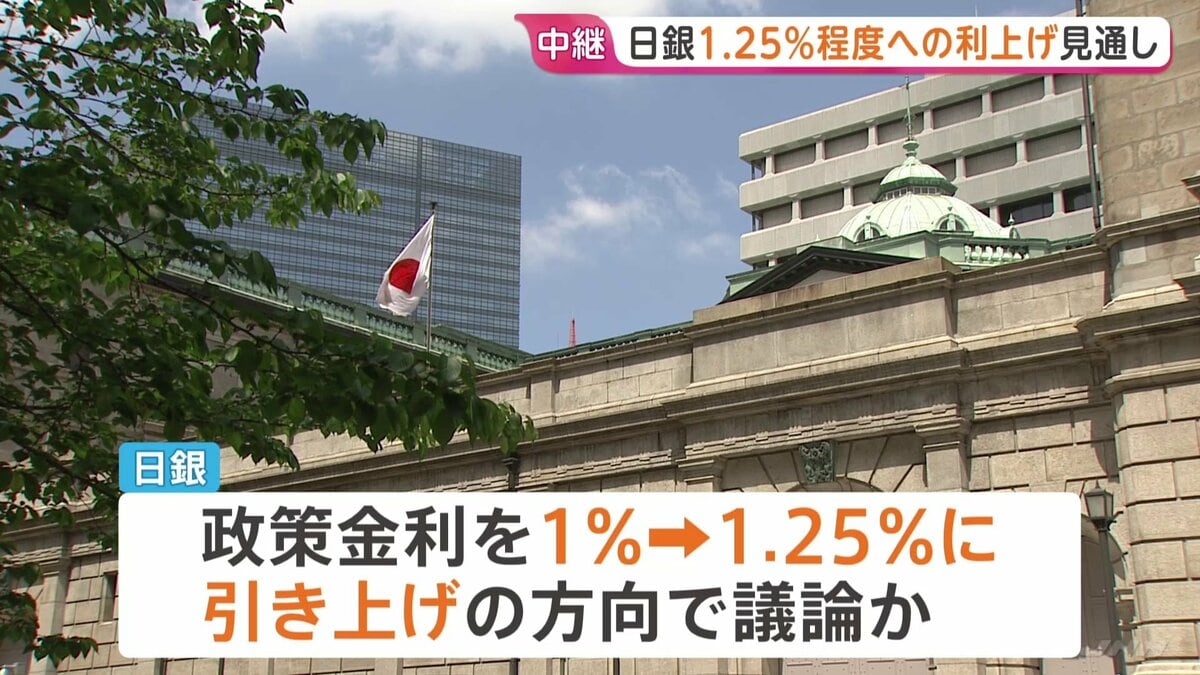
The number that matters
The Bank of Japan is set to raise its policy rate to roughly 1.25% at the conclusion of its two-day policy meeting starting September 17, according to TBS News Dig. That may sound modest — a quarter-point move, barely above the noise floor — but in the context of Japanese monetary history, it is a tectonic shift. Japan has not seen rates this high since the late 1990s. What happens next will not stay contained within Tokyo.
Why now
The BOJ is reacting to converging inflationary pressures that no longer fit the old narrative of transitory price spikes. Two forces are driving the decision: a weakening yen that makes imports more expensive, and escalating tensions in the Middle East that threaten to push energy costs even higher. Together, they create a policy imperative the BOJ could not ignore without appearing either dormant or deliberately complacent.
The middle-east dimension is especially underweighted in English-language coverage. Any further disruption to shipping routes through the Red Sea or Strait of Hormuz would hit Japan — the world’s third-largest oil importer — with immediate force. The BOJ appears to be pricing in the possibility that inflation could run hot for longer than policymakers previously signaled.
The carry trade wakes up
This is where the 1.25% figure becomes dangerous for global portfolios. For two decades, the yen-carry trade has been one of finance’s most reliable strategies: borrow cheaply in yen, deploy the proceeds into higher-yielding assets in emerging markets, Australia, or U.S. Treasuries. The math worked because the Bank of Japan kept rates near zero while other central banks offered meaningful returns.
A rate at 1.25% does not destroy the carry trade overnight. But it changes the calculus for every investor who entered the trade in the last six months, when the BOJ was still telegraphing patience. The break-even point for a yen-funded position narrows dramatically. If the yen strengthens — and a higher rate makes that more likely — leveraged carry positions face immediate mark-to-market losses.
What happened in August 2024, when the BOJ’s unexpected rate hike triggered a cascade of carry-trade unwinding that wiped trillions from global markets, was not an anomaly. It was a preview. Investors who dismissed it as a one-off episode are repeating the same mistake.
Who wins, who loses
Japanese exporters are the obvious losers. Companies like Toyota, Sony, and SoftBank that have relied on a weak yen to inflate their dollar-denominated earnings will see their competitive advantage erode. Their share prices already reflect some of this expectation, but the full impact will not register until quarterly earnings confirm the drag.
Domestic borrowers face a different kind of pain. Japanese households and corporations that locked in variable-rate debt during the zero-rate era now face rising service costs. The effect will be gradual but real — household spending, already fragile, gets another headwind.
The winners are harder to identify but arguably more significant. Japanese pension funds and insurance companies — institutions that have struggled for years to generate meaningful returns on domestic assets — finally have a rate environment where holding yen-denominated bonds makes mathematical sense. The GPIF, which manages over $1.5 trillion in assets, will benefit from higher domestic yields without taking on additional currency risk.
Global emerging-market creditors are the hidden losers. A stronger yen and higher Japanese rates increase the cost of servicing dollar- and yen-linked debt for countries from Turkey to Indonesia. The next wave of emerging-market stress may not begin in Washington or London — it may begin in Tokyo.
The corporate response nobody is talking about
There is a story beneath the rate-hike story. Japanese corporations have spent the past three years building massive cash hoards and delaying capital expenditure, betting that rates would stay low forever. Some of the largest firms in Japan — Hitachi, Mitsubishi, Keyence — now hold more cash than they know what to do with. A 1.25% rate changes the opportunity cost of that hoarding.
Expect a wave of increased share buybacks and M&A activity from Japanese companies in the coming quarters. The cash sits there earning nothing while the cost of borrowing rises. The corporate strategy that defined the Kuroda era — accumulate, wait, hoard — is becoming expensive to maintain. The Ueda era may be defined by deployment.
What happens next
The BOJ will almost certainly signal that 1.25% is not the final stop. Governor Ueda has repeatedly emphasized data dependence, and with Middle East risks and yen weakness still in play, the central bank will want to preserve flexibility. But the market will interpret any forward guidance through the lens of 2024’s shock — and that interpretation itself will move markets.
The yen is likely to strengthen from current levels, but not dramatically. A sharp appreciation would hurt exporters and slow the very inflation the BOJ is trying to manage. The central bank’s balancing act is genuinely difficult: raise rates enough to anchor inflation expectations, but not so aggressively that it triggers a corporate earnings collapse or a carry-trade fire sale.
For global investors, the takeaway is simple. The era of free yen funding is not over, but it is declining. Positions built on the assumption that the BOJ would remain passive for the foreseeable future need to be re-evaluated now, not after the decision comes out. The 1.25% threshold is not just a rate — it is a signal that Japan’s monetary regime has changed, and the rest of the world is still pricing it in as if it has not.