Ueda's Inflation Red Line Reshapes Asian Bond and Yen Outlook
BOJ Governor Ueda's hardline shift on inflation tolerance signals the next rate-hike cycle is closer than markets expect. The implications for the yen, Japanese bonds, and Asian capital flows are sharper than the consensus narrative suggests.
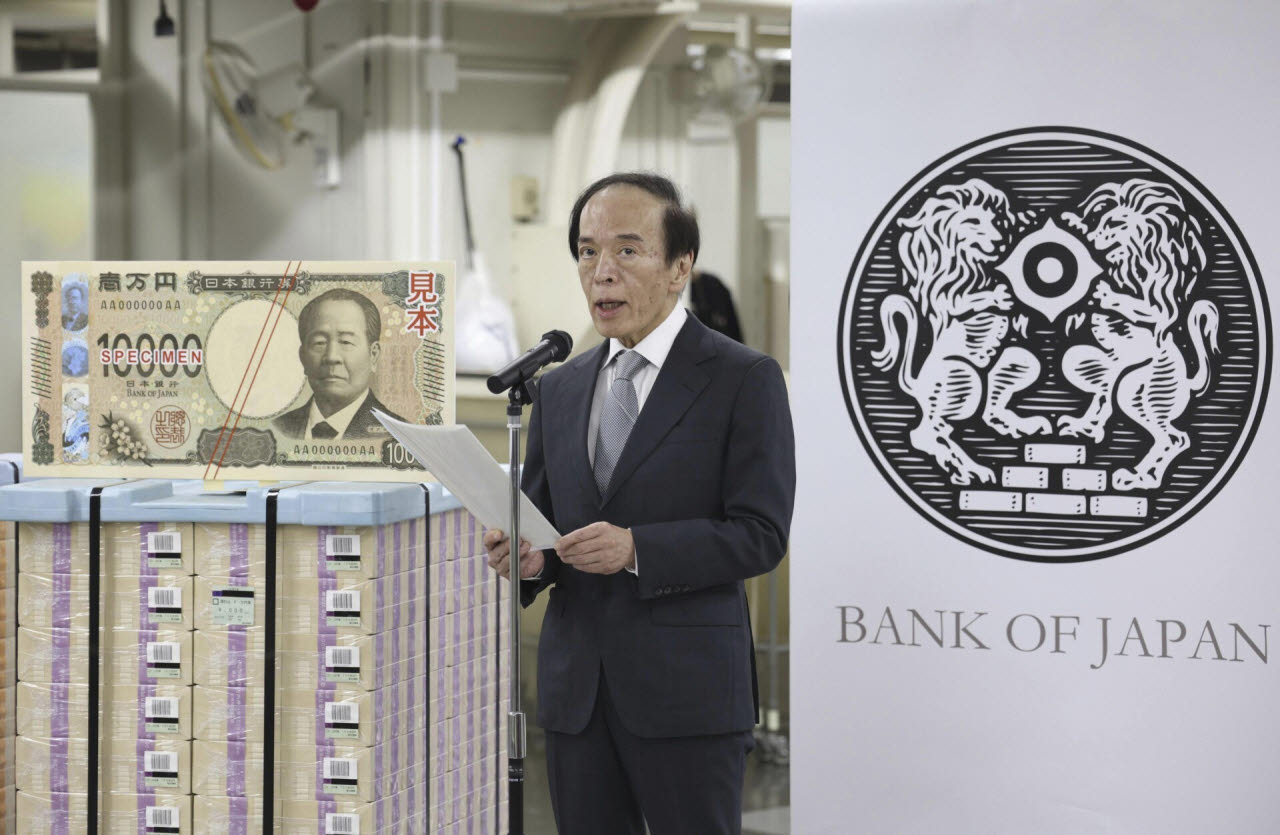
Ueda drew a line in the sand — and Asia is listening
At the G20 finance meeting in Bangkok last week, BOJ Governor Kazuo Ueda said something that will be studied for months: Japan has reached its 2 percent inflation target, and anything above that is unacceptable. The phrasing — blunt, almost combative — was a departure from the measured language the central bank has used since lifting rates to 1.25 percent in November.
What matters is not just the words. It is the clock they set.
Market pricing assumes the BOJ will hold rates at the upcoming policy meeting on November 29–30. That consensus is plausible for a single meeting. But Ueda’s statement makes it clear the waiting game has an end date, and it is likely coming in December. The governor framed the November move not as a turning point but as a calibration step. Financial conditions remain accommodative, he said, and the bank will keep adjusting through further rate increases.
That is the language of a central bank that has made up its mind, even if its calendar is not yet public about it.
Who wins when the BOJ tightens again
The immediate winner is the yen. Every basis point of real-rate support pulled from Japanese Government Bonds translates into selling pressure on a currency that has spent years underweight in global portfolios. A December hike to 1.5 percent would narrow the interest-rate gap with the United States by a meaningful margin. That gap — roughly 100 basis points as of mid-November — has been the structural engine behind yen weakness since the BOJ ended yield-curve control in 2024.
The second winner is less obvious: Asian emerging-market bond funds that have been short the yen to chase yield. Every BOJ tightening cycle has been a painful episode for carry trades, and the pipeline of yen funding that flows into Indonesian rupiah bonds, Philippine peso debt, and Vietnamese corporate credit would tighten. The difference this time is that the Bank of Japan is moving on its own timeline, not in response to a global risk-off event. That makes the adjustment smoother — and therefore more devastating to positions built on the assumption that Tokyo would stay dormant through 2026.
The neutral rate problem
Perhaps the most significant signal in Ueda’s remarks was his refusal to pin down the neutral rate. He said there is no clear evidence it sits near current policy levels. That is a coded acknowledgment that the BOJ does not yet know where equilibrium is — and that raises the stakes for every incremental move.
If the neutral rate is genuinely higher than models have assumed, the path to it will be steeper and more volatile than markets are pricing. The BOJ is navigating without a map, and it has made that explicit. For bond investors, this means duration risk in Japanese sovereign debt is no longer a one-directional bet. A miscalibrated hike cycle could over-tighten; a too-slow cycle could re-anchor inflation expectations at levels above the bank’s comfort zone.
The US dimension, quietly resolved
Washington’s involvement in this story deserves attention beyond the diplomatic pleasantries. Scott Bessent, the US Treasury secretary, told the same G20 gathering that the yen was undervalued and urged Japan to end its reflation strategy. Donald Trump raised the same concern bilaterally with Prime Minister Sanae Takaichi. Then Erin Brown, the Treasury’s deputy secretary for international affairs, stepped back from the edge, clarifying that Washington had not instructed the BOJ on policy.
The subtext is clearer than the text. The US wants a stronger yen — not because it is good for Japan, but because a weaker yen feeds US import inflation and pressures the dollar’s reserve status. Brown’s praise for Takaichi’s fiscal-sustainability remarks was a calculated signal that Tokyo is being watched, and that the current administration prefers a cooperative partner over a competitive one. Whether that cooperation extends to coordinated FX intervention remains an open question. Brown left the door open by saying all options are under review.
The December pivot that markets may not be ready for
Here is what the consensus is missing. The BOJ’s next two policy meetings — November 29–30 and December — will define the trajectory for the rest of the year. Even if November is a hold, the market is pricing in a relatively mild December increase. What Ueda’s remarks suggest is that the BOJ views inflation as a threshold problem, not a trend problem. If oil prices spike or the yen weakens past a critical level, the bank may accelerate rather than pause.
The AI-driven demand surge Ueda flagged is another variable most investors are underweighting. Energy-intensive data centers and semiconductor fabrication are concentrated in Japan’s nearest neighbors — Taiwan, South Korea, Vietnam. If AI infrastructure spending accelerates, the commodity and electricity costs will feed directly into Japanese import prices, giving the BOJ a reason to move faster than fundamentals alone would dictate.
What happens next
The sequence is predictable but the timing is not. The BOJ will likely hold in November, confirm its data dependency, and set the stage for a December decision. If it hikes, the yen should strengthen 2–4 percent over the following quarter against a basket weighted toward the dollar and euro. If it holds and signals further patience, the yen remains range-bound while Asian EM bonds continue their quiet appreciation.
The real risk is complacency on both sides. Global investors are still positioned for a prolonged period of Japanese monetary dormancy. The BOJ, meanwhile, is managing a tightrope without a safety net. Ueda’s Bangkok remarks were not an escalation. They were a warning shot.
For Asian bond markets and yen traders, the message is simple: the window for easy yen-funded carry is narrowing, and the BOJ has just announced that it intends to close it.