Brent Passes $100. The Real Story Is What Comes Next.
Oil above $100 during an active war rewrites inflation math for every major central bank — and emerging markets with trade deficits are the first to feel it. The EIA says pre-war supply won't return until mid-2027.
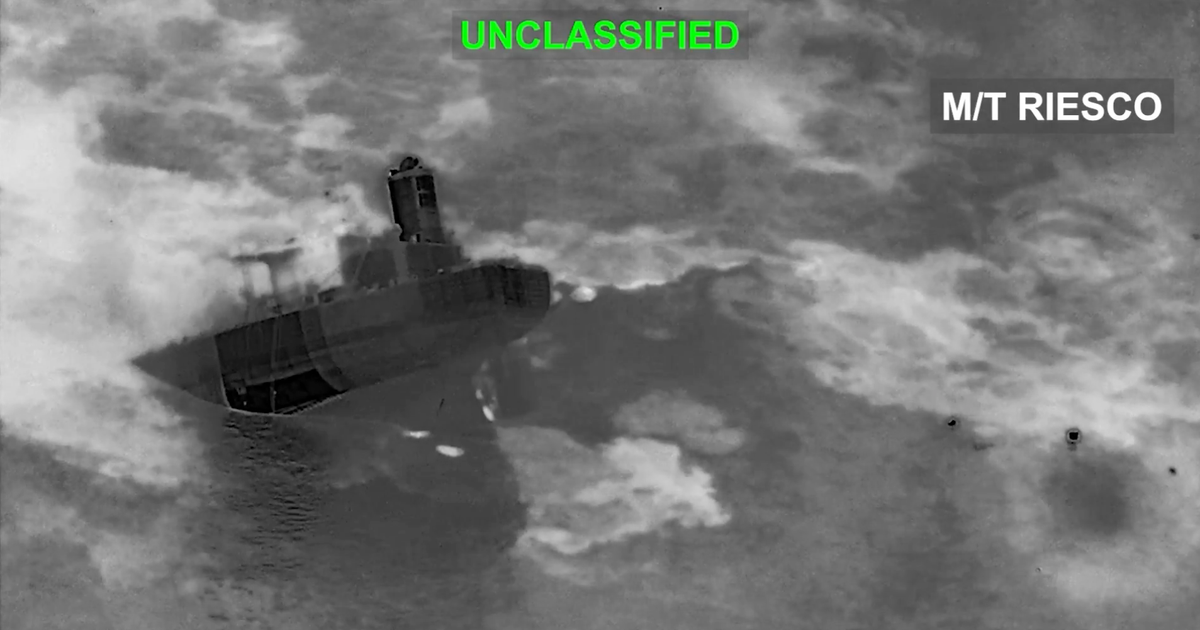
Brent passed $101 on Wednesday. Nobody in a central bank is celebrating.
Oil above $100 during peacetime is uncomfortable. Oil above $100 during an active US-Iran military exchange is a different category of event. It stops being a commodity story and becomes a monetary policy crisis in real time.
The International Energy Agency says traffic through the Strait of Hormuz will stay constrained through the end of 2026, with an average of 5.7 million barrels per day shut in. Pre-war output levels won’t return until the second quarter of 2027. Global inventories have already drawn down by roughly 400 million barrels this year and are expected to keep falling. Goldman Sachs warns prices could push toward $120.
What $100 oil actually means depends on which country you’re sitting in.
The inflation math changed overnight
At $100 a barrel, gasoline prices in the US are already repricing faster than anything the Federal Reserve predicted this spring. But the damage isn’t confined to pump prices. Energy feeds into fertilizers, shipping, plastics, and heating. Every one of those categories just got more expensive simultaneously.
A rough rule of thumb that markets use: every $10 move in Brent translates to roughly 0.3 to 0.5 percentage points of headline inflation in advanced economies over a six-month window, depending on exposure. At $100 and above, that pushes the United States closer to 3% core inflation than the Fed’s 2% target — and the trajectory is still moving wrong.
Europe faces a steeper curve. Natural gas prices already topped 80 euros per megawatt-hour Wednesday, the highest since early 2023, precisely when European storages need to refill for winter. The TTF contract rose 4.4% in a single session. Industrial consumers in Germany and the Netherlands are paying premiums that make some operations uneconomic at the margin. That is demand destruction wearing the mask of inflation.
Three central banks, three different emergencies
The Federal Reserve entered this year assuming it could lower rates twice and still hit 2% inflation. That path assumed oil stayed range-bound. It does not anymore. With Brent at $101 and the EIA forecasting an average of only $90 through year-end before dropping to $74 in 2027, the Fed is now pricing in either a harder landing or a longer period of restrictive policy — possibly both. Markets are already assigning meaningful probability to no cuts at all in 2026. That is a dramatic shift from February.
The European Central Bank is in a worse position. Europe imports far more of its energy than the United States and has less fiscal room to absorb energy shocks. If gas stays above 80 euros through winter and oil stays at or above $100, euro area inflation could reaccelerate into the second half of 2026. The ECB would then be forced to hold rates higher for longer, or even hike — a scenario that sounds absurd until you remember it happened in 2022 and the structural conditions are similar: a supply-driven energy spike coinciding with weak growth.
Emerging markets face the sharpest adjustment. Countries with large current account deficits and significant energy imports — India, Turkey, Pakistan, Bangladesh — are already running trade balances that leave no margin for error. A sustained $100 oil price adds roughly $50 billion to India’s annual import bill at current volumes. That widens the current account deficit, puts pressure on the rupee, and forces the Reserve Bank of India to choose between letting the currency depreciate or using reserves to defend it. Both options carry costs.
Turkey is even more exposed. The lira was already under strain before this escalation. Oil at $100 through a prolonged conflict is the kind of shock that turns a currency crisis into a full macro crisis.
Who wins and who loses
The winners are clear. Norway’s sovereign wealth fund, Saudi Arabia’s budget surplus, the UAE’s non-oil growth strategy — all of them benefit from higher prices in the near term. Russia’s fiscal calculus also improves, which complicates the geopolitical picture further. But these gains are concentrated and temporary. When the conflict eventually ends and supply floods back, prices will adjust downward, and the fiscal budgets built around $100 oil will need to rebase.
The losers are everyone else. Consumers in the United States, Europe, and Asia. Central banks that lost credibility on inflation control. Import-dependent emerging markets balancing on the edge. And critically, the households making decisions about heating, commuting, and groceries — people who do not care about forward guidance.
The timeline that matters
The EIA’s forecast is the anchor here. The agency expects Hormuz-constrained flows to persist through 2026 and pre-war output levels to resume only in Q2 2027. That means the $100 environment is not a two-week shock. It is a two-year structural shift unless something breaks the conflict trajectory.
Goldman Sachs’ $120 projection assumes escalation — more attacks on tankers, more disruption to shipping insurance, a wider war that pulls in additional players. The Houthi attacks on Saudi oil facilities, the Iranian prohibited zone declaration covering parts of the Gulf of Oman and the Arabian Sea, and the IRA claims about targeting commercial vessels all point in that direction. Every new claim of vessel attacks tightens the supply premium.
What happens next
Central banks will be forced to choose between fighting inflation and preventing recession. That is a false choice, but it is the one they face. The Federal Reserve will likely signal patience — whatever that means in practice. The ECB will watch European gas prices obsessively. Emerging market central banks will start building currency defense plans behind closed doors.
For businesses, the planning horizon just got longer and less friendly. Supply chains that were being rebuilt on the assumption of stable energy costs now need contingency plans for a $100-to-$120 environment lasting through 2027. That changes investment decisions, hiring plans, and pricing strategies across sectors.
For consumers, the story is simpler. Higher prices for everything that moves, burns, or requires energy to produce. The pain is immediate and visible. The political consequences follow roughly on schedule.
The Strait of Hormuz is not just a chokepoint. It is a barometer. And right now, the reading is alarming.