Who Benefits From Europe's Bomb Threat Wave — And What It Reveals
A coordinated wave of bomb threats hit at least 14 European flights on Thursday, causing diversions and tarmac sweeps. No explosives were found. But the pattern matters — and it's not just hoaxes.
The Calm Before the Storm — Or the Storm Before Something Worse
At least fourteen commercial flights across Europe were struck by bomb threats on Thursday, triggering emergency landings, military escorts, and tarmac sweeps from Dublin to Sofia. No explosives were found. No group claimed responsibility. But the sheer scale and geographic spread of the threats — hitting Ireland, Finland, Poland, Denmark, Spain, Italy, the UK, Bulgaria, and the Czech Republic within hours — suggests something more organized than a string of disgruntled pranksters.
What we’re witnessing is a stress test of European aviation’s security architecture, and the continent is failing it in ways that go beyond any single threat call.
The Pattern Is the Weapon
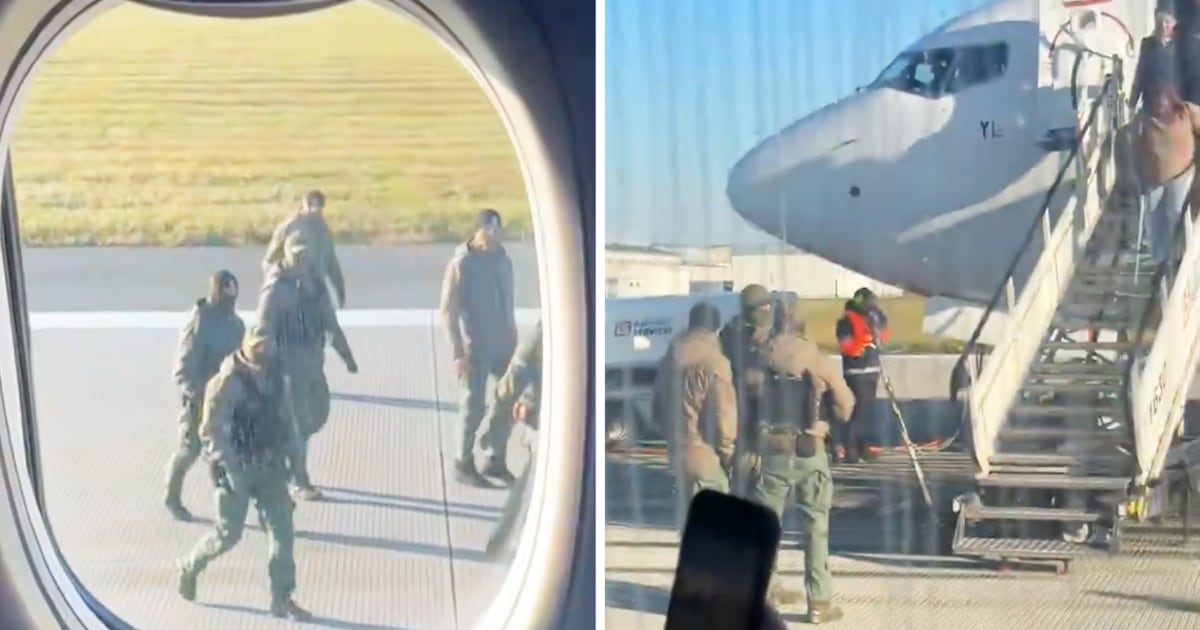
Start with the timeline. An Aer Lingus flight from Dublin to Rome diverted near Paris to a French air force base. Two Finnair flights from Helsinki — one to Rome, one to Vienna — were both targeted and both escorted by military jets. Two LOT Polish flights from Warsaw to Brussels and Paris were flagged. Three Ryanair flights bound for Sofia, Bulgaria, received threats. Wizz Air’s Milan-to-Bucharest route. Four unidentified flights headed to Prague.
This is not a single actor. This is not even a single country. This is a continent-wide saturation event — and it followed days of similar incidents, including a bomb threat against a cruise ship in Greece on Tuesday.
The tactical logic is clear: maximize disruption, minimize resource expenditure. Each false alarm costs airlines tens of thousands of euros in diversions, ground delays, and security operations. Multiply that by fourteen flights and you are looking at a substantial economic hit — and a reputational one that compounds every time a passenger watches sniffer dogs sweep their plane on a warm tarmac instead of boarding it.
The threats also exploit a structural vulnerability in modern aviation: the asymmetric burden of doubt. Airlines and authorities must treat every threat as credible until proven otherwise. There is no efficient triage mechanism that lets them instantly dismiss low-probability calls without risking catastrophe. That means hoax threats carry disproportionate power relative to their actual danger.
Who Is Behind This
European Commissioner for Sustainable Transport and Tourism Apostolos Tzitzikostas told reporters in Brussels it was too early to conclude whether the incidents were linked, adding, “we don’t have information yet whether this is a cyber attack.” That caveat — the cyber angle — is worth sitting with.
The Prague police report noted that at least some threats arrived via email. Professor Peter Neumann of King’s College London pointed out the obvious problem: airlines need robust processes for distinguishing credible threats from obvious hoaxes. The fact that so many were processed as genuine suggests either sophisticated spoofing techniques or a sender who understood exactly how to trigger maximum response with minimum evidence.
Intelligence agencies in multiple European capitals are likely examining whether these threats share common digital fingerprints — email headers, voice synthesis patterns, communication infrastructure. But public statements have been deliberately noncommittal. That silence is itself informative: acknowledging coordination would escalate panic; denying it would be irresponsible given the evidence.
The Casual Collateral: Passengers and Workers
Behind every diverted flight is a human inconvenience. Matthew Bojarsky, a 28-year-old Polish resident in Warsaw, was scheduled to fly to Paris with his American girlfriend. Instead he watched police, military, and sniffer dogs circle his LOT flight on the tarmac. The message? Safety protocols demanded the flight be aborted and rescheduled.
That is one passenger. Now multiply by 151 on the Aer Lingus flight, by hundreds more across the other targeted aircraft. For many, this is the third or fourth disruption this week. Airlines have been publicly dismissive — Finnair’s spokesperson called the threats “almost always unfounded.” But the psychological toll of repeated uncertainty is real, and it erodes trust in a system that passengers are already nervous about.
Airport and airline workers bear the brunt. Bomb squads, military escorts, sniffer dogs, security sweeps — these are specialized, resource-intensive operations. They pull personnel from routine duties and create bottlenecks that ripple through schedules for days.
Who Wins, Who Loses
The winners from this wave of threats are difficult to pinpoint but easy to characterize. If the goal is to project power without firing a shot, the strategy is working. European airspace looks fragile. Authorities look reactive. The public looks anxious. That is the desired outcome for any actor seeking to undermine confidence in European institutions without taking direct violent action.
The losers are everyone else — passengers, airlines, airport operators, and the broader European economy that depends on seamless mobility. Low-cost carriers like Ryanair and Wizz Air are particularly exposed: their business models depend on tight turnarounds and on-time performance. A single diversion can wipe out the margin on a route.
What Comes Next
European aviation security will respond to this the way it always responds to asymmetric threats: with more screening, more procedures, more visible displays of force. But none of that addresses the underlying asymmetry — the fact that a single email or phone call can shut down a flight.
The more constructive response would involve better threat intelligence sharing between EU member states, standardized protocols for evaluating incoming threats, and investment in digital forensics capable of tracing email and voice threats back to their sources. The PR response — calm, coordinated, evidence-based — matters just as much. Silence and noncommittal statements from Brussels feed the very uncertainty these threats are designed to exploit.
No explosives were found Thursday. That is lucky. But luck runs out. The question is whether European authorities treat this as a one-week headline or a strategic signal worth acting on before the next wave.