G7 Unleashes 100 Million Barrels to Calm Soaring Oil Prices
The G7 has agreed to coordinate a 100-million-barrel release of strategic petroleum reserves through the IEA over four months, prioritizing diesel in the first 20 days. It marks the first such collective action since 2022 and sends a clear signal about alliance coordination on energy and Iran.
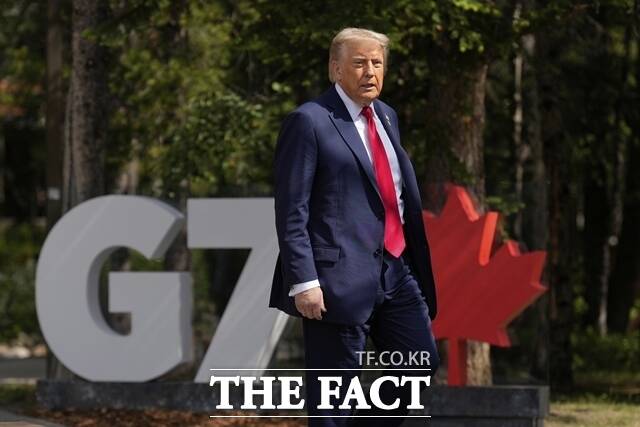
The G7 is Finally Talking to Each Other About Oil Again
The Group of Seven has agreed to release 100 million barrels of strategic petroleum reserves through the International Energy Agency over four months, with diesel volumes prioritized in the first twenty days. The announcement, confirmed through a joint statement on September 2, marks the first coordinated strategic petroleum action by the alliance since its last major intervention in the aftermath of Russia’s invasion of Ukraine in 2022.
Markets moved immediately. WTI November futures closed down 1.90 percent at $91.11 a barrel, while Brent December dropped a fraction more—0.06 percent—to $102.25 a barrel. The moves were modest but directional, and that direction matters.
Why Diesel, Not Crude
The decision to front-load diesel releases is the most specific detail in the G7 statement, and it is not incidental. Diesel sits at the center of the current supply squeeze: refined product spreads have been tight, European diesel stocks are below five-year averages, and transportation costs feed directly into inflation data across every G7 economy. Releasing refined product rather than crude oil is a surgical choice. It targets the bottleneck where prices are actually hurting consumers.
This is also a signal to markets that the G7 understands the difference between a crude shortage and a refining gap—and that it intends to act accordingly.
What Changed Since 2022
The last coordinated release of strategic reserves happened in March 2022, when the IEA organized an uncoordinated-by-name-but-functionally-coordinated 120-million-barrel drawdown following the Ukraine crisis. That operation was effective at flattening the spike in Brent, which briefly breached $130 a barrel before settling back toward $100.
Two years later, the pricing pressure comes from a different direction. Iran’s nuclear programme, Houthi disruptions in the Red Sea, and OPEC+ discipline have kept Brent firmly above $100. The concern expressed in the G7 statement—that volatility and rising prices are burdening households and businesses—is unmistakably aimed at the current geopolitical landscape, not the post-Ukraine one.
The timing of the announcement, coming after a virtual leaders’ summit, suggests Washington and its allies view energy pricing as a domestic political liability ahead of election cycles across multiple member states. That is not a new dynamic, but the fact that it produced a joint statement rather than separate national actions is.
Who Wins, Who Loses
Consumers in G7 countries win the most immediately. Lower diesel prices ease transport costs, which flow through to food, freight, and heating. Central bankers watching inflation reports will note the effect, however small. The Federal Reserve and the Bank of England, still navigating the aftermath of multi-decade price pressures, will see this as a tactical tool that does not require interest rate adjustments.
Producers who benefit from elevated prices lose. OPEC+ members, particularly Saudi Arabia and the UAE, face a direct countermove to their production discipline. If the G7 follows through on additional diesel releases in the coming weeks—as the statement explicitly leaves open—the price floor that OPEC+ has been maintaining gets thinner. That is the strategic subtext: the G7 is testing whether production cuts can hold against coordinated reserve releases.
Non-G7 nations with their own strategic reserves, notably China and India, are the wildcard. The statement urges “all producing countries” to refrain from export bans but does not bind anyone outside the IEA framework. China holds the world’s second-largest strategic petroleum reserve and has not participated in previous coordinated IEA releases. Its response to this round will determine whether the 100-million-barrel figure is a ceiling or a floor.
The Iran Question
No mention of Iran appears in the G7 statement. That silence is itself a message. The alliance is treating the price problem as a supply-and-demand issue to be managed through reserves, not a geopolitical confrontation to be escalated through sanctions or military posturing. For now, energy price stability is the objective, not regime behavior in Tehran.
That separation may not hold. If Iranian-related risks push prices higher again, the political pressure to pair reserve releases with harder sanctions will return. The G7 statement’s language about “closely monitoring the situation” and adjusting measures “if necessary” leaves that door open.
What Happens Next
The next move is already scheduled: an IEA-level meeting within days to discuss further diesel releases. That means the 100-million-barrel figure is an opening position, not a final one. Markets will watch for whether additional volumes are announced before the four-month window closes.
Trump posted on Truth Social that “procedures will start immediately,” reinforcing the urgency framing. Whether the United States delivers its share promptly—and whether Europe and Japan match that pace—will be the first test of whether this coordination is structural or performative.
The modest market reaction—under 2 percent on WTI—suggests traders see this as a partial hedge against upside risk rather than a supply flood. That assessment will be tested over the next four months. If Brent stays above $105, the G7 will likely return with more. If it drops toward $90, the reserves remain stacked and the political credit fades.
One thing is clear: the era of G7 silence on energy pricing is over. The question now is whether coordinated reserve releases are enough to keep prices from becoming a political problem again.