Trump's SPR Play Is Reshaping Global Energy Markets
Trump's pledge to refill the U.S. Strategic Petroleum Reserve using Venezuelan oil—paired with a G7 pact to release 100 million barrels of diesel—signals a sweeping shift in American energy strategy with direct consequences for Asian importers who have been paying a premium.
Trump’s SPR Gamble Changes the Rules of the Game
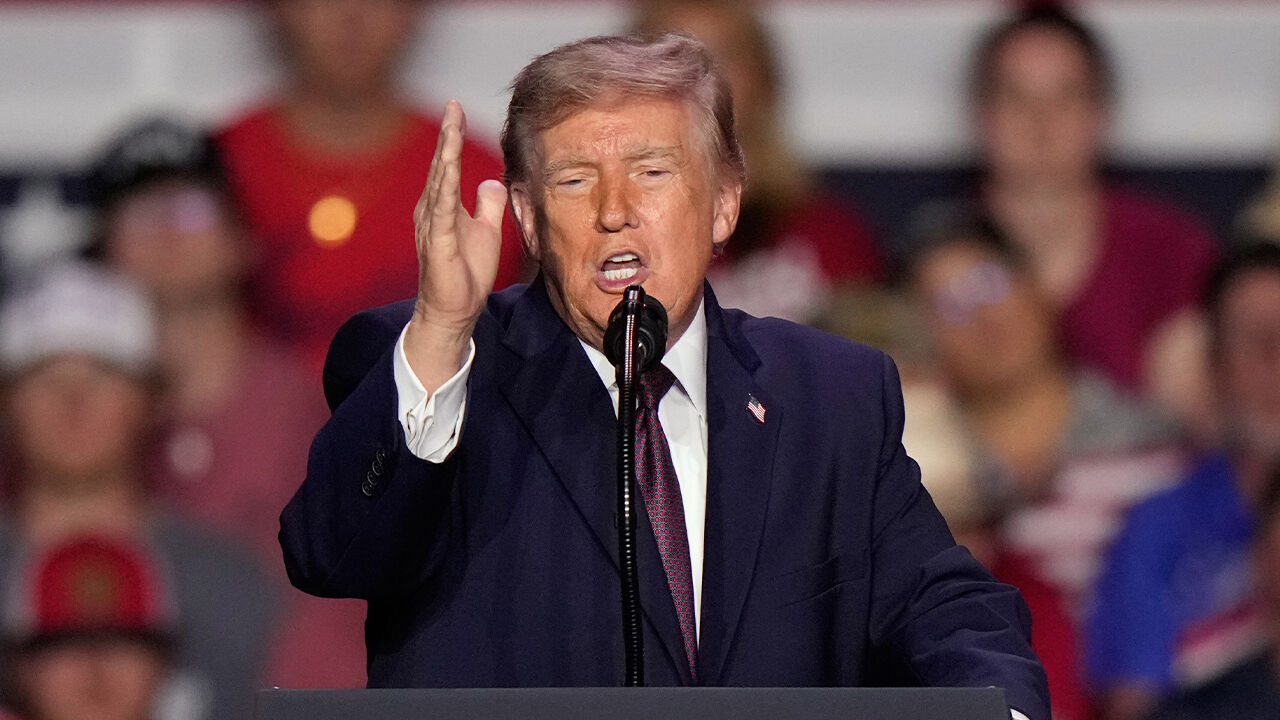
Donald Trump stood on a stage in Alabama and sold the American public on a simple story: his administration will refill the nation’s strategic petroleum reserve using oil from Venezuela, and it will happen soon—without asking for anything in return. The implication, delivered with the confidence of a man who has just finished a campaign rally, is that the United States is reasserting control over global energy markets in a way that will keep oil prices down and wallets full.
The reality is more complicated. The U.S. Strategic Petroleum Reserve currently holds fewer than 284 million barrels—the lowest level since 1982. That number is not a statistic; it is a vulnerability. A reserve that small cannot absorb a serious supply shock without sending prices through the roof. Trump’s promise to refill it “without any consideration” sounds generous until you consider what Venezuela actually has to offer and whether those barrels will end up in the ground or on the open market.
The Venezuela Angle No One Is Talking About Straight
Trump confirmed what Washington has been circling around for months: the United States is coordinating with Venezuela to draw out billions of dollars’ worth of crude. This is a dramatic reversal from years of sanctions-driven isolation. Venezuela holds the world’s largest proven oil reserves, most of them untapped. Getting Caracas to flow crude freely into the U.S. system is both a geopolitical coup and a market risk—if those barrels are meant for the SPR and not diverted elsewhere, the math barely works. Venezuela’s production capacity is degraded. Pipelines are aging. The country lacks the investment to produce at full tilt. And the SPR itself is a finite container.
The unspoken question is timing. How fast can Venezuelan crude be certified, transported, and injected into a reserve system that was designed decades ago for a different geopolitical era? The answer matters for every importer in Asia watching their bunker fuel bills.
The G7 Diesel Release Is a Band-Aid, Not a Strategy
Trump’s other centerpiece announcement was equally loaded. He told a cheering crowd that G7 partners had agreed to release millions of barrels of reserve diesel fuel, that prices were already falling, and that a resolution to the Iran conflict would trigger an even sharper decline. The numbers behind that claim are real enough: the G7 committed to releasing 100 million barrels of combined crude and diesel over four months.
That sounds like a lot. It is not. The world consumes roughly 100 million barrels of oil per day. A 100-million-barrel release over four months is about one day’s worth of global demand spread across 120 days. It is a signal, not a supply solution. And signals matter less when the market suspects they come from a political calendar rather than a strategic one.
The diesel release is particularly notable because Asia—Japan, South Korea, India—imports the vast majority of the diesel refined in Europe and traded globally. If Europe pulls reserve diesel onto the spot market, Asian refiners feel it immediately. Prices fall, margins compress, and importers who have been hedging against Iranian supply disruption suddenly find themselves exposed to a different kind of risk: the risk that the price relief is temporary and leaves them holding contracts priced for a world that no longer exists.
What This Means for Asian Importers
Asian energy importers are the invisible players in this story. Japan alone burns through roughly 1.5 million barrels of oil per day, most of it imported. South Korea and India are not far behind in relative terms. When Trump talks about lowering energy prices, he is talking about something that directly affects their trade balances, their inflation rates, and their political stability.
The strategic logic for these countries is shifting. For decades, the SPR was viewed as an American tool—an American emergency brake. Now the United States is explicitly tying SPR policy to geopolitical outcomes in the Middle East and to partnerships with non-traditional suppliers like Venezuela. That means the price floor Asian importers expected from American reserve policy is disappearing. If the U.S. refills its SPR with cheap Venezuelan crude while simultaneously draining European diesel reserves, the global price distribution changes. Asian buyers may see lower headline prices in the near term, but they lose access to a market mechanism that previously provided a degree of price predictability.
The longer-term risk is more interesting. Trump’s speech was unmistakably framed around the midterms. He promised $5,000 per household if Republicans win and threatened Depression-era collapse if they do not. He tied energy prices directly to electoral outcomes. That is not traditional energy policy; that is market politics. When a superpower treats its strategic reserves as leverage in a domestic campaign, the signals sent to international markets are noisy and inconsistent. Asian importers who have built procurement strategies around steady American policy now have to price in the volatility of a political process they cannot influence.
The Iran War Variable
Trump’s rhetoric about Iran is the wildcard. He promised lower energy prices if the conflict ends. That is a straightforward market prediction—if fighting stops, supply fears ease, and prices fall. But the Iran conflict is not just about supply; it is about the Strait of Hormuz, through which roughly 20 million barrels of oil pass every day. Even a threat to that chokepoint, never mind actual disruption, moves markets. Trump’s framing suggests the U.S. expects a swift resolution. The question is whether the resolution will actually come fast enough to matter before the next price spike hits.
Who Wins, Who Loses
The clear winners from Trump’s announcement are American consumers and refiners who benefit from lower diesel prices and a stabilized supply outlook. European refiners with access to released reserve diesel may see short-term margin relief. Venezuelan oil producers, assuming the deal materializes, gain a crucial buyer and a path around sanctions.
The losers are less obvious but real. European strategic diesel reserves are now thinner. If a genuine crisis emerges in the coming months, Europe will have less buffer. Asian importers face a paradox: lower prices in the short run, less predictability in the long run. And the SPR itself—already at its lowest level in over four decades—faces the risk of being filled with crude that may not be as abundant or as stable as the political rhetoric suggests.
Trump left Alabama promising more campaign events, including a college football game on the 10th. The energy policy he outlined will outlast the rally. The question is whether the markets—and the allies—were ready for it.