Memory Makers Are Rigging the Chip Market — and You'll Pay for It
Micron's CEO is celebrating higher prices as RAM shortages stretch into 2028. A new lawsuit claims the three big chipmakers are deliberately starving the market to force everything from game consoles to AI servers onto a more expensive platform they control.
The Price Is Right
Micron’s CEO just told investors the company has already sold most of the memory it expects to produce in 2027. Customers will pay “much higher prices.” He then said the same about 2028. And when asked whether supply and demand would ever rebalance, his answer was essentially: no line of sight.
That last detail matters more than the price talk. In semiconductors, the assumption has always been that high prices attract supply — new fabs, expanded lines, competitive pressure. Micron is saying none of that mechanics applies right now. The shortage isn’t a glitch. It’s the product.
The class-action lawsuit naming Micron, Samsung and SK Hynix makes the accusation blunt: the three companies that control virtually all global DRAM production have been coordinating a pivot away from conventional memory — DDR3 and DDR4 — toward high-bandwidth memory (HBM), which commands far higher margins per die. They cut production, locked up supply and directed resources publicly toward the more profitable segment. In some cases, the complaint says, they simply junked conventional DRAM channels altogether.
If true, this reframes everything you thought you knew about the memory squeeze. It isn’t just that AI data centers are eating all the RAM. It’s that the AI appetite gave the DRAM oligopoly an excuse to restructure an entire market in its favor.
Who Gets Squeezed
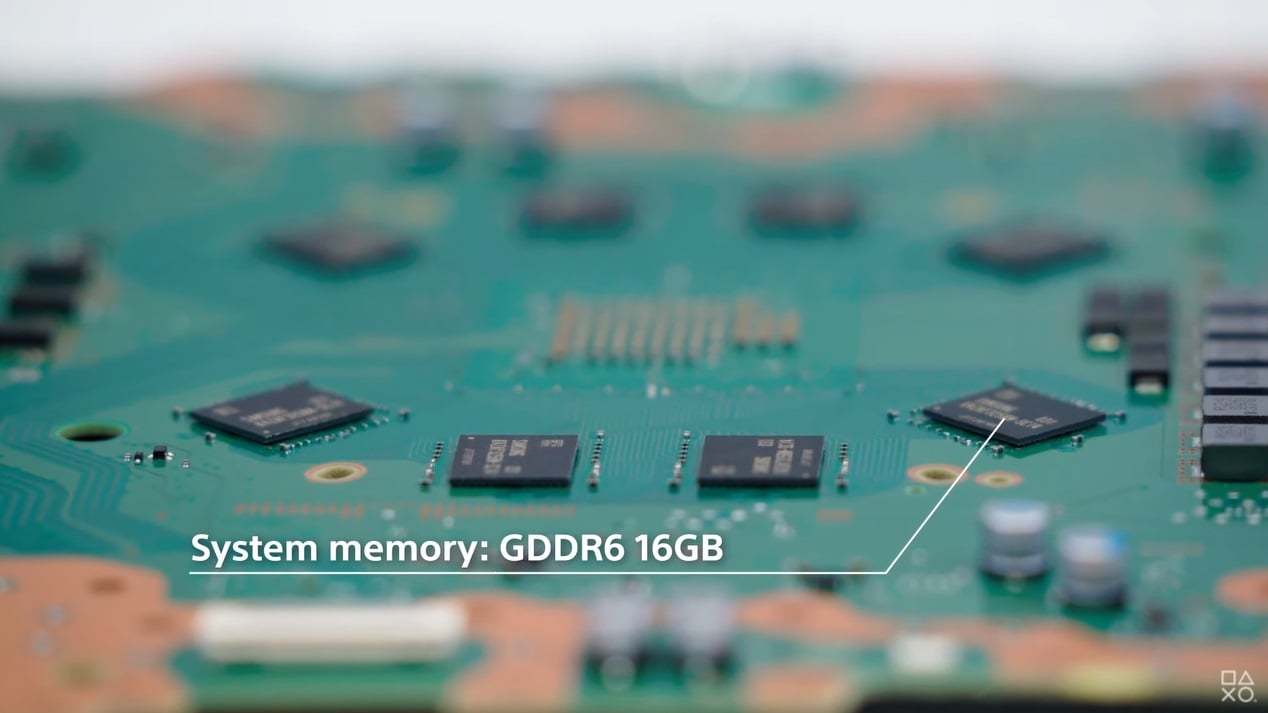
The consumer impact is already visible and escalating. Microsoft raised Xbox console prices by $100 to $150 this summer. Apple raised prices across its product line on the same day. Valve said the Steam Machine would retail above $1,000, calling its original pricing goal “no longer viable.” Sony and Nintendo have also lifted hardware prices. Analysts are now guessing the PS6 will start at $1,000 minimum — up from $900 for the PS5 Pro.
These numbers sound like luxury inflation, but they’re really tax policy. Every time a memory manufacturer raises DRAM prices, every electronics company that isn’t vertically integrated has to pass the cost downstream. There is no alternative source. The three largest RAM makers produce almost all the world’s DRAM. That’s not a market with competition. It’s a market with gatekeepers.
The gaming industry is especially exposed because console hardware is a fixed-cost business with thin margins. A $200 increase in component costs doesn’t get absorbed — it shows up on the shelf. Game development costs are also rising. Memory-intensive workloads — larger textures, more simultaneous assets, higher-resolution rendering — demand more RAM per title. When the RAM gets expensive, development gets expensive too, and that pressure feeds back into game pricing and the subscription models that already dominate the space.
Automotive is another casualty lane. Modern cars are rolling data centers. ADAS systems, infotainment, over-the-air update architectures — they all need DRAM. The sector has been running on razor-thin margins while trying to absorb chip shortages. Higher memory prices don’t just raise car prices; they slow the rollout of features that regulators and consumers are starting to treat as baseline expectations.
The AI Exception
Here’s the part the lawsuit doesn’t fully capture, and where the dynamics get genuinely strange: the companies being sued are the same ones supplying the AI boom. HBM is Micron’s, Samsung’s and SK Hynix’s golden goose. Nvidia’s H100 and B100 GPUs, the training clusters powering OpenAI and Google’s latest models — they all run on HBM. The memory shortage hitting your game console is partly a feature, not a bug, for these manufacturers. They’re rationing conventional DRAM to prioritize the segment that pays most.
The long-term supply deals between the RAM makers and AI firms lock in capacity for years. That means even when new fabs come online — Micron is planning $25 billion in capital expenditure for the first half of its new fiscal year, with new factories expected in 2028 — the extra capacity may not flow to the market segment hurting consumers. It may flow straight to the AI customers who signed the longest contracts and offered the highest prices.
This is the structural shift. The memory market is bifurcating. On one side: HBM for AI, priced at a premium, allocated through multi-year contracts, insulated from commodity logic. On the other: conventional DRAM for everything else — consoles, PCs, cars, enterprise servers — treated as a residual claimant when supply tightens.
What Comes Next
The lawsuit argues the oligopolists are “working together” to fix prices and reduce supply. Whether a court agrees is a separate question from whether the economic outcome changes. Either way, the antitrust case signals something important: the market is reaching a point where even competitors acknowledge the arrangement is unsustainable without legal cover.
For consumers, the near-term outlook is unambiguous. Memory prices will stay elevated through at least 2028. New capacity won’t arrive fast enough or in the right form factor to relieve pressure on conventional DRAM. Electronics makers will keep raising prices. The question is whether they can keep doing so before demand itself starts to break.
n
For the industry, the deeper story is about who controls the bottleneck. Memory manufacturing requires enormous capital, decades of process expertise and a handful of qualified fabs. Barriers to entry aren’t just high — they’re effectively insurmountable for anyone without government subsidy backing. The CHIPS Act and similar programs in Japan and Europe are aimed at exactly this concentration, but they’re measured in years, not quarters.
Micron’s CEO celebrated higher prices on an earnings call. That’s not hubris — it’s a signal. The company knows it has pricing power that won’t face competitive discipline for the foreseeable future. The lawsuit is a bet that someone will enforce a constraint the market won’t impose on its own.
The next generation of game consoles, laptops, cars and data centers will all carry a memory tax. The only question is how much of it ends up in a courtroom and how much ends up on your receipt.