Ghibli Finally Breaks Silence on AI Art — and Calls It Meaningless
Toshio Suzuki's public rebuke of AI-generated Ghibli-style images marks the first official stance from one of the world's most protected creative brands. His argument isn't legal — it's philosophical.
The Heron Problem
There is a scene in Hayao Miyazaki’s 2023 film How Do You Live? in which a heron opens its beak and a human face suddenly emerges. Industry professionals called it impossible to replicate with computer graphics. That impossibility is now the sharpest argument against generative AI — and Studio Ghibli’s leadership thinks it proves something far bigger than a single visual trick.
On September 6, Toshio Suzuki, the 78-year-old co-founder and chairman of Studio Ghibli, told the Asahi Shimbun that AI-generated images mimicking Ghibli’s aesthetic “have no meaning, no fun” and that “AI cannot imitate Ghibli.” It was the studio’s first official public statement on the wave of AI art that swept across the internet roughly a year ago.
The timing matters. Suzuki spent that entire period declining interview requests. He told reporters later that he expected the trend to burn out on its own — and it did. But the fact that he ultimately chose to speak suggests the silence was strategic, not dismissive. Ghibli was waiting to see whether the conversation would mature enough to warrant a response.
What the Refusal Meant
Suzuki’s refusal to engage wasn’t indifference. It was a calculation that anyone who gave the AI-generated Ghibli images oxygen was lending them credibility they didn’t deserve. By staying silent, he forced the phenomenon to stand on its own merit — which, as it turned out, was thin.
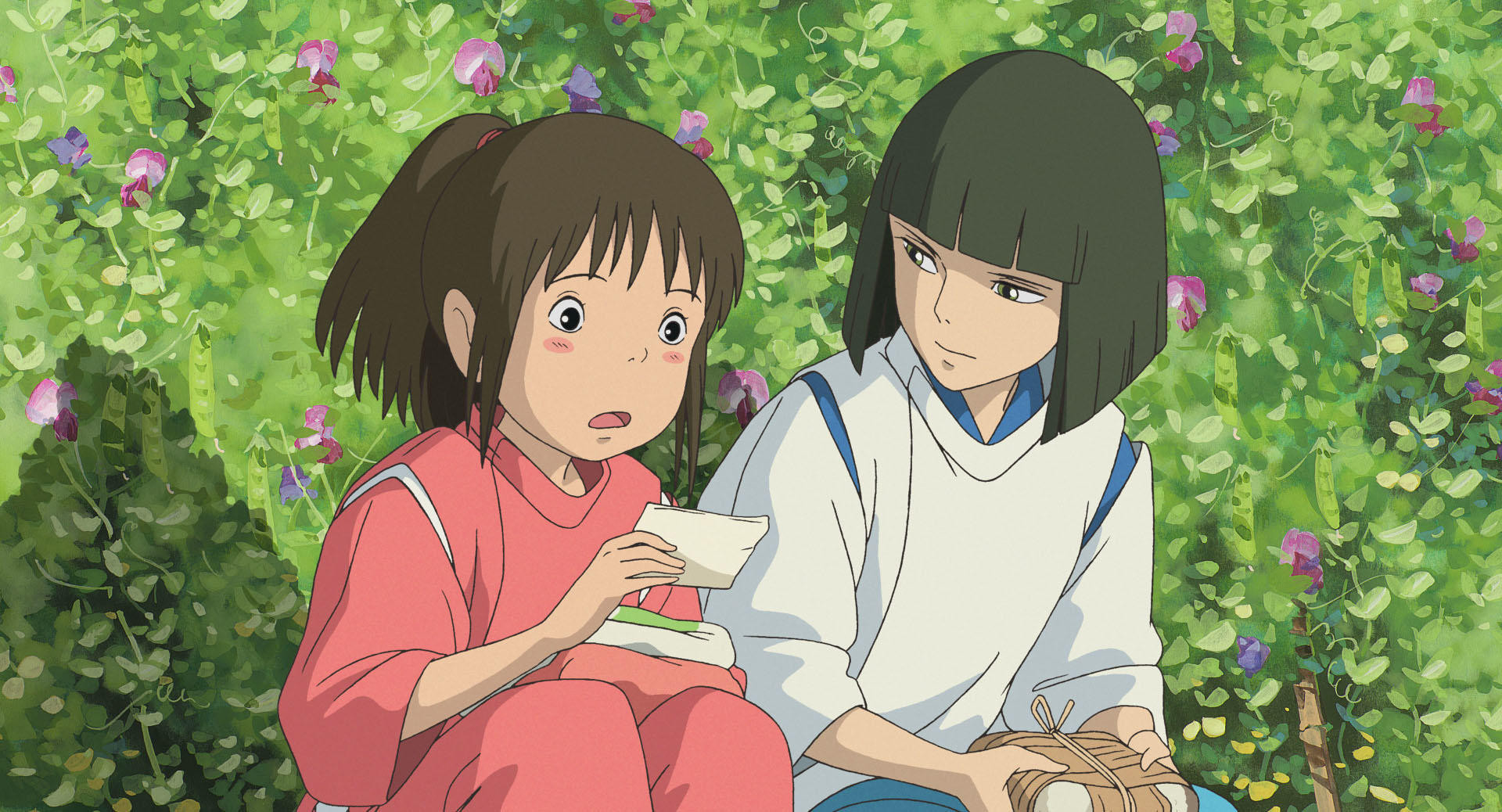
The images themselves were technically competent pastiches: soft watercolor textures, pastoral landscapes, characters with wide eyes and rosy cheeks. They played on an emotional register that Ghibli’s audience recognizes instinctively. But as Suzuki put it, “someone with even basic knowledge can tell it’s fake immediately.” The word “basic” is doing heavy lifting here. The judgment doesn’t require a degree in art theory — just familiarity with the source material.
That’s the quietly radical part of Ghibli’s position. They’re not making a copyright argument. They’re not threatening lawsuits or filing takedown requests. They’re making an aesthetic claim and asking the public to trust its instincts.
Miyazaki’s Blind Spot Is the Point
Suzuki revealed something that will unsettle anyone who views AI as an inevitability: Miyazaki is unaware of generative AI’s existence. When discussed, the director reportedly recoils. Suzuki described him as someone who avoids engaging with contemporary events almost entirely — yet his work cuts into modern society with unsettling precision.
“He knows instinctively what’s happening,” Suzuki said. This isn’t contradiction. It’s a philosophy of creation that runs counter to the logic of training data. Miyazaki works in isolation from the surrounding noise — news cycles, social media, trending aesthetics. That withdrawal isn’t ignorance. It’s the condition of his craft.
Suzuki drew a direct line between that isolation and the heron scene. The image Miyazaki produced — a face erupting from a bird’s beak, organic and unclassifiable — is precisely the kind of thing that computational systems struggle with. AI models excel at pattern recognition and recombination. They falter at the genuinely strange, the intuitively assembled, the image that couldn’t have been derived from any existing training example.
The 1989-to-present timeline Suzuki referenced — his long career working alongside Miyazaki on nearly all of the director’s theatrical releases — gives him authority on this. He isn’t speculating about Miyazaki’s process. He’s observed it for decades.
Why This Matters Beyond Japan
The AI art debate has been dominated by lawyers, developers, and platform executives. Studios have mostly stayed quiet or issued carefully worded statements. Ghibli’s directness is unusual for an institution of this caliber. More importantly, the argument Suzuki is making is exportable.
Copyright law is territorial and slow. Aesthetic argument travels instantly. “AI cannot imitate Ghibli” is not a legal claim — it’s a challenge. It says the work exists in a category that machines cannot access, not because of proprietary techniques but because of the conditions under which the work was made: isolation, instinct, a resistance to the visible currents of the time.
If that argument holds — and the public response to AI-generated Ghibli images suggests it does — it sets a template. Other studios with strong aesthetic identities, from Pixar to Toei to Cartoon Saloon, could articulate similar positions without filing a single lawsuit.
The Longer Game
Suzuki’s statement arrived roughly a year after the initial wave of AI-generated Ghibli imagery. The trend faded, but the technology hasn’t. Each new model iteration produces more convincing pastiches. The question Ghibli is now forcing into the open is whether “convincing” is the right benchmark.
An AI image might replicate Ghibli’s color palette and composition to a high degree of fidelity. But Suzuki’s point is that fidelity to surface is not the same as fidelity to source. The source isn’t a style guide. It’s a person who deliberately shut out the world to make something the world hadn’t seen before.
That distinction is why the heron scene matters. No amount of training data on Ghibli films can produce it — because it wasn’t produced from training data. It was produced from a mind that had spent years refusing to listen to anything outside itself.
Ghibli’s silence lasted long enough for the public to judge the AI images for themselves. Their eventual statement didn’t need to argue from IP law. It only needed to say what millions of viewers already knew: the copies are hollow. And in saying that on the record, Ghibli has shifted the conversation from “can AI imitate this?” to “should it matter if it can?”