GOP Civil War: Battleground Republicans Break With Trump
As midterm elections approach, vulnerable Republican lawmakers in key swing districts are publicly diverging from Trump on Iran, data centers, and trade — exposing fractures that could determine party control of Congress.
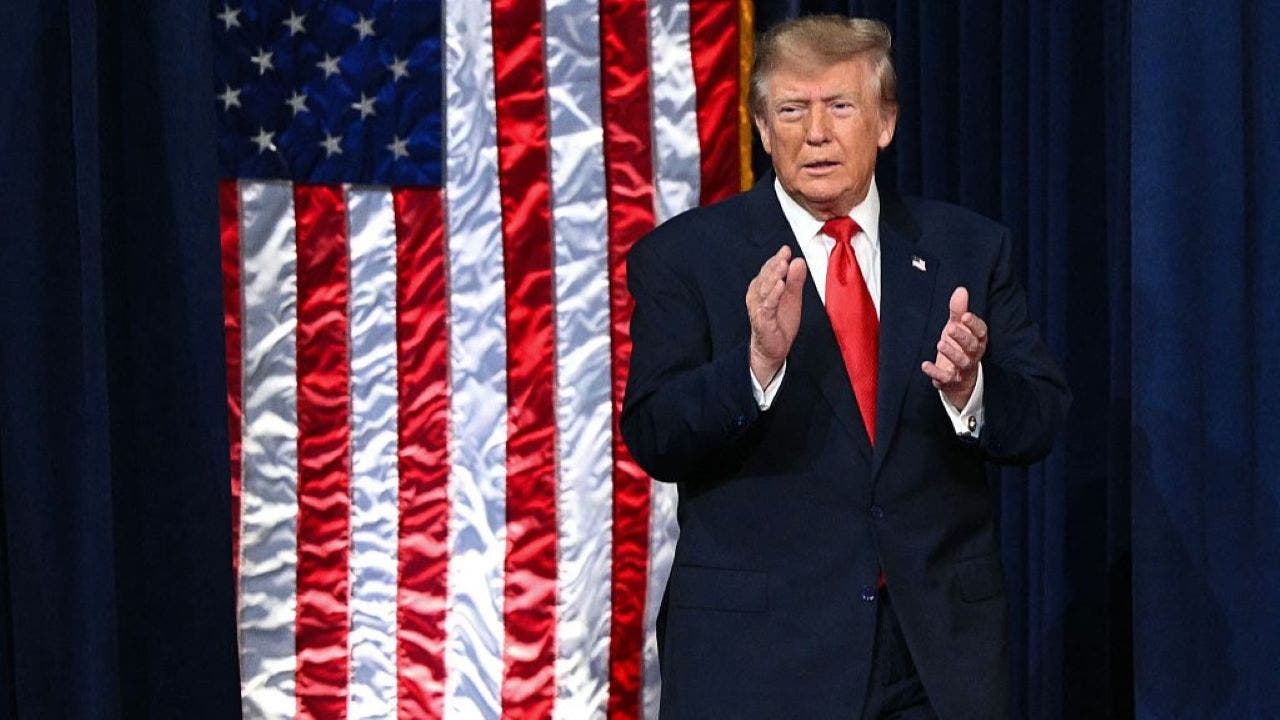
The fractures are visible, even if the White House denies them.
With three weeks until voters decide whether Republicans keep Congress, a quiet reckoning is unfolding in swing districts where Trump’s political gravity has become a liability. At least two House Republicans — Jen Kiggans of Virginia and Mike Lawler of New York — have run attack-style advertisements that highlight conflicts with the president. Kiggans’ ad positions her as a bipartisan dealmaker who bucked Trump on offshore wind. Lawler’s spots feature Trump calling him a pain in the ass over state and local tax deductions.
The pattern matters more than any single ad. These are not safe-seat Republicans performing independence for a primary audience. They are candidates in districts that could flip, where the base and independent voters occupy overlapping coalitions. For them, loyalty to Trump is no longer automatically sufficient political capital. It can also be a drag.
The Republican National Committee insists this is theatrical rather than structural. RNC spokeswoman Natalie Baldessarre told Fox News Digital that Republicans remain united behind the president’s agenda of cutting taxes, lowering drug costs, and securing communities. White House spokesperson Davis Ingle echoed the line, calling Trump the unequivocal leader and unmatched motivator of the party. He cited tax cuts, border enforcement, crime reduction, and stock-market gains as proof of a robust MAGA coalition.
The data suggests a more complicated picture.
Iran is the canary.
The single clearest fault line is the war with Iran. A growing number of Republicans have voted for Democratic war-powers resolutions seeking to rein in the president’s military operations. Rep. Marianette Miller-Meeks of Iowa flipped from supporting GOP position measures to joining Democrats in mid-September. Rep. Max Miller of Ohio called for a swift exit from the conflict, distinguishing Trump’s earlier anti-nuclear diplomacy from what he described as an irresolvable stalemate with Iranian leadership.
Rep. Tom Barrett of Michigan stands out as one of the few House Republicans who consistently voted against the Iran operation without congressional authorization. Barrett did not frame this as partisanship. He framed it as institutional boundary-setting. That framing allows him to maintain his base while signaling to moderates that he will not treat presidential authority as unlimited.
The trend is cumulative. Each Republican defection on Iran makes the next one politically easier. Even Trump allies in vulnerable seats are absorbing the message that prolonged military engagement abroad is politically toxic at home.
Data centers expose the rural-suburban squeeze.
Trump’s enthusiasm for big-data infrastructure collapsed into an odd cultural flashpoint when his Truth Social posts declared that communities opposing data centers simply wanted to remain backwards and poor. The president was describing a very real economic debate — whether the United States should accelerate server-farm construction to meet demand from AI and cloud computing. His phrasing, however, turned it into a referendum on local autonomy.
Former Rep. Mike Rogers of Michigan and Sen. John Husted of Ohio both appeared at Trump’s September midterm convention and both voiced reservations. Rogers called for a moratorium on federal action until voter concerns are answered. He argued explicitly that a federal ban on data centers would imply a federal mandate to build them — a point that reframes the debate as one about jurisdiction, not just zoning.
Barrett repeated the argument at the district level, criticizing non-disclosure agreements that let corporations plan facilities without community notification. The trust grievance here is specific and potent. It is not anti-development. It is pro-transparency, which is a position that polls well even in districts that benefit economically from tech investment.
Trump’s rhetoric may have handed his own party an organizing issue it did not ask for.
Trade and agriculture reopen old wounds.
The pushback on Trump’s plan to import foreign beef is another reminder that the Republican coalition covers farmers and free-trade advocates simultaneously, two groups whose interests often diverge. Rep. Miller-Meeks and Rep. Zach Nunn of Iowa have publicly opposed the import plan. Nunn introduced a bipartisan bill to suspend it while directing the federal government to develop a strategy for expanding domestic cattle herds.
Iowa is not symbolic here. It is a swing state where agricultural voters decide elections. A Republican representative defending beef imports without a parallel commitment to domestic producers is navigating a narrow corridor. Nunn’s bill tries to widen it.
The White House response is coherent but incomplete.
Ingle’s statements were thorough in listing policy achievements and blunt in rejecting the characterization of division. The administration’s view is simple: Trump is the party’s leader, the base is energized, and Republican majorities depend on turning out that base rather than courting moderates.
That calculus worked in 2024. It does not automatically apply in midterm environments, especially in districts where the general electorate is larger and more centrist than the presidential electorate. Doug Heye, a veteran GOP strategist, noted that midterms routinely produce distance-seeking behavior when presidents are unpopular. He added that Trump’s recent actions on issues unrelated to cost reduction or the Iran conflict made some Republican distance politically inevitable.
What this means for legislative power.
If Democrats win even a small number of these seats, the arithmetic in the House shifts noticeably. More importantly, the signal travels beyond Washington. Allied governments monitoring Republican cohesion will see a party negotiating its own terms with its leader rather than following him unconditionally. Adversaries will note the same thing.
The immediate consequence is legislative friction. A Congress that needs Republican votes for foreign-policy actions, trade measures, or infrastructure decisions will face members who have already signaled willingness to break publicly. That is standard politics in a divided government. It is less standard when the break comes from within the president’s own party before the voting is over.
The longer arc.
Lawler’s stage appearance at the September convention — where he acknowledged disagreement with Trump while emphasizing bipartisan effectiveness — captures the strategy these candidates are pursuing. They are not rejecting the MAGA movement. They are trying to survive inside it by demonstrating that loyalty and independence can coexist in the same resume.
Whether that balance holds depends on election results. If vulnerable Republicans lose, the party will likely consolidate tighter around Trump. If they win, the faction that prioritizes district-level flexibility will gain institutional weight.
Either outcome reshapes the Republican Party. The only uncertain variable is timing.