GoPro's AI Pivot Shows Creator Cash Is Moving Up the Stack
GoPro is merging with an optical-photonics firm for $285 million and a YouTube star just became its largest individual shareholder. The move signals a new pipeline from creator-economy wealth into AI infrastructure hardware.
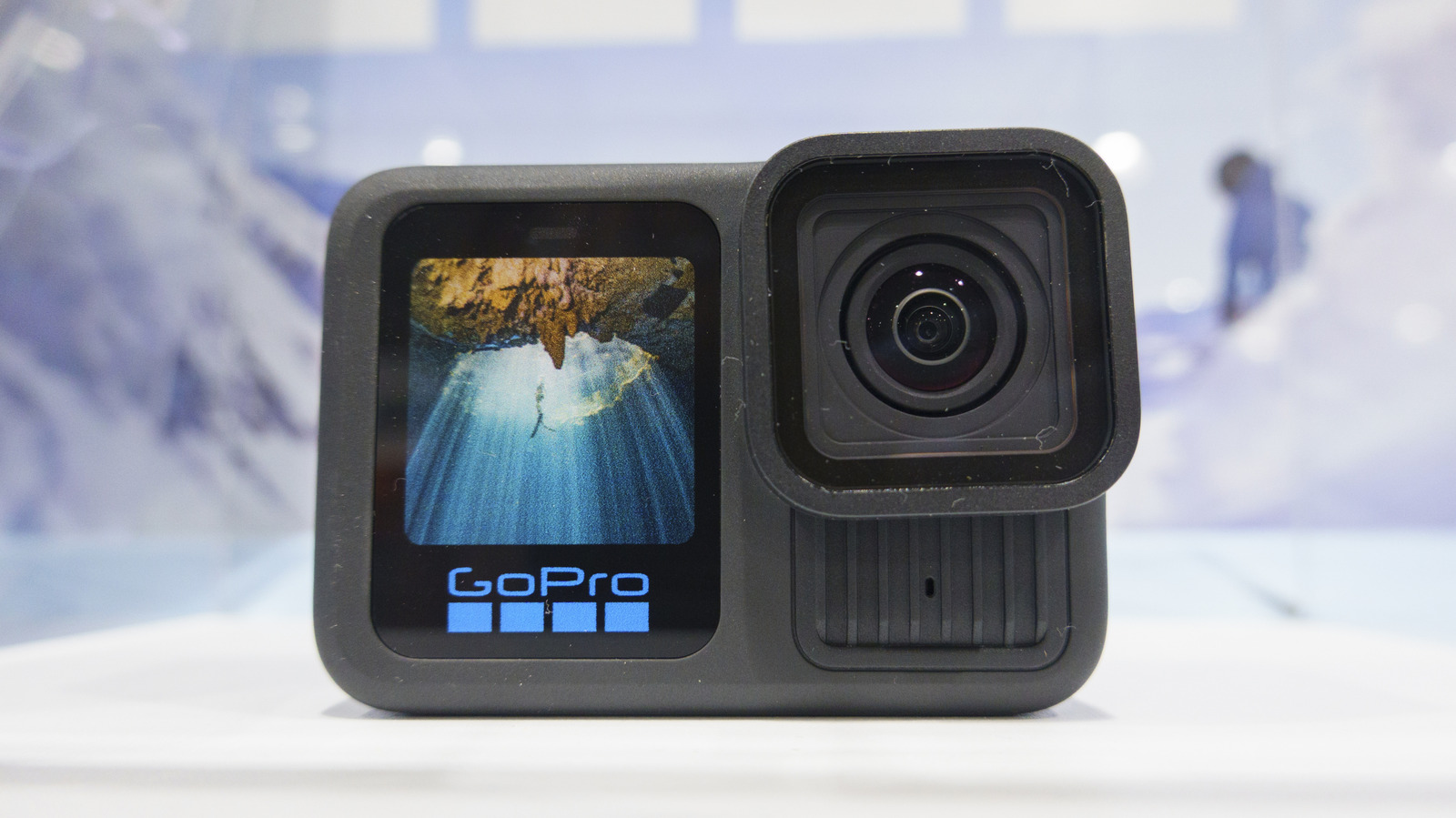
GoPro Just Bought Its Way Into AI Infrastructure. Here’s What It Actually Means.
GoPro announced a $285 million merger with Starman Optical, an optical-photonics company whose transceivers are the plumbing of AI data centers. The news dropped alongside word that Mark Fischbach — better known as the YouTube superstar Markiplier — had become the firm’s largest individual shareholder with an 8.5 percent stake. The stock jumped. The pivot is real.
On the surface this is a desperate act by a camera company that has lost its way since its 2014 debut, which briefly valued it at $4 billion before it settled into a long decline. But look closer and the story changes. GoPro is not the first consumer brand to stumble into AI infrastructure — shoemaker Allbirds made the same jump last year — but it may be the one that illuminates the pattern most clearly.
The Deal in Plain English
Under the terms, GoPro shareholders will receive $285 million at close and retain roughly 10 percent ownership of the combined entity. Outstanding debt of about $92 million will be retired. GoPro will keep making action cameras and running its subscription services while folding Starman’s optical-transceiver business underneath it. The combined company will also target defense, government, robotics and aerospace, using the optical and imaging IP that both firms now carry.
The deal still needs shareholder approval and regulatory sign-off. GoPro says it expects to close by the end of 2026 — a long runway for something this unpredictable.
Starman’s transceivers move electrical signals into light and back again inside data centers. They are a small but critical component in the chain that connects GPUs across racks. Demand is surging as AI builders scale out clusters that stitch together thousands of accelerators. That demand is why a company that makes cameras for skydivers suddenly looks like an infrastructure play.
Why a YouTuber Is Now the Biggest Shareholder
Fischbach’s entry is the kind of detail that turns this from a routine M&A story into something worth tracking. He did not acquire a controlling stake. Eight and a half percent does not make you the boss. But it does make you the most visible individual owner of a publicly traded company that once defined the action-camera category and is now trying to become something else entirely.
Creator-economy money is no longer confined to media, software or e-commerce. It is showing up in industrial and infrastructure names. Fischbach’s position signals that the wealthiest content creators are treating AI hardware as a legitimate allocation class — one that sits above the platforms they built on and below the chip fabs they can’t touch.
This is the next layer of monetization for creator capital: after funding studios, agencies and direct-to-consumer brands, the money is moving up the stack into the physical infrastructure that the content industry helped fund in the first place. The algorithm recommendations that drove views were powered by servers. The servers sit in data centers. The data centers need transceivers.
Who Wins, Who Loses
GoPro’s remaining cameras business may gain credibility by association with an infrastructure narrative, even if the two businesses barely overlap operationally. The defense and aerospace push, if it materializes, would give the combined company exposure to government contracts with longer cycles and stickier revenue than seasonal gadget sales.
Starman’s technology — and likely its existing customers — moves from being a private photonics supplier to a division of a listed company with broader distribution and deeper pockets. That can be a gift or a liability depending on whether Starman’s leadership retains autonomy.
Incumbent optical-transceiver makers face a curious new competitor. A brand with a consumer-facing halo, a high-profile creator-owner and access to defense spending is not a traditional rival in this space. The advantage is not in unit cost alone but in channel access and name recognition that could open doors to customers who prefer working with established corporate entities rather than niche suppliers.
GoPro’s traditional shareholders are the ones taking the risk. They are accepting a merger that dilutes their identity as a camera company in exchange for a shot at a larger market. If the clock runs out before 2026 or regulators balk, the stock could fall back to where it was before the announcement.
The Bigger Signal
The real story here is not GoPro specifically. It is the direction the capital is flowing. Creator-economy wealth reached a point where media plays alone cannot absorb it. Those who got rich on attention are now parking it in the things attention depends on — power, cooling, networking, chips. GoPro and Allbirds are early, imperfect examples of that migration. They will likely not be the last.
If this pattern holds, the next few years will see a wave of consumer and media companies acquiring or partnering with infrastructure firms, not because they understand semiconductor physics but because their owners understand where the money is going and want a slice of the buildout. Some of those deals will work. Several will not. The ones that do will blur the line between content companies and industrial companies in ways that traditional sector classification will struggle to capture.
For now, GoPro is a camera maker with a photonics acquisition and a YouTube star on its cap table. What it becomes depends on whether the combined team can sell transceivers to the same kinds of buyers that buy server switches, and whether the defense push translates into contracts rather than press releases. The merger does not close until late 2026. Until then, the market will decide whether this is a pivot or a punt.