Gundam SEED Freedom Zero and the Anime Export Playbook
The announcement of Gundam SEED Freedom Zero at NYCC 2026 isn't just franchise news — it's a signal of how Japan is weaponizing nostalgia for global box office returns.
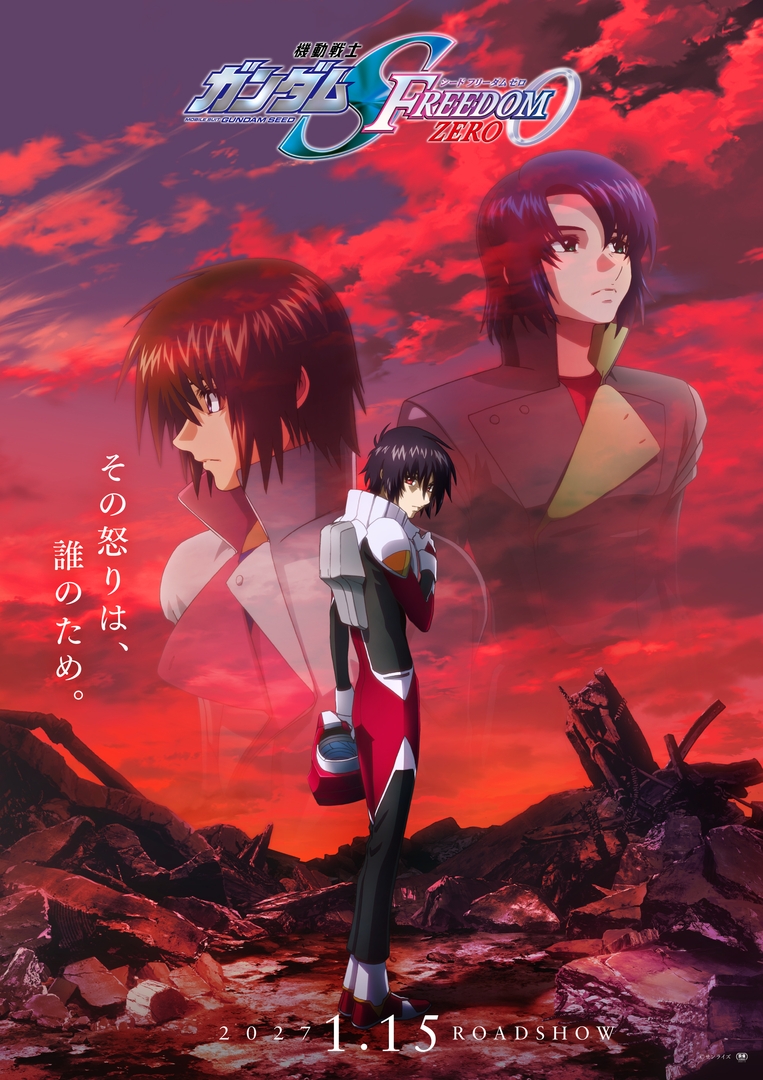
The Announcement That Wasn’t Just for Fans
The Gundam SEED Freedom Zero reveal at New York Comic Con in October 2026 did something quietly strategic: it announced a January 2027 Japanese theatrical release to an international audience first. The panel’s information drop went live on the Gundam Channel at 4:45 AM Japan time, which is when the NYCC stage happened. Japanese fans watching YouTube at home got the same details simultaneously with New York attendees. That simultaneity is the point.
This is not a regional franchise playing it safe. It is a Japanese IP deliberately timing its biggest reveal window for the Western convention circuit, where the secondary market for premium collectibles is strongest and the word-of-mouth engine runs hottest.
The Prequel Strategy Behind the Hype
Freedom Zero is a prequel to the 2024 film Freedom, which itself was a commercial surprise that reinvigorated a franchise many had written off after the 2005 sequel movie. The story centers on the theft of the Strike Freedom Gundam at the Compass interim base on Onogoro Island in Cosmic Era 74 — years before the events of the 2024 film. The protagonist is Shinn Asuka, whose arc the director Mitsuo Fukuda says will explore parts that were left unfinished, drawn from a completed script manuscript by the late Chiaki Kon, who handled series-wide screenwriting for the SEED saga.
Why a prequel? Because prequels are lower-risk, higher-reward vehicles for franchise expansion. They require no continuation of existing plot threads that could alienate casual viewers. They let studios mine established emotional beats — the Strike Freedom’s iconic design, the ZAFT aesthetic, the character chemistry fans already love — while packaging them as a contained theatrical event. It is the franchise equivalent of a greatest-hits album with new tracks.
The Premium Collectible Economy
The Bandai Spirits product lineup attached to the announcement tells you more about the business model than the trailer ever could. The HG 1/144 Murasame Kai (early production type) ships in December 2026 at 2,970 yen. The MG Infinite Justice Gundam & Booster Unit (titled) launches February 2027 at 4,070 yen. But the real revenue signal sits in the Metal Robot魂 tier: the Infinite Justice Gundam SEED Freedom Zero Ver. at 19,800 yen, and the Rising Freedom Gundam Radiance Granzer at 26,400 yen for the early GUNDAM-Con side event.
Those are adult collector prices. The Mega House Masterlise figures — Shin, Lunamaria, Leo, Lacus at 800 yen per lottery pull — cast a wider net. Together, they form a pricing ladder that extracts maximum revenue across three segments: casual hobbyists, serious model builders, and high-spending completists.
The Murasaki-colored Agnes appearance with blonde hair, the Guf Ignited Custom variants, and the inclusion of returning characters like Athrun, Kira, Cagalli, Mu, and Murrue are all calibration moves. They signal to long-time fans that this project respects the franchise’s full timeline while keeping the narrative door open for newcomers.
Why This Matters Beyond the Box Office
The SEED Freedom Zero announcement arrives at a moment when Japan’s animation export economy is being reshaped. Streaming revenues from Netflix, Crunchyroll, and regional platforms now subsidize domestic production budgets at levels the 2000s toy-driven model never achieved. Theatrical releases, once the primary revenue event for flagship franchises, now compete with simultaneous global streaming windows. A project like Freedom Zero occupies the narrow profitable middle: it generates theatrical income, triggers a coordinated merchandise wave, and builds content for the streaming back catalog — all while the international fanbase is most engaged during convention season.
The NYCC platform choice is deliberate. Panel announcements at major Western conventions generate press coverage that outlives the event itself. English-language anime media cycles run hot for weeks after a major reveal. That press amplifies the merchandise preorder window before Japanese retail even processes the announcement. By the time the January 2027 theater date arrives, the global conversation has been running for months.
Who Wins and Who Misses
Bandai Spirits wins. Sunrise wins. The adult SEED fanbase, hungry for canonical continuity after the 2024 film’s ambiguous ending, wins. The secondary market for resale premiums on early-release figures will likely see gains.
The risk sits with casual viewers who picked up SEED Freedom in theaters without prior franchise investment. The prequel format demands familiarity with Cosmic Era lore — the Coordinator vs. Naturals conflict, the ZAFT military structure, the philosophical tension behind the Destiny Plan — that three hours of screen time cannot fully convey. The film risks becoming an insiders’ event dressed as a general release.
There is also the ghost of Chiaki Kon’s completed manuscript. Fukuda confirmed the script is finished, but the director’s note about expanding on unresolved character moments for Shinn and Lunamaria suggests narrative revisions may diverge from Kon’s original intent. For a franchise built on ideological debate and character-driven drama, that editorial distance is a variable worth watching.
What Comes Next
The Metal Robot魂 Rising Freedom Gundam’s GUNDAM-Con 2027 early sale date suggests Bandai is already preparing a North American launch window separate from the Japanese theatrical release. The lottery figure announcement and the SEED Grand Prix 2026 visual material indicate a year-long promotional runway leading to the January 2027 premiere.
If the 2024 Freedom film’s performance is any indicator, the theatrical ceiling is solid but not blockbuster-tier. The real money is in the 18-month merchandise cycle that follows. What Freedom Zero proves is that Bandai and Sunrise now treat global convention season as a release planning anchor, not an afterthought. The Japanese animation industry’s export economy no longer waits for overseas distributors to discover its products. It announces them where the buyers already are.