HBO Recasts Lockhart Again—And It Changes the Whole Show
Kit Harington replacing Nicholas Hoult in two weeks signals something deeper than a scheduling headache. The Harry Potter series is pivoting hard toward a darker, more star-driven tone for Chamber of Secrets.
The Two-Week Swap That Says Everything
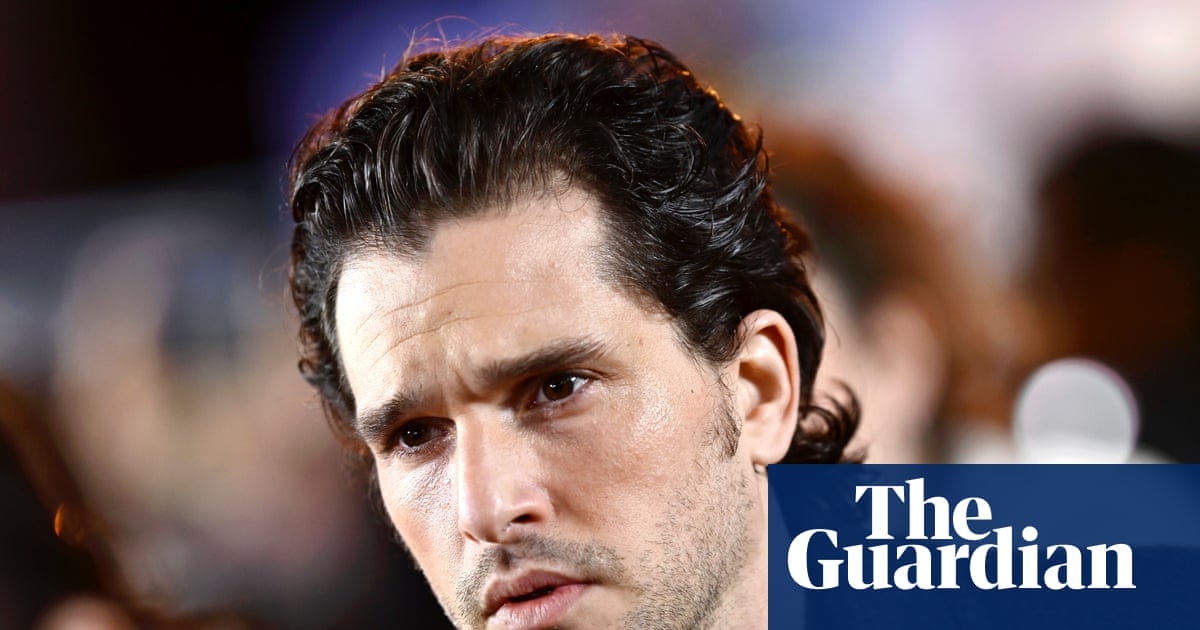
The news broke quietly: Kit Harington is replacing Nicholas Hoult as Gilderoy Lockhart in HBO’s Harry Potter series. The cast announcement for Hoult had come just fourteen days earlier. Fourteen days between announcement and abandonment. That is not a normal production cycle; it is a panic cycle.
HBO is calling it a scheduling conflict. Hoult had other commitments after his turn as Lex Luthor in the recent Superman film. But the logistics of replacing a lead-adjacent performer in twelve days—rewriting, reshooting, reconfiguring an entire season’s arc around a character who appears in one book—suggests something tighter than a calendar clash. Whether or not the scheduling explanation is true, the timing is a signal: HBO is nervous, and nervousness drives decisions faster than strategy.
The Backlash That Never Stopped
There is a second layer most reporting is ignoring. Hoult’s casting drew sustained backlash from portions of Rowling’s fandom opposed to her public positions on sex and gender. The criticism was not subtle, and it did not evaporate after the announcement. By swapping him out before Season 2 cameras roll, HBO is quietly acknowledging that the controversy was costing the show something it cannot afford right now—a distracted press cycle eating into the marketing window for a holiday premiere.
This is not the first time the franchise has absorbed friction from the culture war around Rowling. But HBO has spent years proving it can sit inside controversy without being consumed by it. Game of Thrones survived political storms. Industry did too. The difference now is that the franchise’s audience is no longer monolithic. The old divide between " Potter fans" and “anti-Rowling fans” has hardened into something less navigable for a studio that relies on consensus buzz to carry a seven-season commitent.
A scheduling fix on paper is cleaner than a PR strategy in practice. That is the gap this recast exposes.
Harington Was Already Inside the Role
Here is what makes this swap legible: Harington already played Lockhart. Not a hint of him. He voiced the character in Audible’s full-cast adaptation of Chamber of Secrets, released in 2025. He told Collider he had spent months inside Lockhart’s cadence, the character’s vanity, his performative bravado masking incompetence. He called the role a “dream” and said the audiobook had given him a taste.
That detail matters more than it reads. Voice work is not the same as physical performance, but it is closer than you might think. Harington knows the character’s rhythm. He knows where the comedy lands. When he walks onto a set that has not yet been reconfigured for a new Lockhart, he will not be starting from zero—he will be adapting a performance he already built.
For a show entering its second season with a brand-new lead ensemble—Dominic McLaughlin as Harry, Arabella Stanton as Hermione, Alastair Stout as Ron—that continuity is not trivial. Lockhart is one of the few returning archetypes from the books, and Harington’s pre-existing relationship to the part creates a rare throughline between audio and screen.
The Tone Problem Nobody Is Naming
Lockhart is not a tragic figure. He is a satirical one. He is a celebrity wizard whose entire career rests on stolen reputations, a man who curates his image until the image is all that survives. In the books he is a caustic joke about fame culture, media fabrication, and the hollow architecture of self-branding. Branagh played him in the 2002 film as something closer to buffoonery—large, theatrical, almost Looney Tunes.
HBO’s version of Lockhart will need to be sharper than that. The show is building toward a darker Chamber of Secrets story, one that touches on blood purity, institutional failure, and the slow poisoning of a school. A bumbling comic relief character does not fit that register. But a Lockhart who understands performance as power—the kind of man who knows exactly how to manipulate perception—does. That shift requires an actor who can toggle between charm and menace, who can make the audience suspect Lockhart’s every grin.
Harington is not known for that range. He is known for brooding stoicism. Jon Snow did not smile much. The move is not obvious casting for a comedy turn. It is a challenge, and challenges are how you get honest reviews instead of polite ones.
What Happens Next
Season 1, based on Philosopher’s Stone, premieres December 25. Season 2 filming begins this autumn. That gives Harington roughly four months to absorb the role from scratch on set, even with his audiobook preparation. It also means the press cycle around the recast will run concurrently with early promotional push for Season 1, which could dilute attention either way.
HBO faces a second question as well: Gracie Cochrane, who plays Ginny Weasley in Season 1, is also departing for Season 2. With two major cast changes now in the wings, the show risks looking perpetually unsettled before it has even proved itself. Every recast announcement invites speculation about what else is shifting behind the scenes. The longer the cycle continues, the more the narrative shifts from “this is a bold new adaptation” to “is this show stable enough to finish?”
The answer to that will come down to how firmly the creators hold the door shut to further noise. Harington’s appointment is defensible on its own merits. The question is whether the speed of the swap undermines the confidence the show needs to project as it moves toward a much larger story.