Hololive's First Anime Is a Bet on Virtual Idols as Mainstream Stars
Cover Corp's Hololive has spent five years planning its first TV anime, now slated for a production reveal on September 23 and a likely 2027 release. What this project signals about the virtual-idol industry's ambition to cross into traditional animation is worth watching closely.
The Five-Year Wait for an Anime That Was Always Coming
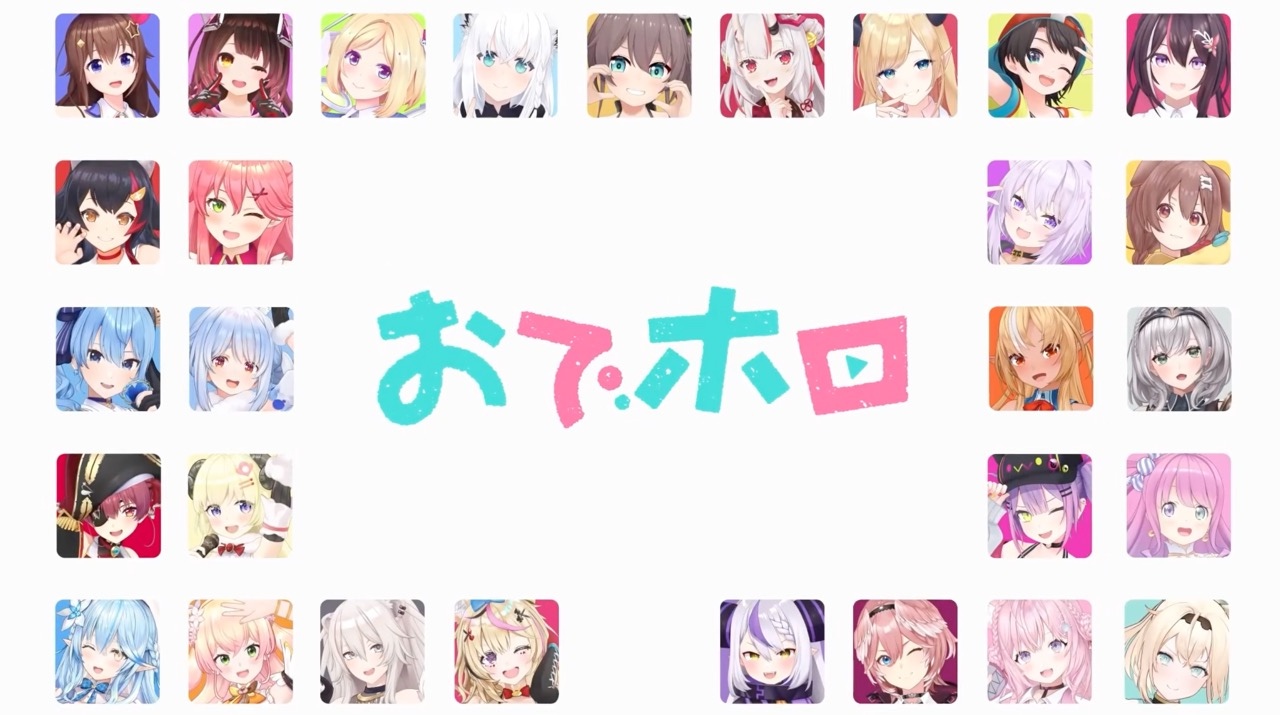
Hololive’s first TV anime has finally crossed from rumor into announcement, though the word anime barely does justice to what this project represents. The company behind Hololive, Cover Corp, began conceiving the show nearly half a decade ago, quietly preparing for a moment when its virtual-idol roster would carry a serialized animated work. That moment is now in motion.
The project, informally dubbed “odehoro,” was revealed on September 7, 2026, during a special information program called hololiveNext. It coincides with the company’s tenth anniversary countdown — Hololive launched on that same date in 2017, when VTuber Tokino Sora began her first stream. Cover CEO YAGOO, whose real name is Mototeru Tanegō, disclosed that the anime concept has been in development for approximately five years. No title, story, or cast details have been released yet. Those will arrive during a second broadcast on September 23 at 8 p.m., hosted by Hololive talents Momosuzu Nene, Ozora Subaru, Shirakami Fubuki, and Okami Mio, with a special segment featuring Hoshimachi Suisei and Kanae.
The production studio behind the project may be the most telling detail: Studio Kai, known for animating Uma Musume Pretty Derby. That series, which transforms racehorses into high-school-age girls who compete in tracks, became a cultural phenomenon in Japan and a template for how virtual and gaming IPs can cross into mainstream animation.
Why Studio Kai Matters Here
Uma Musume is not simply a popular anime. It is a proof of concept for an entire business model. The series demonstrated that a game IP with a built-in fanbase, when adapted into television animation by a capable studio, could drive merchandise sales, music streaming, live events, and brand partnerships simultaneously. Studio Kai delivered that engine. Its portfolio also includes Fist of the North Star: Ken’s Rage and several Hololive music video animations, giving the studio a rare dual fluency in both mainstream shonen-style action and virtual-idol aesthetics.
For Hololive, hiring Studio Kai is not a creative gamble — it is an institutional one. Cover is entrusting its first televised narrative to a studio that has already proven it can translate virtual-properties into broadcast-worthy content. The question is whether Uma Musume’s formula can be reproduced with an ensemble of individual virtual streams, each with their own persona, fanbase, and content history.
The Economic Stakes of a Virtual Idol Anime
Hololive operates a fundamentally different model from a traditional anime production. In conventional anime, a studio creates characters and stories, then builds a fanbase through broadcast. Hololive works in reverse: its talents cultivate audiences directly through live streaming, and the company then monetizes those relationships across music releases, merchandise, concerts, and licensing. An anime adaptation flips the script entirely — it becomes yet another revenue stream layered onto an existing fandom rather than a vehicle for building one.
That distinction is critical. When Hololive’s anime airs, it will not be introducing new characters to skeptical viewers. It will be presenting established ones to an audience that already knows their voices, their histories, their inside jokes. The real test is whether casual anime viewers unfamiliar with Hololive can engage with the product on its own terms. If they can, the economic upside is enormous. If they cannot, the project risks becoming an expensive loyalty play aimed only at existing fans.
Uma Musume succeeded because its characters had narrative depth beyond their source material — fictional racehorses with backstories, rivalries, and dramatic arcs. Hololive talents are different animals, literally and figuratively. They are performers who built their brands on unscripted interaction, spontaneity, and parasocial intimacy. Translating that quality into scripted animation is an unresolved creative problem that no one in the industry has solved at scale yet.
Who Wins, Who Loses
Cover stands to win if the anime performs well. A successful series would validate the company’s decade-long strategy of treating virtual idols as multimedia franchises rather than streaming personalities. It would also strengthen Cover’s negotiating position with streaming platforms, advertisers, and international partners. The anime market in Japan is crowded, but a proven virtual-idol property with a ten-year head start carries advantages most new IPs lack.
Studio Kai benefits too, gaining a high-profile project that could cement its reputation as the go-to studio for hybrid gaming-anime virtual-idol adaptations. Other VTuber agencies may watch closely and accelerate their own anime ambitions, potentially creating a wave of similar projects in the coming years.
Viewers who are not already invested in Hololive face a harder entry point. Without prior familiarity with the talents, the show risks feeling like insider content dressed as mainstream entertainment. This is the same structural challenge that has limited the mainstream breakout of other VTuber properties. Success will depend on whether the storytelling stands independently or drags the audience into an existing ecosystem of streams and merchandising.
What Happens Next
The September 23 broadcast will reveal the first concrete details about the anime’s story, tone, and cast. Given the five-year development cycle, some speculation in the Japanese press has pointed to a 2027 release date, aligning with Hololive’s tenth anniversary. Whether that timeline holds remains unclear.
What is clear is that this project represents a threshold moment for the virtual-idol industry. Hololive has operated at the center of a new entertainment economy for nearly a decade. An anime is no longer a distant possibility — it is a concrete, scheduled, strategically planned endeavor. How Cover handles the transition from live-streaming star to animated protagonist will shape expectations for every VTuber agency that follows.
The industry is watching. So should anyone interested in where mainstream animation is heading.