Houthi Escalation Shakes Global Energy Markets
The Houthi attack on Riyadh and Iran's mine warfare in the Strait of Hormuz signal the most dangerous escalation since the Middle East war began — one that threatens global energy supplies and tests Trump's strategic resolve.
The Riyadh Strike Changes Everything
Explosions over the Saudi capital on Wednesday were not just another skirmish in an already chaotic war. They marked the sharpest escalation since the Iran conflict began seven and a half months ago — and the moment the fighting truly came home for Riyadh’s civilians.
A Houthi ballistic missile was intercepted over Riyadh, but debris from two other missiles fell on residential neighborhoods, injuring at least four people and damaging 15 homes. The Saudi civil defense released images of shattered windows and shrapnel scatter. This is no longer about remote oil fields or Yemeni battlefields. It is about school runs and evening commutes in one of the Middle East’s most fortified capitals.
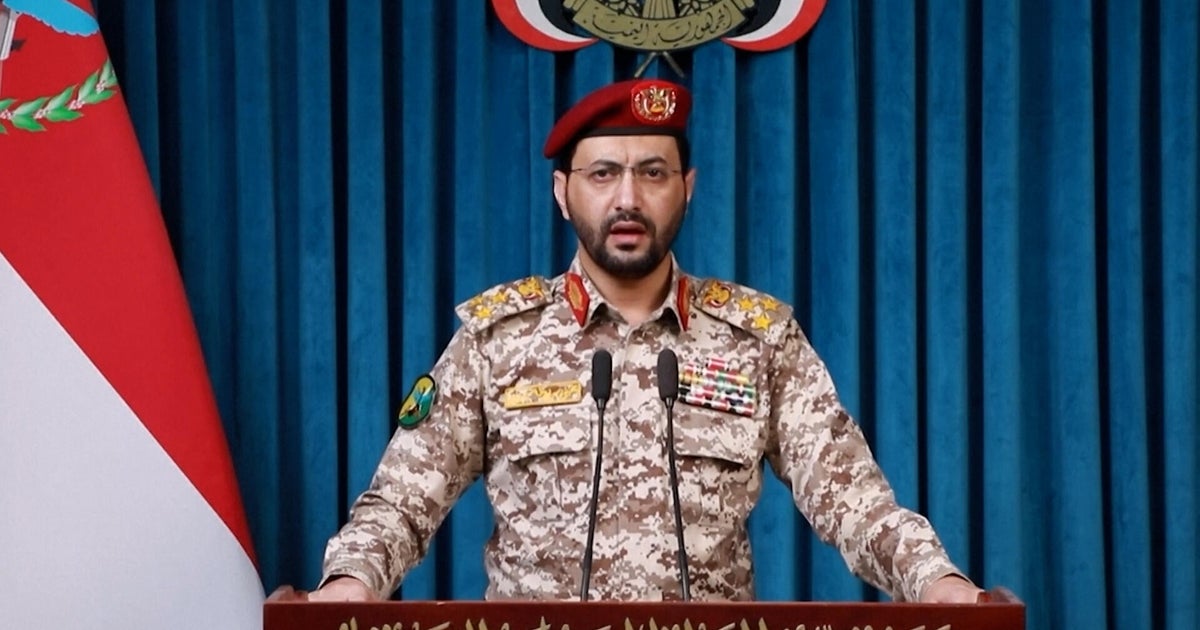
The Houthis did not waste time. Within hours, their military spokesman Brig. Gen. Yahya Saree vowed to keep targeting Saudi Arabia’s international airport and oil infrastructure. He told shipping companies and civilians to evacuate immediately — anyone remaining would be considered a legitimate target.
That message carries weight. Riyadh’s airport has been hit repeatedly this week. The Eastern Province, home to the Aramco facility, is a constant pressure point. One fire broke out in an administrative building at the Aramco compound, though no injuries were reported there.
The Strait Is No Longer Safe
If the Riyadh strikes were a shock, the Strait of Hormuz news was worse for markets.
Iran’s Islamic Revolutionary Guard Corps announced that a cargo ship carrying 2,500 containers had sunk after hitting a naval mine. It is the first time Iran has confirmed a vessel was lost to mining during the conflict.
The timing was deliberately provocative. At the end of August, President Trump declared the strait fully cleared of mines. “Any boat goes through with a mine, we take it out,” he said. Wednesday’s sinking makes that statement look naive, or worse, like wishful thinking that ignored the real threat on the seafloor.
Iran’s IRGC claimed the ship was on what it called an illegal route — likely the convoy corridor the United States has urged commercial vessels to follow near Oman’s coast. There was no independent verification of the sinking. The UK Maritime Trade Operations monitor, which tracks incidents in the region, reported nothing. The fate of the crew remains unclear.
But the symbolism is inescapable. Iran can still lay mines in the world’s most critical oil chokepoint. No amount of US Navy sweeping has guaranteed safe passage.
Saudi Retaliation in Yemen
Saudi-led coalition forces confirmed they struck oil sites across western Yemen on Tuesday, including in Sanaa, Dhamar and Saada. The targets were facilities they said were being used to supply the Houthi war effort.
The retaliation came after what Saudi officials called the deadliest attack on kingdom soil in years. The exchange was swift: Houthi missiles toward Riyadh, then Saudi bombs falling on Houthi-controlled territory. But the cycle of escalation is moving faster than either side’s air defenses can manage.
The Trump Calculus
Trump said Wednesday he is considering joining the strikes against the Houthis directly. That is a significant shift. For months, the United States has maintained a careful distance from the ground war in Yemen, content to patrol the seas and coordinate with Gulf partners.
The calculus is simple but dangerous. If Trump orders American strikes on Houthi targets in Yemen, the group has warned it will target US personnel and interests across the Middle East. That could pull American forces deeper into a conflict that was never designed to be fought on Saudi soil or in the Strait of Hormuz.
Seven and a half months into a war that began with joint US-Israeli strikes on Iran, the geography of the fighting has expanded beyond anyone’s initial design. What started as strikes on Iranian targets has become a multi-front war touching Saudi Arabia, Yemen, the Red Sea, and the Strait of Hormuz.
Who Wins, Who Loses
The Houthis win if they can force America back into a direct confrontation in Yemen. That was always their endgame — making a proxy war into a grand coalition conflict. Their attacks on Riyadh and threats against US interests are aimed squarely at that goal.
Iran wins by staying out of sight while letting its proxies bleed its enemies. The mine strike on the cargo ship is a low-cost, high-impact move. It does not require Iranian pilots or soldiers. It does not invite direct retaliation against Iranian territory. But it sends a clear message: the Strait of Hormuz remains hostage to Tehran’s whims.
Saudi Arabia loses every time missiles fall on Riyadh or fires break out at Aramco facilities. Its economic model depends on the perception of safety and uninterrupted oil flows. Both are eroding.
The United States loses if it walks into a trap. Every Houthi warning about American targets is a challenge to stay out. Every strike Trump orders risks drawing American forces into a grinding war they do not want and cannot easily win in Yemen’s mountains.
Global energy markets are the ultimate scoreboard. Oil prices will react to whatever comes next. The Strait of Hormuz handles roughly 20 percent of global oil consumption. Even the threat of disruption there sends shockwaves through every refining hub from Singapore to Rotterdam.
What Comes Next
The next 48 hours will be decisive. Trump’s decision on whether to order US strikes will determine whether this escalation stays contained or spirals into a broader confrontation. The Houthis have made their threat explicit. Iran has shown it can still disrupt the strait despite American claims of victory.
For now, the fighting is spreading faster than diplomacy can respond. Riyadh is no longer safe. The sea lanes are no longer secure. And the United States is being asked to choose between backing away and stepping deeper into a war it did not start.