Houthi Escalation Is Reshaping Gulf Security
A single Houthi attack killed 53 in Yemen and forced Riyadh's airport closed. The Gulf is watching — and so should global markets.
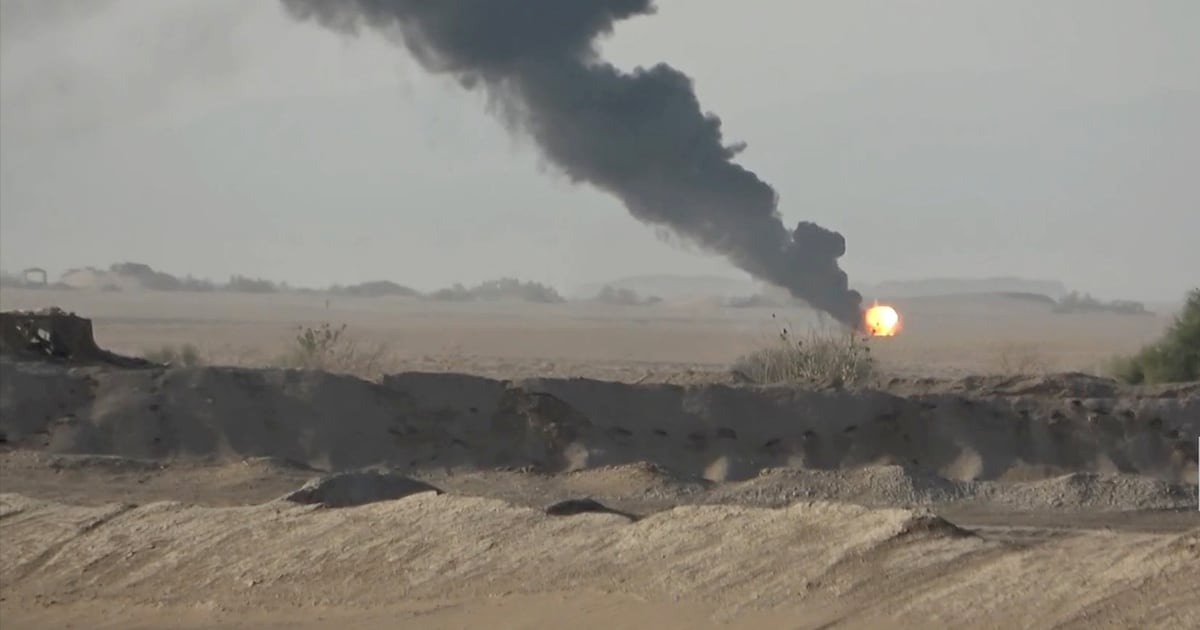
A Training Camp Massacre Changes Everything
Fifty-three people died in a single afternoon inside a Yemeni training camp. That number — far larger than any Houthi strike on Saudi territory since July — signals something harder to quantify: the insurgents have moved from guerrilla harassment to conventional destruction.
On October 19, three ballistic missiles struck the Al-Alam facility in Jawf province, a base that had been quietly hosting coalition forces as part of Riyadh’s strategy to professionalize Yemen’s security apparatus. The death toll, including trainees, made it the deadliest single attack yet. Two hundred more were wounded.
Whose training camp it is remains contested. The Houthis insist it was a Saudi-run military installation; Yemen’s government says it trained local security forces. Either way, the implication is stark — Saudi-backed forces were gathered there in significant numbers, and the Houthis targeted them with precision. Western intelligence assessments suggest the missiles used were upgraded models with extended range and improved guidance systems, pointing to a qualitative leap in Houthi capabilities that has been building for months.
The Broader Attack Profile
This wasn’t an isolated strike. Over 48 hours, the Houthis launched six separate operations involving ballistic missiles, cruise missiles, and drones across multiple targets inside Saudi Arabia — a sustained campaign rather than a one-off provocation.
Aramco facilities in Yanbu (western Saudi Arabia) and the Shoaiba oil field (southeast) were hit. While neither hit appears to have caused catastrophic damage, the symbolic targeting of energy infrastructure sent shivers through an industry already jumpy from earlier Red Sea disruptions. King Khalid International Airport in Riyadh was struck and immediately closed — a rare direct attack on civilian aviation infrastructure that triggered emergency protocols across the kingdom’s air traffic management system.
The Saudi government shifted to remote work as a precaution. Evacuation buses rolled toward Bahrain and Qatar as frightened citizens fled — footage of those convoys, stretching for kilometers on desert highways, became some of the most vivid imagery of the crisis. Charter flight prices out of Riyadh spiked more than 50 percent within hours, a telling indicator of how quickly confidence can evaporate when the home airport shuts down. Luxury hotel occupancy in neighboring Doha jumped 40 percent over the weekend as expatriates and business travelers relocated en masse.
The FFI Fallout
Perhaps the most consequential ripple came from the Future Investment Initiative. Dubbed the “Davos of the Desert,” the conference was meant to showcase Saudi diversification away from oil and attract billions in foreign capital. It has now been postponed until next year — a decision confirmed by multiple sources familiar with the planning process.
That matters beyond Riyadh’s prestige. The FFI was never just a conference — it was a signal of stability, a billboard for Vision 2030. Postponing it concedes that security realities are overriding economic ambition. Investors noticed. Word spreads through Gulf financial circles with unusual speed: major funds that had committed to the event quietly pulled out, and several Middle East-focused index funds have already begun adjusting their risk premiums. The message was clear: you cannot simply outspend your way past a neighbor’s missile defense gap.
The domino effect extends further. Analysts at regional banks have started revising their Saudi growth forecasts downward, with some projecting a 0.3 to 0.5 percentage point reduction in GDP for the coming fiscal year as business confidence wavers. Non-oil private sector activity, the crown jewel of Vision 2030, is particularly vulnerable to perceived instability — and perception, in today’s hyperconnected information environment, is often as damaging as reality.
What This Means for Global Markets
The Red Sea attacks disrupted shipping earlier this year, forcing major carriers to reroute around Africa and adding $2 billion to global supply chain costs. This escalation brings the threat closer to Saudi soil itself — and by extension, closer to the kingdom’s energy infrastructure, which remains the world’s most critical oil swing producer. Any sustained disruption to Aramco facilities, even partial, carries disproportionate weight on global energy prices given the kingdom’s ability to absorb or accelerate production.
Brent crude spiked $4.20 per barrel in the first two trading sessions following the strikes before settling at $87.60 — still well above pre-incident levels. Natural gas prices in Asia, already elevated from regional demand, ticked up another 3 percent as traders priced in supply risk. The Saudi Aramco IPO prospectus, one of the most carefully managed financial events in history, faces an unusual question next time: what happens when the world’s most profitable oil company can no longer guarantee the security of its own facilities?
Insurance markets are already moving. Marine war risk premiums for vessels transiting the Bab el-Mandeb Strait increased by an additional 0.15 percent of hull value, compounding the costs that logistics firms were only beginning to absorb. Lloyd’s of London has reopened its Gulf war risk book, signaling that capital markets take this threat seriously.
The Houthis’ messaging also targets recruitment. Their spokesperson warned Yemenis against joining Saudi-led coalition operations, framing the war as Riyadh forcing Yemenis to fight its battles. If that narrative gains traction — and the image of 53 dead Yemenis in a Houthi-held facility may do that work better than any propaganda machine — it could unravel the very coalition structure Saudi Arabia has spent years building in Yemen.
The Bigger Picture
English-language coverage has largely treated these strikes as another flare-up in a proxy war. That framing misses the shift. The Houthis are no longer just interdicting ships or threatening distant borders — they are projecting conventional strike capability deep into Saudi territory, including the capital. Riyadh’s airport closure is symbolic, but it is also logistical: a major international hub grounding flights is an economy-stopping act that reverberates through every sector dependent on connectivity.
Iran’s role remains unconfirmed in these specific strikes, but the capability display — precision, volume, range — is consistent with capabilities Tehran has cultivated through its Gulf proxy network for years. Whether Tehran is directing this moment or merely benefiting from it is a question Western capitals will be asking behind closed doors. What is clear is that the strategic calculus has shifted: the Houthis now possess the confidence and capacity to strike Saudi heartland targets with minimal fear of immediate retaliation on their own soil.
Riyadh faces a stark choice. Escalating militarily risks drawing Iran into a direct confrontation it has worked to avoid since 2003. Holding fire risks looking weak to allies and adversaries alike. Either path carries costs that Crown Prince Mohammed bin Salman’s transformation agenda was designed to sidestep — and may now be forced to confront head-on.
The next few weeks will determine whether this escalation ends here or pulls the region into a wider conflict. But even if the immediate crisis de-escalates, the underlying architecture is broken. The Gulf’s security framework, and the economic plans built on top of it, are more fragile than anyone wanted to believe. The question now is not whether the Houthis can strike Saudi Arabia — they’ve proven they can. The question is whether Riyadh has a credible strategy for what comes next, and whether the rest of the world is prepared for the consequences if that strategy fails.