How Trump's Envoys Are Reshaping the Ukraine Peace Process
After days of shuttle diplomacy between Moscow and Kyiv, Trump's peace envoys are pressing both sides toward a deal that could freeze the war—but at what cost to Ukraine's sovereignty?
The Shuttle Diplomacy Play
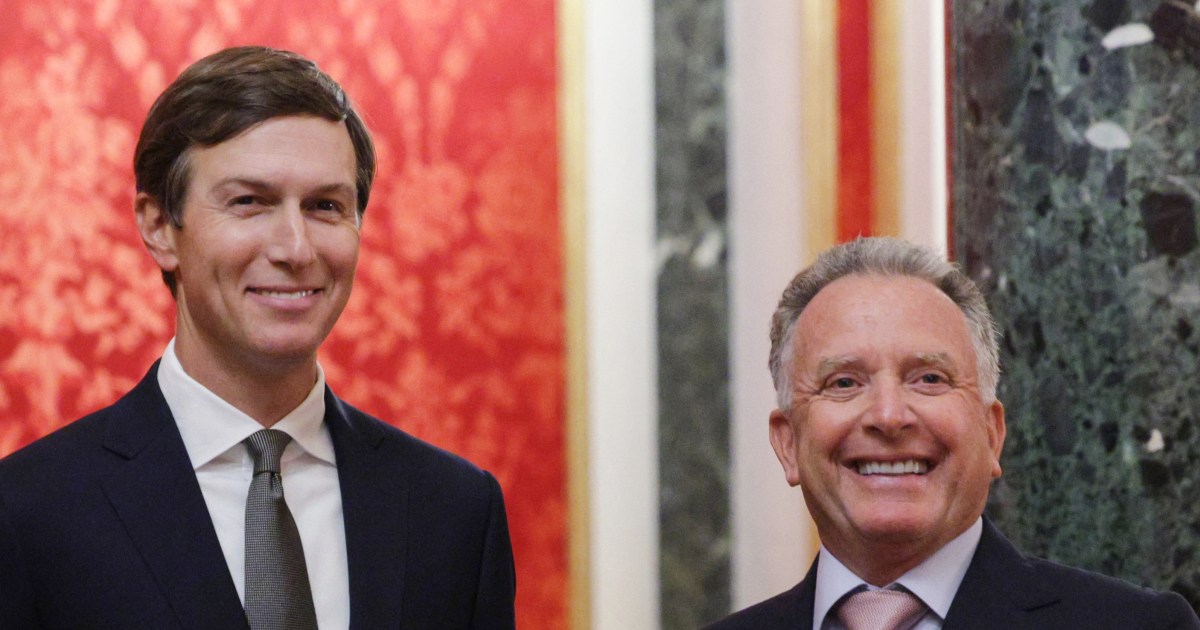
Steve Witkoff and Jared Kushner flew from Moscow to the Polish border on Sunday, then took a train into Kyiv—a cinematic route that underscored the urgency of their mission. After three hours of informal talks with Vladimir Putin, the US president’s envoys landed in Ukraine’s capital to face President Volodymyr Zelenskyy. The staging mattered. They wanted to show both sides that Washington is taking this personally, not through the State Department’s circuitous channels.
What happened next revealed the pressure-cooker atmosphere. Russia and Ukraine had agreed to hold off aerial attacks on each other’s capitals during the visits. That meant Kyiv and Moscow experienced a rare, breathless weekend without the usual drone swarms and missile barrages. But it was a ceasefire of convenience, not commitment. A Russian drone struck Ukraine’s Security Service headquarters in Kyiv just days earlier, and overnight strikes hit Kyiv and Boryspil international airport—a move Zelenskyy linked directly to US travel preparations. The tactical silence around the envoys’ movements was less a sign of goodwill than a calculated pause, the kind bidders observe before the final round of an auction.
The timing itself was revealing. The envoy trip came weeks after the US had diverted significant diplomatic attention toward the Iran conflict, leaving Ukraine’s leadership wondering whether Washington was treating Kyiv as an afterthought. By contrast, the visible intensity of this round—flights, trains, face-to-face meetings within hours—screamed urgency. Whether that urgency is genuine or performative remains the open question.
The Personal Touch Strategy
Witkoff’s tone with Putin was notably warm. In footage released by Russian state media, he told the Kremlin leader: “When we retire, we’ll have all these incredible stories and incredible memories, and yours will be right at the top of it all.” Putin responded in kind, calling the delegation a “comfortable experience” and saying Russia places “high level of trust” in them.
This isn’t traditional diplomacy. It’s relationship-driven persuasion, the kind Trump himself has built his career on. The aim seems clear: lower Russian guards enough to extract concessions, then bring those same pressures to Kyiv. There is an implicit calculus here—that personal rapport can bypass the institutional inertia that has defined Washington’s Ukraine policy for years. But personal rapport cuts both ways. If Putin senses the envoys are eager to deliver a deal, he may dig in rather than compromise. History suggests dictators reward desperation, not diplomacy.
Kushner’s presence adds another layer. As Trump’s son-in-law, he carries personal loyalty weight that career diplomats don’t. Together, they represent a bypass of institutional gatekeepers—a direct line to the president’s office that could accelerate or derail negotiations depending on how much leverage they wield inside the White House. European allies, long accustomed to being consulted before major US moves on Ukraine, were conspicuously absent from the itinerary. That absence sends its own message: the US is no longer coordinating a coalition approach. It is acting unilaterally, and it expects others to fall in line.
What Washington Is Demanding
A White House official stated that “substantive plans for the next steps” were discussed in Moscow and would be announced in coming weeks. The language suggests concrete proposals are being drafted, not vague principles. That phrasing alone—“substantive plans” rather than “framework discussions”—indicates the administration believes it has enough leverage to move from signaling to structuring.
From Kyiv’s side, Zelenskyy said Ukraine’s “proposals are ready” and emphasized his government’s constructive stance. But behind closed doors, the pressure is mounting. Ukraine faces a critical shortage of U.S.-made interceptor missiles needed to defend against Russian strikes on energy infrastructure. Winter is approaching. The calculus is blunt: negotiate now or face a darker, colder season with fewer resources.
The implicit American demand appears to be this: Ukraine must consider territorial compromises or frozen-conflict arrangements, while Russia must accept some form of security guarantees for its gains. The question is how much each side will concede before walking away. For Kyiv, any territorial concession risks being interpreted as capitulation—politically toxic for a leader who has staked his entire presidency on defending Ukrainian sovereignty. For Moscow, any withdrawal would require a justification Putin can sell to a public that has been told this war is existential.
Who Wins, Who Loses
If a deal emerges, Russia likely wins the most immediate territorial leverage—it holds ground it has fought for years to capture. Kyiv loses land it considers sovereign, though it may gain international security pledges and reconstruction aid. The United States positions itself as the dealmaker, boosting Trump’s domestic narrative of bringing wars to an end.
But the second-order effects are where the real consequences will be measured. European defense spending, already accelerating, will intensify further. Germany and France are likely to redouble investment in conventional deterrence, wary of a security architecture that could unravel if Washington changes its mind. NATO’s eastern flank may quietly begin preparing for scenarios in which US commitments are no longer reliable—a shift that could fracture the alliance’s political cohesion.
Within Ukraine, the political fallout could be severe regardless of the deal’s specifics. Zelenskyy’s approval ratings have been buoyed by resistance; a negotiated settlement involving territorial losses could fragment his coalition. Opposition figures will frame any compromise as betrayal. And within the Ukrainian military, morale could suffer if soldiers perceive their sacrifices are being discounted at the negotiating table.
For Putin, the calculus is different. Even a modest deal allows him to claim a strategic victory without the risk of further escalation. He can point to held territory, weakened Ukrainian defenses, and a divided West. The longer the war drags on, the more domestic pressure grows—not from opposition, which is suppressed, but from the economic and human costs that accumulate even in an authoritarian system.
The Trajectory Ahead
Pope Leo XIV publicly hoped the talks would “bear concrete fruit and open space for diplomacy.” That’s the hopeful reading. The cynical one: this is theater designed to exhaust Ukraine into accepting unfavorable terms while giving Putin a face-saving exit from a grinding war.
Trump told reporters in the Oval Office that Kushner and Witkoff were doing a “great job” and added, “There may be a good chance that we’ll do it.” The phrasing is telling—optimism without certainty. The process is underway, but no outcome is guaranteed. Trump has a pattern of inflating early-stage negotiations before the substance emerges, a tactic that raises expectations and then allows him to claim credit for whatever falls short of those expectations.
What’s clear is the pivot. After months of stalled momentum, partly diverted by the Iran conflict, the US is forcing the Ukraine issue back to the center stage. The envoys’ journey from Moscow to Kyiv symbolizes that shift: Washington is no longer waiting for Russia and Ukraine to find each other. It’s dragging them together.
Whether that leads to peace or a painful armistice remains the defining question of 2025. The envoys have lit a fuse. What happens next depends on whether both sides believe the alternative is worse—and whether Washington’s leverage is sufficient to make that belief stick.