The DOJ Is Weaponizing Antitrust Law Against the Press
The Justice Department's probe into whether TV networks broke antitrust law by boycotting Trump coverage sets a dangerous precedent that could criminalize press solidarity worldwide.
The DOJ Is Testing Whether Press Solidarity Is a Crime
The Justice Department’s investigation into whether five television networks violated antitrust law by collectively halting coverage of Donald Trump is not just a legal curiosity. It is an unprecedented attempt to criminalize coordinated journalistic action and could reshape how governments around the world treat media organizations that refuse to legitimize a leader they find objectionable.
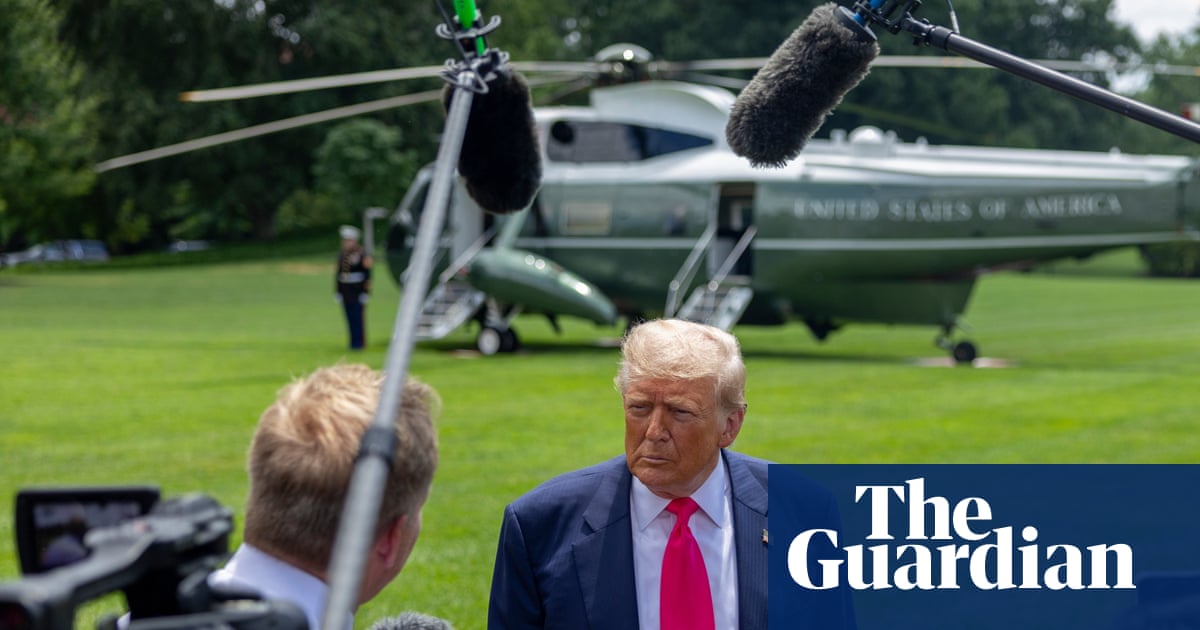
The White House television press pool — a rotating group of broadcasters that share the costs and logistics of covering the president — stopped assigning correspondents to cover Trump last month. The decision came after the administration barred reporters from CNN, MS Now, and Politico from entering the White House, revoking their credentials and declaring that covering the president was a privilege, not a right.
On September 19, the ban took effect. The three outlets sued. A judge issued a reprieve lifting the ban until at least Tuesday, and pool coverage has since resumed. But the damage from the Justice Department’s announcement on Saturday was immediate and far-reaching. An agency spokesperson confirmed that the Antitrust Division was investigating whether the news organizations’ boycott violated US law, noting that group boycotts among business competitors might run afoul of antitrust statutes.
Messages were sent to all five pool outlets — ABC, CBS, CNN, Fox, and NBC — seeking comment.
The legal theory underpinning this probe is thin and politically charged. Antitrust law exists to protect competition in markets, not to punish news organizations for refusing to cover a president whose administration has openly threatened them. The pool arrangement is not a commercial marketplace in any conventional sense. It is a logistical cooperative forged to ensure broad coverage of the presidency. When its members temporarily withdrew from that cooperative, they were not colluding to fix prices or allocate customers. They were exercising judgment about whether to legitimize an administration that had just silenced three news outlets.
Who Is Behind This Investigation?
The timing raises the obvious question: who authorized this probe? The Justice Department operates independently of the White House in theory, but the political context makes that distinction impossible to ignore. This investigation arrived days after the administration’s most aggressive move yet against the press — credentialing a political litmus test that treated access to the president as a reward for loyalty rather than a duty of the office.
The administration’s framing of press access as a privilege, not a right, was always a provocation. It inverted a foundational principle of American democracy. The First Amendment does not grant the government the power to decide which journalists deserve to cover the president based on whether their reporting aligns with his interests. Pool coverage has existed for decades precisely because the public has a right to know what their president does, regardless of which outlet earns the credential.
Jose Zamora, the Committee to Protect Journalists’ regional director of the Americas, called out the administration’s tactics directly. The government should not use antitrust investigations to intimidate news outlets defending press access, he said on X. The public’s right to know depends on that access.
Zamora’s point extends well beyond the United States. In Hungary, Turkey, Brazil, and India, governments have already weaponized legal frameworks against critical media. An antitrust investigation into a press boycott would give authoritarian-leaning leaders elsewhere a template: if the United States can punish newspapers and broadcasters for collective action, why not the rest of the world?
What Happens Next Depends on How the Investigation Proceeds
The Antitrust Division’s inquiry could go several directions, and each carries different consequences. If the division closes the probe without filing charges, it would signal that even within the current administration, there are legal professionals who recognize the dangers of this precedent. If the division pursues the case, it would open the door to civil penalties, injunctive relief, and potentially — though improbably — criminal referral. No journalist or broadcaster has ever been prosecuted under antitrust law for refusing to cover a head of state.
A court challenge is likely either way. The five pool networks have strong arguments that the boycott was protected speech under the First Amendment, not anti-competitive conduct. The Supreme Court has recognized that editorial decisions about what to publish and how to cover events are core expressive activities. Compelling an outlet to cover a president against its judgment, or punishing it for joining others who refuse, would cross a line that antitrust law was never designed to draw.
The reprieve for CNN, MS Now, and Politico runs until Tuesday. If that stays in place, the immediate crisis may fade. But the DOJ investigation does not expire when the pool resumes. It lingers as a threat — a reminder that press solidarity carries legal risk, and that the government now has a new tool in its arsenal for punishing media organizations.
The Global Ripple Effect
nEnglish-language media audiences often assume that American press freedom is uniquely fragile, but they underestimate how quickly it can erode when legal mechanisms are bent toward political ends. The pool boycott investigation is not an isolated incident. It is part of a pattern that began with credential revocations and has escalated into the courtroom.
nReporters without Borders, the International Federation of Journalists, and similar organizations worldwide will be watching closely. A ruling against the networks would embolden leaders from the Philippines to the United States to treat press access as negotiable. A ruling in favor of the networks would reinforce that collective journalistic action — even when it provokes a government — remains protected speech.
The Real Question Isn’t Legal. It’s Political.
The Justice Department has the authority to investigate this. That does not mean it should. The pool boycott was a defensive act by news organizations responding to an administration that had already taken the offensive. Antitrust law was created to prevent monopolies from crushing competition, not to crush press freedom by treating coordinated refusal to cover a president as a market violation.
Who wins here depends on how far the government takes this. If the probe ends quietly, the networks preserve their freedom and the precedent dies. If it proceeds, the entire structure of press-government relations in the United States faces a stress test it has never endured. And outside America, every government that has ever wanted to silence a critical outlet will see this as permission to try the same.
The press pool suspension was supposed to be a temporary dispute over credentials. Instead, it has become a referendum on whether news organizations can speak with one voice without the government treating that voice as a conspiracy.