HoYoverse's NODUS FALL Signals a Hardcore Pivot With Nothing Less at Stake
HoYoverse stunned gamescom with NODUS FALL, a photorealistic Soulslike that abandons the anime RPGs behind it. The move is far more consequential than a single game announcement — it reveals how a mobile-first giant is repositioning itself for the global AAA stage.
The announcement that reshapes the board
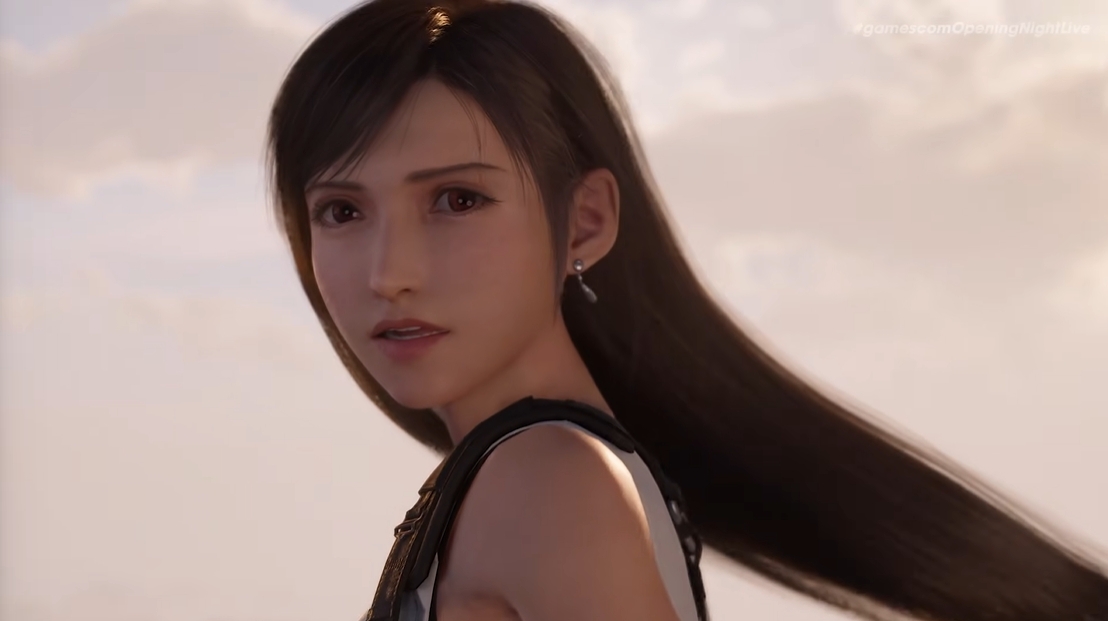
HoYoverse opened gamescom Opening Night Live 2026, a slot no one expected them to hold — and then immediately upended every assumption about what the company does. NODUS FALL is a photorealistic Soulslike action game, far removed from the stylized anime RPGs that built the studio’s empire. The reveal landed with the kind of shock reserved for studios that have never been serious contenders in this space. Footage shown during the keynote depicted a grim, rain-slicked world rendered in unprecedented fidelity: jagged gothic spires rising above flooded corridors, enemies that moved with the deliberate, punishing weight characteristic of the genre, and a combat system that appeared to emphasize spacing, timing, and resource management over elemental combos.
That HoYoverse is now competing for Soulsbornesque territory is not just a creative choice. It is a strategic signal about where the company intends to play next.
From gacha to triple-A
The conventional reading is simple: miHoYo, now operating as HoYoverse after its brand restructuring, is trying to shed its mobile-gacha image and win over Western hardcore audiences. That is accurate but incomplete.
The deeper story is about platform economics. Gacha revenue is still enormous — Genshin Impact and Honkai: Star Rail continue to generate nine-figure annual income — but the growth ceiling is visible. The real upside, and the real competitive vulnerability, lies in capturing prestige and cultural capital in the same market where Steam, PlayStation, and Xbox set the conversation. A Soulslike announcement at gamescom accomplishes something a second gacha title never could: it forces Western journalists, reviewers, and players to take HoYoverse seriously as a triple-A developer rather than a Chinese mobile publisher with pretty art.
The timing matters too. 2026 marks the third year since Genshin’s original shock-and-awe launch. That event was about proving a Chinese studio could ship live-service AAA-quality RPG at all. NODUS FALL is about proving the same studio can now innovate within the hardest genre in the medium. The progression from technical proof-of-concept to artistic ambition in that span speaks to a rapid internal maturation — or, alternatively, a company that has been quietly building this capability well before the announcement.
What NODUS FALL actually represents
Soulslike games are not easy to make well. The genre rewards deep combat systems, careful level architecture, and a tonal consistency that HoYoverse’s output has never been known for. Its portfolio is defined by elemental reaction mechanics, character collectibility, and seasonal content calendars. NODUS FALL requires the opposite discipline.
If the footage shown at gamescom was any indication, HoYoverse is attempting something genuinely ambitious: a shift from collectible-driven design toward skill-driven design. That means trading a proven monetization model for a riskier one. The alternative path — releasing another polished anime RPG with premium gacha mechanics — would have been safe. The NODUS FALL announcement chose the dangerous route.
This matters because the company’s leadership appears to understand a quiet truth: the gacha model is reaching saturation in its core markets. China and Japan are mature. Western adoption of the live-service gacha format has been enthusiastic but not universal. The only way forward at scale is to build games that stand on their own commercial merit without relying on character-collect loops.
There is also a subtler cultural shift at play. The global games industry has been quietly re-evaluating what constitutes legitimate game design for several years, and a Chinese company stepping into the Soulslike — a genre whose gatekeepers have historically been cautious about outside entrants — carries symbolic weight beyond any single title’s sales figures. If NODUS FALL succeeds, it opens the door for other non-Western studios to claim space in genres that have long functioned as cultural territory.
Who benefits, who doesn’t
The winners are obvious. HoYoverse gains legitimacy in Western gaming discourse. Games media that previously covered the studio’s financial results while dismissing its creative ambitions now have to engage with it on different terms. Hardcore action-game communities, long suspicious of corporate live-service encroachments, get a potential reason to pay attention even if they remain skeptical.
The losses are less immediately visible but structurally significant. Resources diverted to NODUS FALL may come at the expense of other internal projects. HoYoverse has always operated multiple studios simultaneously — the smaller “Little Planet” chill game also announced at gamescom suggests a deliberate portfolio strategy, but the balance of engineering talent between gacha systems and Soulslike mechanics is a real constraint. If NODUS FALL underperforms, the company could face a credibility crisis not just for one title but for its broader triple-A pivot.
There is also an opportunity cost for the existing fanbase. Genshin Impact and Honkai: Star Rail audiences tune in for regular content drops, new characters, and narrative chapters. A Soulslike does not offer that cadence. Fans comfortable with HoYoverse’s signature style may feel abandoned by the pivot. This is not a fringe concern — the gacha player base numbers in the tens of millions, and alienating even a fraction of that audience represents a real financial risk, particularly if the new direction fails to recapture that revenue through different means.
A second-order effect worth noting is the signal this sends to competitors. Other mobile-first publishers — Level Infinite, Kuro Game, even NetEase — now have a clear view of HoYoverse’s trajectory and can calibrate their own strategies accordingly. The NODUS FALL announcement essentially redraws the competitive map for any studio hoping to cross over from mobile to console.
The FFVII Revelation footnote
Square Enix’s own gamescom moment — a new trailer for Final Fantasy VII Revelation showing bosses like Ultima Weapon and Ruby Weapon — underscores the contrast. This is a Japanese studio leveraging nostalgia and established IP to sustain a franchise. HoYoverse is doing the opposite: building something entirely new in a genre dominated by FromSoftware’s shadow.
That juxtaposition reveals something important about the current state of the industry. Legacy Western and Japanese publishers are largely in maintenance mode, polishing existing franchises for diminishing returns. HoYoverse, despite being the younger company, is the one making the bold original statement. The inversion is striking and not lost on attendees at the show floor.
What happens next
NODUS FALL is still unconfirmed for release date and platforms beyond the broad implication that HoYoverse intends a full console and PC launch. The company also revealed a cozy simulation title called Little Planet arriving winter 2026, running a final beta test soon. That juxtaposition — brutal Soulslike and gentle life sim from the same publisher — suggests HoYoverse is hedging its bets rather than committing fully to one identity.
The more consequential question is whether NODUS FALL will succeed as a standalone purchase or whether HoYoverse’s DNA — extraction mechanics, meta-progression, live-service expectations — inevitably bleeds into the design. Soulslike players have zero tolerance for systems that undermine challenge. If HoYoverse can resist that temptation, the studio may have just launched the most credible triple-A game yet produced by a Chinese developer. If it cannot, the announcement will look like a well-targeted piece of marketing with empty substance behind it.
Whatever the outcome, the pivot itself is already changing the conversation around HoYoverse. The company spent years proving it could make money; now it is spending that credibility to prove it can make something that matters culturally. That is a far riskier proposition, and far more interesting one, than anyone predicted five years ago. The industry will be watching closely to see which version of HoYoverse emerges.