Hubbard Swap Is Trump Diplomacy Theater With Real Costs
Russia's release of American Stephen Hubbard came as Trump's envoy met Putin in St. Petersburg — a staged victory for Washington that masks a deeper strategy of pressuring Kyiv into negotiations while rewarding Moscow.
A Good Story for the Wrong Reasons
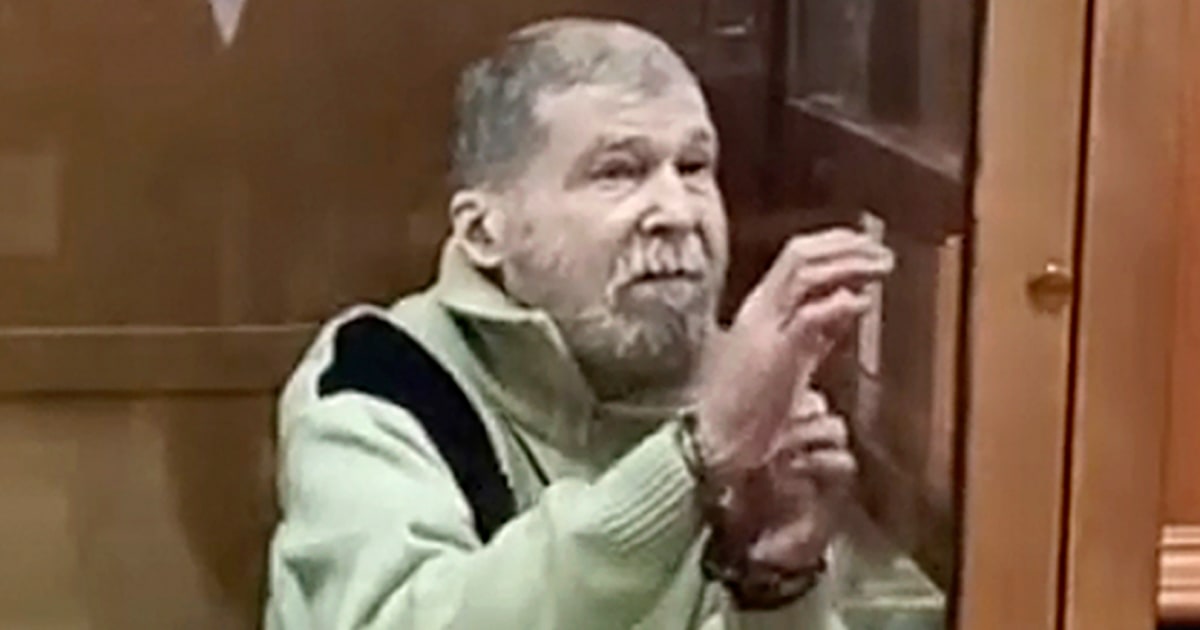
Russia released Stephen Hubbard, a 74-year-old retired Michigan schoolteacher, on Wednesday. The timing was not accidental. It came hours after U.S. envoy Steve Witkoff landed in St. Petersburg to meet Vladimir Putin, with Jared Kushner joining virtually. The optics were choreographed: Hubbard at the airport, Putin praised as a humanitarian by the American negotiator, and President Donald Trump positioning himself as a dealmaker who can deliver human beings home.
What this looks like on television is diplomacy. What it actually represents is something more calculating — a performance designed to create the appearance of progress while quietly increasing pressure on Kyiv to accept terms Moscow has little interest in revising.
The Personal Diplomacy Model
Trump has built his approach to foreign policy around direct, personality-driven exchanges with adversarial leaders. He frames negotiations as business transactions between strongmen, where personal rapport matters more than institutional strategy. Hubbard’s release fits that script perfectly. Trump announced Tuesday that he had personally appealed to Putin. Witkoff called Putin a humanitarian in remarks aired on Russian state media. This is the brand of diplomacy Trump sells: one handshake, one video call, one released prisoner at a time.
But personal diplomacy has a blind spot. It treats every interaction as potentially transformative without accounting for the asymmetry of leverage. Putin did not release Hubbard because Trump’s approach changed his mind about America. He released him because it costs Russia almost nothing to do so and gains significant value. It gives Trump a win he can exploit domestically. It signals to Witkoff that Moscow is willing to engage on its own timeline. And it reinforces the narrative that the United States is prioritizing de-escalation over Ukrainian sovereignty.
Who Actually Wins
Hubbard himself wins, of course. He was detained in Ukraine in 2022 and charged with fighting as a mercenary — charges he denies. The State Department had designated him the last American held as wrongfully detained by Russia. His release is unambiguously positive. No one in the audience should be expected to doubt the sincerity of gratitude for a man going home.
Trump wins politically. After months of criticism for tilting away from Kyiv and signing a diesel deal with Russia while waiving new sanctions, he needed a visible victory. Hubbard delivers one. It is the kind of moment that photographs well and sounds good on a campaign trail, regardless of what it costs strategically.
Putin wins the most. He gets a photo opportunity with American envoys on Russian soil. He demonstrates control over the pace and terms of any dialogue. He sends a clear message to Kyiv and Washington that Moscow will grant access on its schedule, not theirs. And he does all of this without conceding anything on the actual substance of the war — the Donbas, ceasefire terms, or territorial arrangements.
Ukraine wins nothing directly from this exchange. That is the point.
The Pressure Campaign Continues
Trump’s remarks in the Oval Office on Tuesday laid bare the strategy underlying these gestures. We want Zelenskyy to make a deal, Trump said. We’ve given a lot to Ukraine. We’ve gotten absolutely nothing back except grief, death, tremendous monetary loss. The language is blunt. It frames aid to Kyiv as a bad investment rather than a strategic commitment. It tells the Kremlin that American patience is finite.
Witkoff told Putin that groundwork had been laid for ending the fighting and brought documents outlining approaches to a possible deal. He also expressed hope that Russia would consider resuming trilateral talks between Putin, Zelenskyy, and Trump. Zelenskyy called the idea of a three-way meeting one of the important ideas raised during Oslo talks on Tuesday, which also included Norway’s Prime Minister Jonas Gahr Store and Finland’s President Alexander Stubb.
But the gap remains enormous. Putin has insisted any meeting with Zelenskyy can only happen after a deal is finalized and must take place in Moscow. That is a nonstarter for Ukraine, which will not negotiate with a leader who occupies its territory. The Kremlin has shown no sign of softening from its hardline demand to seize Ukraine’s entire eastern Donbas region.
The Signals Flying Over Kyiv
While American envoys met in St. Petersburg, Russian drones struck residential areas across Ukraine. At least nine civilians were killed on Wednesday as Moscow ramped up attacks on energy infrastructure ahead of winter. In Russia’s Bryansk region, one person died in a Ukrainian strike. The fighting continues with full intensity even as diplomacy unfolds in parallel.
Kyiv has also reported that it received no advanced warning about at least three major Russian attacks. Restrictions on Elon Musk’s Starshield satellite service continue to hamper Ukrainian aerial defenses and battlefield operations. Secretary of State Marco Rubio denied the White House was behind any slowdown to Ukraine’s internet service, calling it an issue for Musk and SpaceX. Musk himself said last week that any decision came down to Trump.
Zelenskyy told reporters after Oslo that recent issues on security cooperation had been resolved and praised restored early warning intelligence. But those incremental fixes do not change the structural reality: the United States is moving toward a negotiated settlement that privileges Russian demands over Ukrainian survival.
What Happens Next
Hubbard’s release will be celebrated in Washington as evidence that Trump’s personal diplomacy works. It is a real human outcome worth acknowledging. But the broader trajectory is clear. Each visible gesture toward Moscow comes paired with reduced material support for Ukraine. Each successful personal exchange reinforces the Kremlin’s strategy of waiting out American political will.
The next test will be whether trilateral talks actually materialize. That depends on Putin agreeing to meet Zelenskyy before any deal is signed — a condition the Russian president has repeatedly rejected. It also depends on whether Trump maintains enough domestic and allied pressure to prevent a settlement that cedes Ukrainian territory without resistance.
For now, the chessboard shows a move that looks generous but functions as leverage. Hubbard goes home. Trump gets a story. Putin gets a证明 of influence. And Ukraine watches from below, reminded again that its fate is being decided by people who are no longer fighting on its soil.