Iran Threatens Regional Air Paralysis to Counter Aviation Sanctions
Iran's security chief warned that blocking Iranian flights would paralyze neighboring airports, escalating a dispute over US sanctions that could disrupt Gulf air corridors and oil flows through the Strait of Hormuz.
The Real Target Is Not Just the U.S.
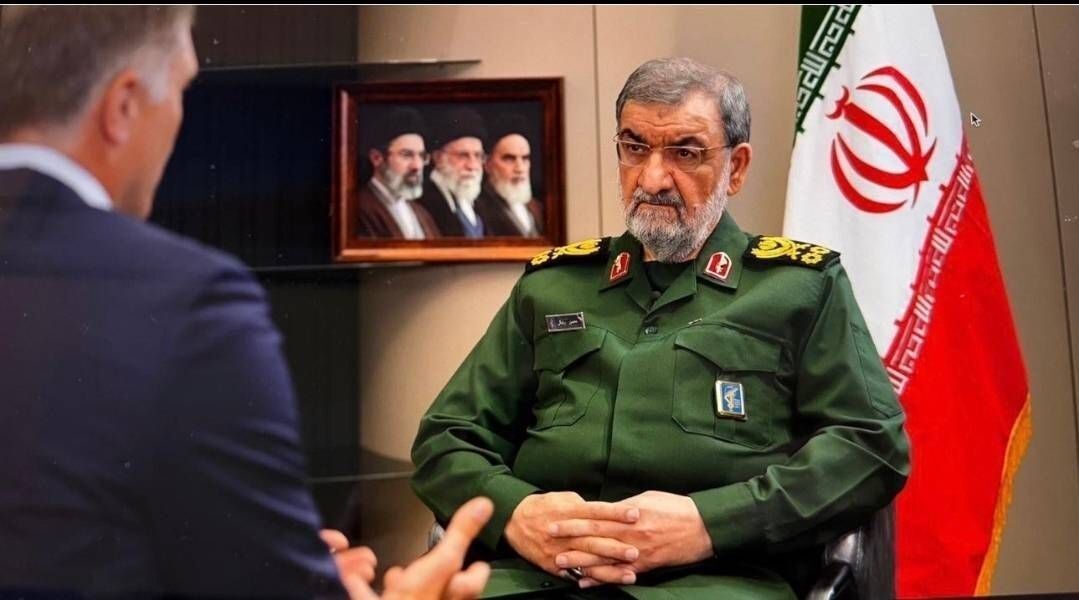
Iran’s latest warning carries a reach that goes well beyond Washington. Mohsen Rezaei, secretary of the Supreme National Security Council, did not merely threaten retaliation against American forces—he told countries along Iran’s borders that their airports would fall silent if they honored U.S. aviation sanctions. The message was unmistakable: the pressure campaign against Iran’s air sector does not touch only Iran. It threatens every airport that shares the Gulf’s congested skies.
The United States has begun enforcing secondary sanctions on third-country firms that provide fuel, landing services, ground handling, or ticket sales to Iranian airlines. The impact arrived within days. Flights from Iran to Baghdad and Muscat were fully cancelled starting September 23, according to state broadcaster IRIB, which carried Rezaei’s interview the following day. Neighboring carriers that had been operating through Iranian airspace now face a stark choice: comply with U.S. pressure and lose access to Iranian routes, or continue flying and risk being cut off from American financial systems.
Who Loses When Airports Go Dark
The countries Rezaei named are not passive bystanders. Iraq, Oman, the United Arab Emirates, and Kuwait all host major airports that route significant traffic through Iranian airspace to reach destinations across Asia and the Indian subcontinent. An Iranian counter-sanction that restricts flights to and from these hubs would not simply inconvenience airlines—it would reroute, delay, and cancel flights across a corridor that carries millions of passengers and substantial cargo volumes each year.
Gulf airports have spent the past decade expanding capacity to become global transit nodes. Dubai, Abu Dhabi, and Doha rely on efficient air corridors, not isolated terminals. If Iran enforces its threat, the disruption cascades outward. Insurance premiums on Gulf flights would spike. Airlines would reassess whether the economic calculus still favors operating through contested airspace. Freight schedules built around regional hub connections would unravel.
The 7 Conditions and What They Mean
Rezaei reiterated that Iran has laid out seven conditions for reopening the Strait of Hormuz—the chokepoint through which roughly a fifth of global seaborne oil passes. He dismissed prior diplomatic arrangements, including what he called the Islamabad agreement, as exhausted. “Dialogue and negotiation have been enough,” he said. “Now is the time for action.”
The seven conditions have not been individually itemized in publicly available reporting, but their existence as a unified list is itself a signal. Grouping demands together allows Iran to raise the cost of any American concession. Each condition becomes a bargaining chip, and none can be satisfied without the others. That structure favors escalation rather than de-escalation.
For global markets, the Strait of Hormuz remains the single most important maritime energy corridor in the world. A renewed closure would send spot oil prices higher almost immediately and would strain insurance markets that have already priced in regional risk. Tanker owners and commodity traders who have adjusted portfolios away from Middle Eastern exposure in recent years would face renewed uncertainty.
The Claims of Military Success
Rezaei also made extraordinary battlefield claims. Iran struck the U.S. aircraft carrier USS George Washington with an anti-ship missile, he said, and became the first country to shoot down an F-35 fighter and an AWACS aircraft. These assertions, if verified, would represent a significant shift in the military balance. If unverified, they function as domestic messaging: projecting strength to a population that has absorbed years of economic pressure and external isolation.
The claims are difficult to corroborate independently. No U.S. defense officials or allied monitoring sources have confirmed the strikes. But the fact that Rezaei is broadcasting them publicly matters. It signals that Iran is positioning itself as a regional military actor capable of challenging U.S. power projection, not merely a state relying on asymmetric deterrence.
Trump and the Diplomatic Dead End
Rezaei’s sharpest rhetoric was reserved for Donald Trump. The Iranian official called Trump’s recent U.N. General Assembly address “the excuse of a failing criminal” and argued that the president’s obsession with Iran proved Tehran had become America’s central strategic problem. He also cited declining U.S. approval ratings as evidence of policy failure.
Trump’s speech at the U.N. did place Iran at the center of his remarks on Middle East security. Whether that placement reflects Iranian leverage or American anxiety is a matter of interpretation. What is clear is that both sides have moved past the kind of diplomacy that produced preliminary deals in the past. Iran is refusing to return to the framework of previous negotiations. The U.S. is enforcing sanctions with greater intensity.
What Happens Next
The immediate risk is not a full-scale war. It is a managed escalation—restricted attacks on shipping, targeted closures of airspace segments, and intermittent disruptions to the Gulf’s aviation and maritime traffic. Each incident raises insurance costs, compresses tanker schedules, and increases the likelihood that a miscalculation triggers a wider response.
Countries bordering Iran will be the first to feel the pressure. Iraq and Oman have reason to resist U.S. sanctions that force them to choose between American financial systems and their own aviation revenue. Smaller Gulf states may attempt to mediate, but mediation requires a negotiating framework that currently does not exist.
Global energy markets will watch the Strait of Hormuz more closely than any other single point on the map. Rezaei’s seven conditions are not bargaining postures designed for quick compromise. They are thresholds that must be crossed before any opening occurs. Until they are met—or until external pressure forces a different calculation—the corridor remains uncertain.