Iranian hackers struck a UK power plant. This changes everything.
Hackers linked to Iran have carried out an unprecedented attack on a UK power plant, crossing a line in the shadow war over Western energy infrastructure. The breach raises urgent questions about NATO’s collective defense and the fragility of critical systems.
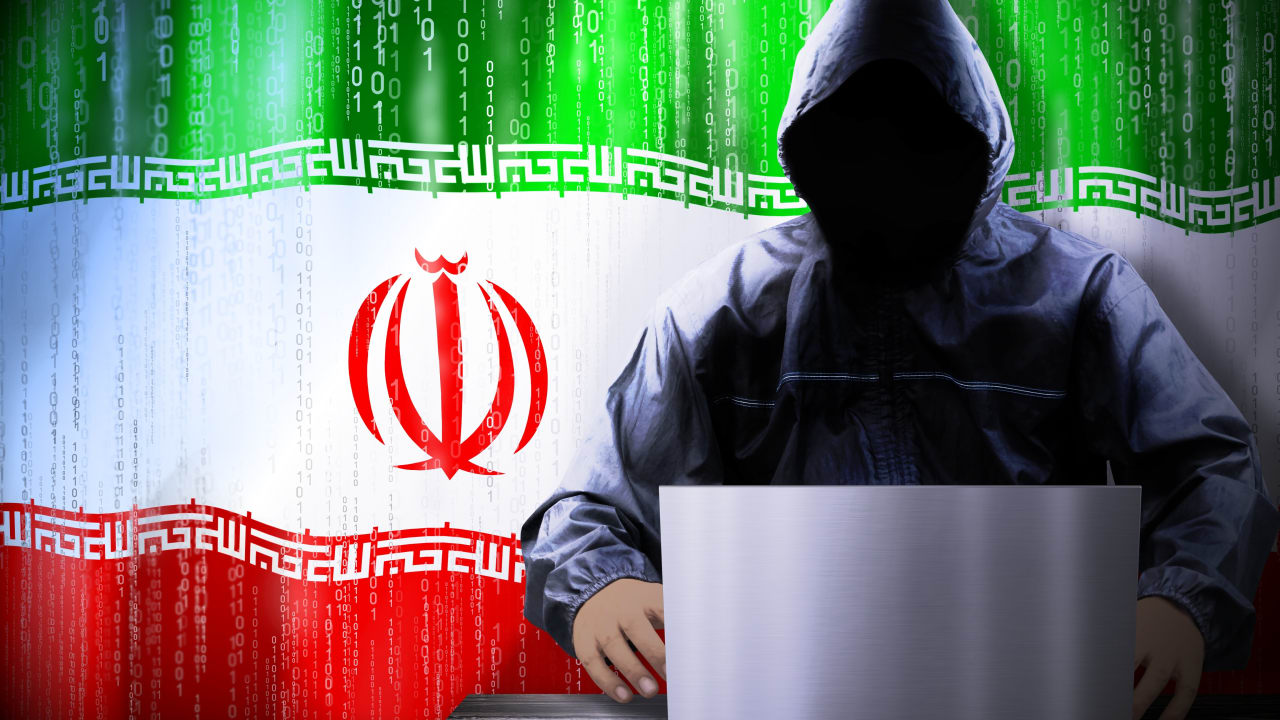
A line has been crossed.
For years, Western governments warned about the possibility of Iranian-backed hackers targeting critical infrastructure abroad. It was always treated as a worst-case scenario — a credible threat, but one停留在 the theoretical realm.
That changed this week.
According to reports, hackers linked to the Iranian regime carried out an unprecedented cyberattack on a UK power plant. The word “unprecedented” is not thrown around lightly in intelligence circles. When officials use it, they are signaling that the operation broke new ground — in scale, in sophistication, or in intent.
The implications ripple far beyond Britain. They reach every NATO ally. They reach every country that depends on energy grids stable enough to power hospitals, water treatment facilities, and homes in winter.
Who carries the weight of this attack?
Iran has long maintained a portfolio of proxy and affiliated cyber units. Groups such as the Persian Lucky Strike, MuddyWater, and others have been attributed to Iranian influence operations in the past. These are not independent hacktivists. They are instruments of state policy — deniable, plausible, and increasingly brazen.
What makes this incident different from previous Iranian cyber operations is not the sophistication. Iran has demonstrated that before. The difference is the target. Power plants belong to the category of critical infrastructure that sits at the heart of national survival. Hacking a government website is one thing. Disrupting the grid that keeps a city alive is something else entirely.
The shift from espionage and disruption to potential physical consequences marks a qualitative escalation. This is not a warning shot. This is a demonstration of capability and, possibly, of willingness.
Who loses when the lights flicker?
The immediate victims are ordinary citizens. A power plant attack is not an abstract exercise in cybersecurity. It is a threat to heating systems, medical equipment, traffic signals, and emergency services. In the UK, where winters are harsh and the grid is already under strain from aging infrastructure and the transition to renewable energy, the consequences of even a partial outage could be severe.
The secondary victims are trust. Every successful attack on critical infrastructure erodes public confidence in government ability to protect essential services. That erosion creates political pressure — sometimes wisely, sometimes desperately — for governments to respond.
And responses matter. A heavy-handed retaliation could escalate further. A measured response risks appearing weak. Both paths carry danger.
Why this concerns every NATO ally
Article 5 of the NATO treaty commits member states to collective defense against armed attack. The question that now demands an answer is whether a cyberattack on a power plant constitutes an armed attack under that framework.
NATO has already stated that cyber operations can trigger Article 5 under the right circumstances. But the threshold remains模糊 — deliberately so, to preserve flexibility. This attack forces the alliance to confront that ambiguity head-on.
If the UK responds unilaterally, it sets a precedent that other allies may follow or reject. If NATO responds collectively, it establishes a binding interpretation of what counts as an act of war in cyberspace — an interpretation that will shape conflict for decades.
Neither outcome is simple.
The broader war over energy grids
This attack does not exist in isolation. Iran is not the only state actor eyeing Western energy infrastructure. Russia has a well-documented history of cyber operations against European power systems, including the infamous 2015 attack that left hundreds of thousands of Ukrainians in darkness. China has been linked to sustained intrusion campaigns against critical systems across the developed world.
The convergence of these threats means that energy grid security can no longer be treated as a domestic concern. It is a coalition problem. It requires shared threat intelligence, coordinated incident response, and a willingness among allies to treat a cyberattack on one member’s infrastructure as a shared emergency.
What happens next?
The immediate next steps will involve forensic investigation. Determining exactly how the hackers gained access, what they accessed, and what they intended — whether the attack was aborted, failed, or succeeded in ways not yet disclosed — will take time. Governments will likely hold back details for operational reasons. That caution is understandable but costly.
In the medium term, expect a reckoning within UK energy regulation. The question will be asked: why were power plants still running on systems vulnerable to this kind of intrusion? The answer will not be comfortable for anyone.
And in the longer term, this incident will reshape how democracies think about the boundary between cyber espionage and cyber warfare. The old model — deterrence through the threat of retaliation — assumed that adversaries would calculate costs carefully. An attack on a power plant suggests that the calculation has changed. The adversary may no longer see critical infrastructure as off-limits.
If that is true, the onus shifts to defenders. The burden of prevention falls on governments that have, until now, treated cybersecurity as a technical problem rather than a strategic one. That diagnosis will no longer suffice.
The bottom line
A UK power plant was targeted by Iranian-linked hackers. The word unprecedented is doing heavy lifting in the reports, and it should be taken seriously. This is not a drill. It is a signal that the shadow war over Western infrastructure has entered a new phase — one where the stakes are no longer just data, but light, heat, and the basic functioning of society.
How democracies respond will define the next chapter of that conflict.