Kim's China Visit Is About More Than Factory Tours
North Korea's surprise one-day trip to Dandong carries signals far beyond a routine diplomatic visit — it reshapes the Sino-DPRK axis and tests Seoul's response to an escalating DMZ mine crisis.
The Visit No One in Washington Is Talking About Yet
North Korea’s leader did not fly to Beijing. He went to Dandong.
The choice of city was not accidental. Dandong sits directly across the Yalu River from China’s Liaoning province — close enough for a bus ride, far enough from the political capital to signal intimacy over formality. Kim Jong-un’s one-day visit on Oct. 24, 2026, was a calculated exercise in proximity diplomacy. He spent it at a bus and vehicle manufacturing plant, a stop that carries heavier meaning than the South Korean press has let on.
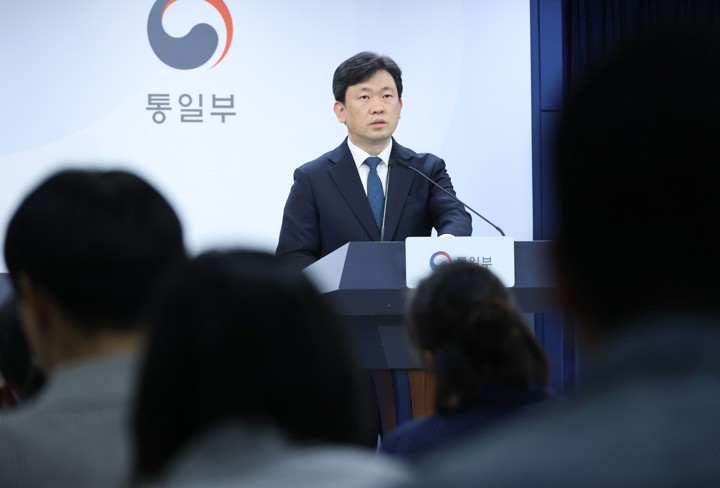
Seoul’s Unification Ministry called the visit constructive. Its spokesperson, Yun Min-ho, told a regular briefing on Oct. 26 that Pyongyang’s “timing, format, and content” were being analyzed, and that the government would “watch the situation closely.” That language — measured, observant, deliberately noncommittal — is itself a signal. South Korea is not yet sure whether this visit opens a door or distracts from one.
The Mine That Changed Everything
To understand why Kim went to Dandong when he did, you have to start with the mines.
Days before the visit, landmines exploded along the Demilitarized Zone, injuring several South Korean soldiers. Pyongyang immediately accused Seoul of staging the incident — a claim the South rejected outright. North Korea then sent a formal letter to the UN Security Council president advancing the narrative. Seoul responded in kind, sending its own letter denying responsibility and calling for an investigation.
This exchange is not theater. It is the opening move of a coercive escalation cycle that has been building since Pyongyang’s 2024 decision to redefine the DMZ as a “hostile territorial zone.” The mine explosions represent the first kinetic test of that policy. Whether they were genuinely North Korean operations or a false flag, as Pyongyang claims, matters less than what comes next.
Yun Min-ho confirmed on Oct. 26 that relevant South Korean ministries are still deliberating on further measures. “We will decide in line with the outcome of consultations,” he said. The word “consultations” is doing heavy lifting here — it means the chain of command is active, decisions are pending, and the clock is ticking.
Why the Bus Factory Matters
North Korean state media has not explained why Kim visited a vehicle manufacturing facility. That silence is information.
The bus factory visit has drawn speculation that Pyongyang may be seeking to circumvent UN Security Council sanctions on transportation equipment exports to North Korea — sanctions that explicitly target vehicles that could serve military logistics. Chinese automakers have been quietly exploring DPRK market entry for years. A high-level visit to a production facility is exactly how those discussions advance: privately, without press conferences or joint statements.
If this interpretation holds, the visit represents a concrete economic signal, not a symbolic one. It tells Washington that North Korea is finding ways to work around the very sanctions the US has spent a decade strengthening. And it tells Beijing that its leverage over Pyongyang is not declining — it is simply changing form.
The Summit Question
Western analysts are already divided on whether Kim’s trip was coordinated with North Korea’s stated desire for a summit with the United States. Some see a pre-summit calibration — testing Chinese patience, measuring how much room Pyongyang has to maneuver. Others view it as a parallel track: securing Chinese backing before any engagement with Washington.
The Unification Ministry declined to pick a side. “We will play our role while closely monitoring the situation,” Yun said. That role is undefined — which is the point. Seoul wants to remain flexible while avoiding the appearance of either provoking Pyongyang or conceding ground.
What is clear is that the timing places the visit squarely in the window between the DMZ incident and any potential US-DPRK negotiations. Whoever controls the narrative in those weeks controls the agenda. Kim is ensuring China has a seat at that table before Washington does.
The Cyber Sanctions Standoff
There is another dimension to this that deserves attention. South Korea’s Foreign Ministry has proposed independent cyber sanctions against North Korea — measures that would target DPRK cyber units responsible for financial theft and election interference. Pyongyang has firmly rejected the proposal.
Yun Min-ho confirmed Oct. 26 that South Korea’s position has not changed. “We will continue consultations based on that stance.” The word “consultations” appears again — this time referring not to emergency response but to policy alignment within the South Korean government. The question is whether Tokyo and Washington will follow Seoul’s lead, or whether the cyber sanctions framework will stall on diplomatic friction.
What Happens Next
Three things are likely. First, China will issue statements praising the visit’s “fruitful” nature without specifying details — standard practice that still carries weight in Asian diplomatic culture. Second, North Korea will use the visit to justify further military posturing along the DMZ, framing it as evidence of legitimate security concerns being ignored by Seoul. Third, the United States will recalibrate its assumption that Pyongyang’s openings are exclusively directed at Washington.
The DMZ mine crisis is not a contained incident. It is a stress test for the entire post-armistice order. Kim’s visit to Dandong is the first move on a board that Seoul, Beijing, and Washington are still learning to read.
The Unification Ministry’s caution is understandable. But caution in the face of active escalation can look like paralysis. The relevant ministries are consulting. The question is what they will consult about when the next mine goes off.