Konami Remakes Yu-Gi-Oh TAG FORCE for Switch 2 Launch Window
Konami announces a full remake of its 2008 PSP title at Nintendo Direct, targeting Switch 2's launch window with global multi-language support and online play — a surprising pivot for the Japanese publisher known primarily for sports and fighting games.
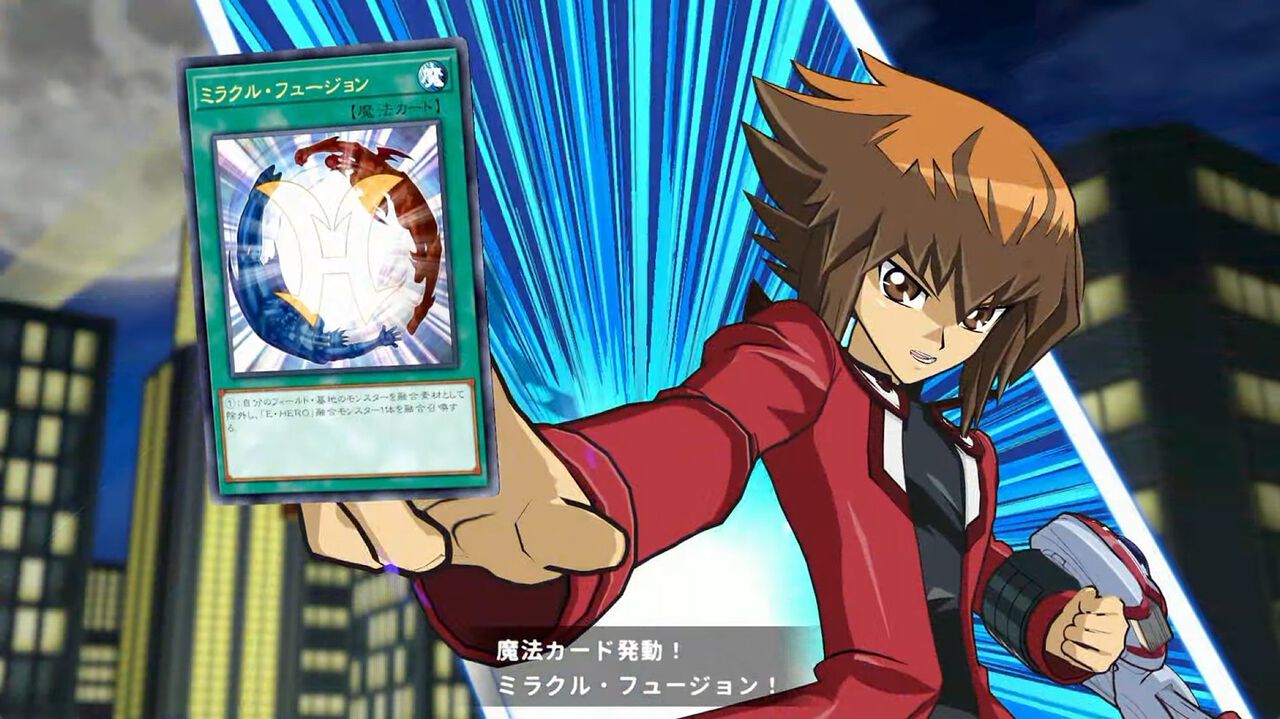
A Konami Move You Didn’t See Coming
At the September 9 Nintendo Direct presentation, Konami didn’t showcase a new entry in Pro Evolution Soccer or Castlevania. Instead, they pulled out a full remake of Yu-Gi-Oh! Duel Monsters GX: Tag Force 3 — a 2008 PSP title — now rebranded simply as Yu-Gi-Oh TAG FORCE GX, landing February 16, 2027, across Switch 2, Switch, and Steam.
The move lands like a soft punch. Konami’s reputation in the West has long been built on sports simulations and the Metal Gear legacy it quietly abandoned. This is not the face of a company riding the momentum of a flagship franchise. It is, however, the face of a company trying to prove it still understands why millions of people played card games in the mid-2000s.
What the Remake Actually Is
The source material is niche even by Japanese retro standards. Tag Force 3 dropped on PSP in late 2008, roughly two years after Tag Force 2, riding the tail end of Yu-Gi-Oh! GX anime fandom. It featured over 100 duelists you could befriend through a school-life simulation layer, then battle with them as tag partners. The card pool was curated for the game’s specific ruleset, not the living OCG — a detail the press release carefully notes, since some card texts and illustrations differ from the current format.
This remake keeps that DNA intact but expands it. The new listing confirms approximately 3,900 cards total, including roughly 200 added beyond the original roster. All duels are fully voiced. Online multiplayer is supported for both casual free matches and structured room play. The gallery mode preserves the story footage from the original Tag Force and Tag Force 2, which means Konami is treating those entries as canonical lore worth archiving rather than discarding.
The price sits at ¥4,950. On Switch 2, that places it in a competitive band — below the $70 AAA standard, above the indie bargain bin.
Why Nintendo Direct Matters Here
Konami secured a slot during a major Nintendo Direct broadcast. That is not a backroom promotional deal. Nintendo typically invites partners who have something to offer the platform — either in audience reach or content diversity. For a company whose recent Western-facing releases have skulked in sports and horror, this is a statement of intent: Konami wants a seat at the table alongside bigger third-party partners.
The timing amplifies the strategy. February 2027 falls squarely within what is shaping up to be Switch 2’s critical early window. A Yu-Gi-Oh title with a built-in fanbase, multiplayer functionality, and a retro hook gives casual and nostalgic players something to grab before the spring lineup fills up. For Switch 2 adopters who want immediate variety — and for those who haven’t fully committed yet, watching from the fence — this is a tangible reason to engage.
The Card Game Paradox
Here’s the structural tension the remake navigates without acknowledging it. The Yu-Gi-Oh franchise survives on a collectible card game that constantly shifts its legal metagame. New sets drop. Banned lists change. The OCG and TCG evolve in real time. A game locking you into a curated 3,900-card list with its own ruleset is simultaneously comforting and limiting for competitive players.
Konami appears to have judged that comfort wins. The casual story mode, the partner-building loop, the mini-games — these pull toward accessibility. The online multiplayer offers a competitive escape hatch, but it’s framed around the game’s own ecosystem, not the living OCG. That boundary keeps the project manageable and avoids the licensing and balance nightmares that would come from trying to mirror a constantly shifting real-world tournament scene.
For fans who grew up watching GX and played Tag Force 3 on PSP, this is nostalgia packaged as gameplay. For newcomers, it’s an entry point into a world where the card mechanics are simplified and the character interactions carry more weight.
What This Signals About Konami
Konami hasn’t exactly been hiding its struggle to find a consistent Western identity since the Metal Gear Solid V controversy and the subsequent internal reshuffling. The company’s recent portfolio reads like a series of defensive moves rather than offensive bets. An anime-adjacent card game remake is neither flashy nor obviously profitable on the scale of PES licenses or Castlevania returns. But it does signal something: Konami is willing to mine its deeper catalog of Japanese IP, not just the franchises it inherited from acquisitions.
The Yu-Gi-Oh brand belongs to Konami. It has generated billions across cards, anime, and games for over two decades. No other Western-facing Japanese publisher holds a comparable license of this breadth. Revisiting it now, with modern production values and online infrastructure, is a low-risk, moderate-reward play — exactly the kind of strategic patience a company in transition might prioritize.
The Real Question
Will people play it? The fanbase exists. The nostalgia factor is real. The Switch 2 install base, while still growing, will provide a portable-friendly platform ideally suited for a card game that was originally a handheld experience. The online multiplayer adds longevity beyond the single-player campaign.
But the harder question is whether Konami can sustain this as a ongoing platform for the Yu-Gi-Oh IP in the West. A single remake is a moment. A series would be a strategy. Given Konami’s recent history, this feels more like the former than the latter — a respectful revisit of a forgotten title, not the launchpad for a renewed commitment to Yu-Gi-Oh as a core Western-facing pillar.
That doesn’t make the announcement less noteworthy. It makes it a quiet, competent move from a company that knows when to pull back and let the IP rest — and when to dust it off and show the world it still has something to offer.
February 2027 will tell us which one this is.