Korea Is Buying Its Way Into America's Energy Future
A $54 billion South Korean investment in Alaska LNG is more than a pipeline deal — it is a fundamental shift in how Asia secures energy and how America sells it. The real story is in what remains unresolved back home.
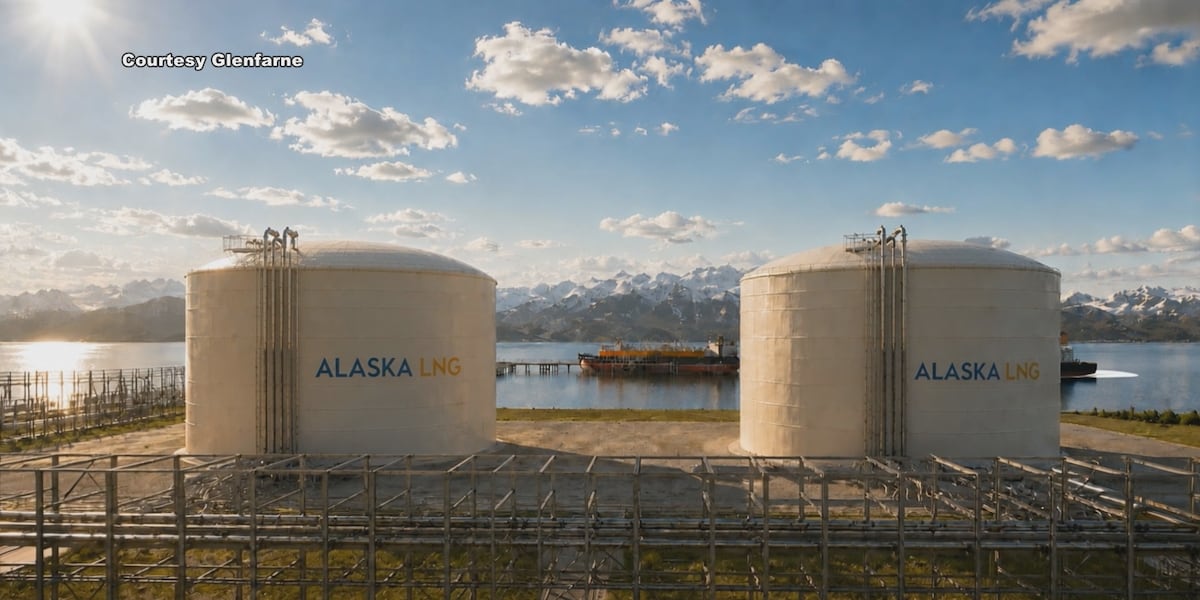
The deal is real. The project is not.
President Donald Trump stood behind his desk in late September and announced that South Korea would inject $54 billion into the long-dormant Alaska LNG pipeline project. The money, he said, would build the entire gas line — and it arrived as part of a much larger $200 billion US-Korea Trade and Investment Initiative first unveiled in November.
It was a moment built for campaign stages, not boardrooms. Trump called incumbent Senator Dan Sullivan “totally responsible” for the pipeline, standing close enough to touch him. The cabinet members in the room joked they would hear less from Sullivan now that he would be busy overseeing the project instead of pestering them.
The announcement came with numbers that sounded final. Three years to operations, five to exports, according to Glenfarne CEO Brendal Duval, who was at the press conference. That timeline depends on construction beginning by December, a date Duval set back in January. The math checks out only if everything goes right.
But in Alaska, nothing goes right without a fight first, and the fight over Alaska LNG has not ended. It has simply moved to a new phase.
Korea is hedging its energy future
The $54 billion figure deserves closer inspection. It is large enough to be headline-making but small enough to suggest it covers only part of the total capital needed. The project will still require federal permits, shipping infrastructure, and most critically, a tax regime in Alaska that makes the economics work for the developer.
Korea’s participation is the strategic piece. Tokyo and Seoul are the two largest LNG importers in East Asia, and both have watched American export capacity explode over the past five years. The United States overtook Qatar as the world’s top LNG exporter in 2024. Korea’s investment in Alaska LNG is a bet that American gas will remain abundant, affordable, and politically reliable through at least two decades of supply contracts.
That bet carries risk. The pipeline itself stretches 800 miles from the North Slope to the Kenai Peninsula, through permafrost and seismic zones, at an estimated total cost that could exceed $100 billion. No single buyer funds that alone. The Korean commitment signals political alignment, not full financing.
For the United States, the deal is equally strategic. It ties a middle-income Asian economy more closely to American energy infrastructure and locks in demand before competing projects in Canada or Africa capture that same market.
The obstacle is back home
Here is what the White House did not mention at the press conference: Alaska’s legislature cannot agree on property tax exemptions that Glenfarne says are essential for the project to be economic.
Governor Mike Dunleavy called multiple special sessions to force a deal. The result was a bill that passed the Senate 11-8 but died in the House by a single vote, with Republican Majority Leader Chuck Kopp defecting from his caucus. The exemption package also included a corporate income tax on S-Corporation oil and gas companies that Dunleavy called a poison pill. He vetoed the bill anyway.
Rep. Calvin Schrage, who chaired the final compromise effort, told reporters in July that the governor had lost the goodwill necessary to negotiate. “There’s very little appetite to deal with this this year,” Schrage said. “This will have to be something to come back and deal with in January.”
Dunleavy blamed politics. Democratic Senator Bill Wielechowski blamed the same thing, accusing the governor of trading a pension reform bill for the gas line and then walking away when lawmakers refused.
Neither side mentioned the White House announcement Wednesday. The tax impasse remained exactly where it was before Trump spoke.
Sullivan has a race to win
The political timing was deliberate. Alaska’s Senate race between Sullivan and former Democratic Congresswoman Mary Peltola had been tracked as a toss-up by national pollsters. Trump’s intervention was a clear attempt to shift the balance. He did not mention Peltola by name at the podium but called her a “radical left lunatic” in a video endorsement. He promised to campaign for Sullivan in Alaska within 30 days of the election.
Peltola pushed back immediately, saying she also played a role in advancing the gas line during her time in the state legislature and Congress. She called the announcement “great news for Alaska” and framed herself as a bipartisan partner.
Trump’s rally extended beyond Alaska’s politics. He accused Democrats of fielding a candidate in Petersburg with the same name as Sullivan on purpose, calling it “crooked as hell.” The claim rested on the involvement of Amber Lee, a Democratic strategist who sits on the board of the 907 Initiative, a group that has opposed Sullivan. The 907 Initiative denied coordinating with the Petersburg campaign.
None of this changes the energy equation. It does change the election, at least in the short term. A White House announcement of this scale shifts media coverage, donor energy, and voter attention. Whether it moves votes in a race this close remains an open question.
What happens next
The pipeline cannot move without tax resolution. Glenfarne has made that clear. The company needs property tax exemptions to make the project economically viable, and without those exemptions, no amount of Korean money closes the gap.
The next legislative session begins in January. Dunleavy’s relationship with the legislature is broken after eight years of veto battles and special sessions. Lawmakers have said they will not return to the negotiating table under the same conditions.
That means the timeline duval announced — three years to operations, five to exports — is almost certainly optimistic. Even if a tax deal emerges in January, permitting and environmental review could add another one to two years. The earliest realistic export date is now 2030 or later.
For Korea, that delay is manageable. Long-term LNG contracts are typically 20 years. The value of securing early position in a growing American export market outweighs a two-year slip in delivery start. For Sullivan, the delay is irrelevant to the November election. The announcement is a campaign asset whether the pipeline breaks ground next year or in 2028.
The real test comes in January, when Alaska’s politicians must decide whether to revive a framework that just failed twice or start over from scratch. If they choose the latter, the $54 billion commitment could stall for years while Korean investors look for other outlets. If they choose the former, they inherit a project that may already be priced out of the market by competitors in Canada and the Middle East.
Trump’s press conference made the deal sound inevitable. The work ahead is far less certain.