Korea's 78-Year Prosecutorial Overhaul: Why It Changes Everything
South Korea has completed its most dramatic judicial restructuring in nearly eight decades—separating investigation from prosecution, abolishing 42 investigative units, and introducing pre-indictment suspect interviews. The implications extend far beyond Seoul into the US alliance, East Asian accountability norms, and domestic politics.
The Institution That Ran Everything Just Disappeared
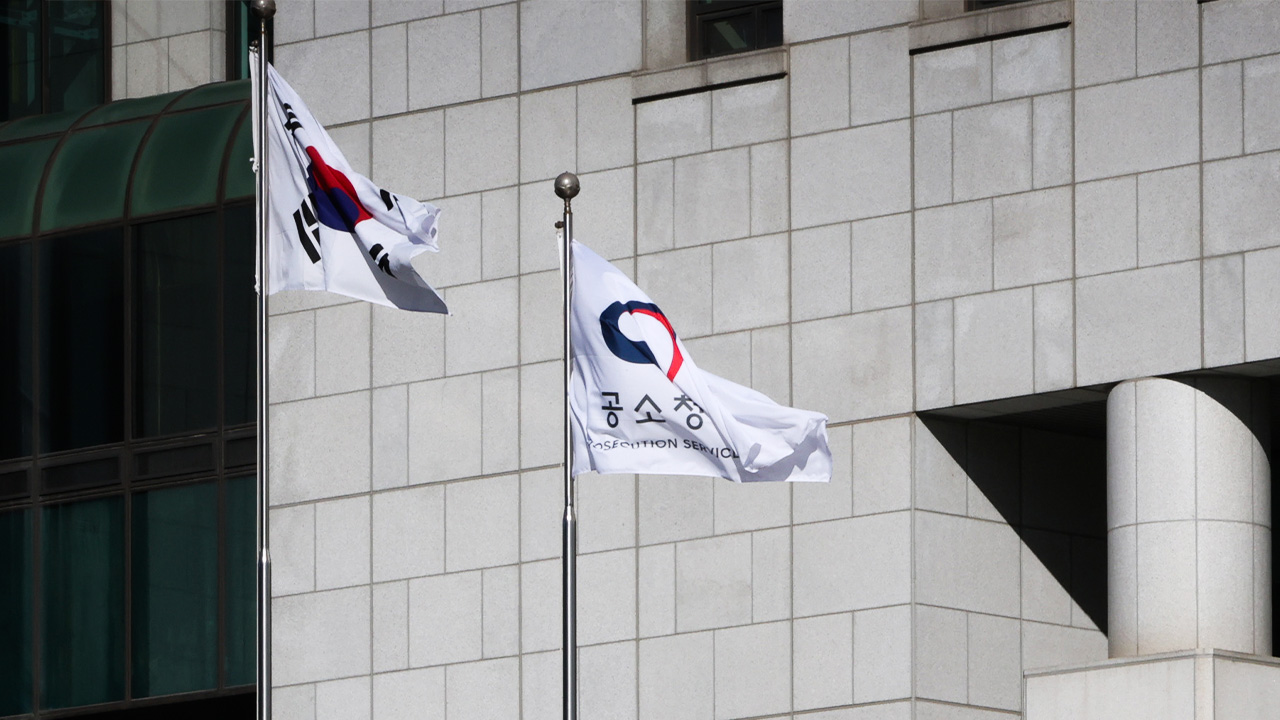
On October 2, 2026, South Korea completed a structural transformation of its criminal justice system that has no parallel in nearly eighty years of independent governance. The old prosecutorial apparatus—long the most feared institution in the country, simultaneously investigator, prosecutor, and judge-in-waiting—has been surgically separated into two distinct bodies. The new entity, called the 공소청 (Procurator General Office), has issued its first press statement promising to serve as a “citizen-centered criminal justice service organization.”
What that phrasing obscures is the magnitude of what just happened. For decades, Korean prosecutors held monopolistic power over investigations, indictments, and trial strategy. They could investigate anyone—from organized crime bosses to sitting presidents—without meaningful external oversight. The result was an institution that functioned as both hunter and adjudicator, a configuration that produced both extraordinary anti-corruption victories and equally extraordinary abuses of political leverage.
Who Wins When Power Is Split
The immediate winners are victims and the accused. Under the new system, prosecutors no longer conduct direct investigations. Instead, they focus exclusively on prosecution, litigation support, victim protection, crime asset recovery, and public interest representation. The 42 investigative units that operated across the country’s provincial prosecutor offices have been abolished. Their functions have been transferred to 29 major crime prosecution departments—meaning prosecutors now specialize in building cases rather than gathering evidence.
This may sound like bureaucratic housekeeping to outside observers. But in a system where the same officials who gathered evidence also decided whether to indict and how to present that evidence at trial, the separation is genuinely revolutionary. Cases will now be evaluated by people who did not personally collect the evidence—a check that exists in every mature democracy and was conspicuously absent in Korea.
The victims’ advocates win too. The new organization explicitly lists victim protection as a core function, something the old structure treated as secondary to the pursuit of convictions. Crime asset recovery and public interest representation—functions that were either ignored or handled ad hoc—now have dedicated departments.
The Pre-Indictment Interview That Changes the Rules
Perhaps the most consequential operational change is the introduction of mandatory pre-indictment interviews between prosecutors and suspects. Under the new procedural standards, prosecutors can no longer rely solely on case files when deciding whether to indict or request arrest warrants. They must meet face-to-face with the accused, confirm the facts directly, and then make their charging decisions.
This is a small procedural change with enormous implications. In a system where indictments were frequently based on evidence gathered by investigators who had no incentive to consider exculpatory information, the requirement that prosecutors personally verify facts before charging changes the calculus entirely. Suspects gain a voice. Prosecutors lose the ability to indict on paper alone.
The system also introduces enhanced review of non-prosecution decisions. A dedicated department will now handle challenges to cases where investigators failed to properly investigate or where non-prosecution rulings were issued without adequate justification. This is a check on the old practice of closing cases without meaningful scrutiny.
The December Deadline That Nobody Is Discussing
Here is what the official statements are not mentioning: the new system comes with a 90-day transition period for ongoing cases. During that window, prosecutors must handle existing investigations to the extent possible and transfer jurisdiction to the appropriate investigative bodies—police for some crimes, the Major Crime Investigation Agency for others.
Critically, the system must address cases coming up against statutes of limitation in December. Specifically, the December 3rd expiration of the statute of limitations for election law violations from the ninth National Simultaneous Local Election is now under the jurisdiction of the new body. The office has promised rapid processing through cooperation with relevant agencies.
This timing matters. In Korean politics, election law violations carry enormous significance—not just for the individuals involved but for the legitimacy of democratic institutions. The fact that the new prosecutorial body inherits these cases on the eve of their expiration creates both urgency and opportunity. How aggressively these cases are pursued will signal the new institution’s commitment to impartiality—or its willingness to serve political masters.
The US Alliance Calculus
English-language observers rarely connect Korea’s prosecutorial reform to broader geopolitical questions. But the alliance with the United States depends significantly on Korea’s internal governance norms. A judicial system that concentrates unchecked power in a single institution creates vulnerabilities that adversaries exploit. Corruption scandals involving senior officials have historically strained US-Korea cooperation, creating diplomatic friction and undermining the credibility of Korea’s rule-of-law commitments.
The separation of investigative and prosecutorial functions reduces those vulnerabilities. It makes corruption harder to conceal, accountability more systematic, and the legal system more transparent—all qualities that strengthen alliance partnerships. The US military presence in Korea, the trilateral security architecture with Japan, and broader Indo-Pacific strategy all benefit from a Korean partner with robust institutional checks.
But the immediate test is domestic. The new system’s first high-profile cases will determine whether the restructuring produces genuine accountability or simply relocates the same power dynamics under different organizational charts.
What Happens Next
The new Procurator General Office must now prove itself. Its first statement promised dedication to serving citizens. Its first substantive test comes in December, when election law cases expire and the 90-day transition period ends.
The institutional transformation is real—42 abolished units, 1,222 revised regulations, 29 specialized departments replacing generalist investigators. But the culture of an institution that operated for decades as both hunter and judge does not change overnight. The question is whether the structural reforms produce behavioral change—or whether the same actors simply adapt to new organizational constraints.
For Korea’s democracy, the stakes could not be higher. The old prosecutorial system was simultaneously the country’s greatest anti-corruption tool and its most dangerous concentration of unchecked power. The new system aims to preserve the former while eliminating the latter. Whether it succeeds will define Korean governance for generations.
The world hasn’t fully grasped that Korea is completing its most dramatic judicial restructuring in nearly eight decades. The implications extend far beyond Seoul into the US alliance, East Asian accountability norms, and the daily lives of every Korean citizen who has ever worried about who gets investigated—and why.
The Bottom Line
South Korea has just completed a structural transformation that separates investigation from prosecution for the first time in its modern history. The new system gives victims a voice, requires prosecutors to verify facts before charging, and reduces the concentration of power that defined Korean justice for eight decades. The December election law deadline will test the new institution’s independence. The US alliance benefits from a more transparent Korean judiciary. But the real measure will be whether the new system produces genuine accountability—or simply relocates old power dynamics under new organizational charts.
The answer will echo through East Asia.